
Plants
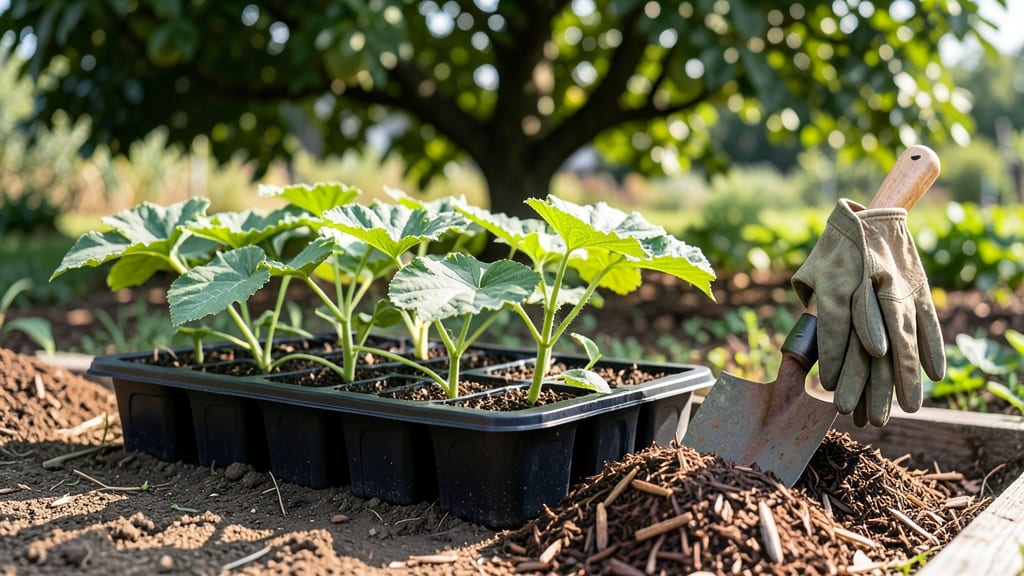
Plant cantaloupe in Oklahoma when soil temperatures hit 70°F and nighttime stays above 55°F—timing that aligns with April 15 to May 15 after the last frost. 🍈
Oklahoma’s unpredictable spring weather can turn cantaloupe planting into a gamble—too early and seeds rot, too late and vines bolt before fruiting. Mastering the soil temperature triggers that align with Oklahoma’s climate is the secret to bountiful harvests without the frustration.
In USDA Zones 6a-7b, the Panhandle’s drier heat lets you start a week earlier than the humid Southeast, where high humidity delays germination. Even a 5°F soil swing can mean the difference between fast sprouts and wasted seeds.
Below, I’ll break down the exact soil thermometer readings to watch, how to adjust for urban heat islands, and the fastest varieties that thrive in Oklahoma’s 90°F+ summers—no guesswork, just proven results.
Oklahoma’s ideal cantaloupe planting window: soil temperature rules for fast germination
Cantaloupes thrive in Oklahoma’s heat, but timing your planting is everything. The key to fast germination lies in soil temperatures—seeds won’t sprout until the ground reaches 55°F, but consistent growth requires 60°F+.
In Oklahoma’s varied climate, this means your planting window shifts dramatically between the Panhandle and the Southeast, sometimes by as much as 3 weeks. Ignore these thresholds, and you risk either soggy seeds or vines that bolt before fruiting.
Oklahoma spans USDA Zones 6b-8a, creating microclimates where last frost dates can differ by weeks. Rural areas in the Southeast (like Oklahoma City) typically see their last frost around March 25, while the Panhandle (Amarillo) may still experience frost until April 15.
Urban areas, with their concrete heat islands, can warm up faster—but also dry out quicker. This means your cantaloupe seeds might be ready to plant 2 weeks earlier in a city garden than in a rural field.
Here’s the hard truth: Soil temperature matters more than air temperature. A sunny 70°F day with 50°F soil will leave your seeds sitting in the dirt, while a cloudy 65°F day with 60°F soil could trigger germination.
Use a soil thermometer (just $10 at garden centers) to check depths of 1-2 inches—that’s where cantaloupe roots will first seek warmth. If your soil hasn’t hit 60°F by late April, wait. Patience here saves you from wasted seeds and disappointed vines.
Urban gardeners have an advantage: Black plastic mulch can raise soil temperatures by 10-15°F in just days. Lay it down 1-2 weeks before planting to create a microclimate that mimics Oklahoma’s rural areas’ summer conditions.
Rural growers, meanwhile, should aim for May 1 as their cutoff—after that, the risk of bolting (premature flowering) increases as days grow longer. Stagger your planting by 10-day intervals to extend your harvest window from July through August.
Don’t let Oklahoma’s unpredictable spring fool you—your cantaloupe seeds need consistent warmth, not just occasional sunshine. If you’re in the Panhandle, hold off until May 1 to avoid late frosts.
In the Southeast, you can plant as early as April 1, but use row covers for the first 2 weeks to protect tender seedlings.
Urban gardeners should test soil temps daily with a thermometer—55°F is the minimum for germination, but 60°F+ ensures those first leaves appear within 7-10 days.
Pro tip: Direct sowing is best for cantaloupes—they hate transplant shock. Drop seeds 1 inch deep and 2 feet apart in rows 4 feet apart to give vines
How to time cantaloupe planting in Oklahoma to avoid bolting (proven techniques)
Cantaloupes in Oklahoma demand precision timing to prevent bolting—when plants flower too early and produce bitter fruit. The key lies in soil warmth and humidity control, both of which vary dramatically across the state.
In my experience, even a 2-week delay can mean the difference between a thriving vine and a wasted effort. Let’s break down the proven techniques that work in my Oklahoma garden every year.
First, focus on soil temperature as your primary guide. Cantaloupe seeds won’t germinate reliably below 55°F, but for consistent growth, aim for 60°F+. Oklahoma’s Panhandle can hit these temps by early April, while Southeast Oklahoma often waits until late April or May.
I’ve learned to check soil temps with a thermometer—never guess! Planting too early risks rot, while waiting too long triggers bolting before fruiting.
⚠️ callout warning ⚠️
Oklahoma’s humidity spikes in late spring can confuse cantaloupe plants, causing them to bolt prematurely. Never bury seeds deeper than 1 inch—they need light to germinate. Also, avoid planting in low-lying areas where cool air pools, slowing soil warming. My first year, I lost half my plants by ignoring these warnings!
Pro Tip: Use a soil thermometer daily until germination. If temps drop below 55°F at night, cover seeds with row fabric temporarily.
To delay bolting, I swear by black plastic mulch. It warms the soil 3-5°F faster than bare ground, creating a microclimate perfect for cantaloupes. Lay the mulch 2 weeks before planting to let it heat up.
Pair this with heat-tolerant varieties like ‘Athena’ or ‘Hale’s Best’, which handle Oklahoma’s 90°F+ days without skipping fruiting. These varieties also resist powdery mildew, a common issue in our humid summers.
Staggered planting is another game-changer. Instead of one big batch, sow seeds every 2 weeks from late April through early May. This spreads your harvest over 4-6 weeks, reducing bolting risks and giving you fresh cantaloupes all summer.
I plant half my seeds in hills (3-4 seeds per mound) and the rest in raised beds for better drainage—both methods work, but hills warm faster in Oklahoma’s clay-heavy soils.
Watch for false starts—when seedlings sprout but then wilt from cool nights. If this happens, thin aggressively to leave only the strongest plants. Overcrowding stresses vines, making them more likely to bolt.
I also prune lower leaves to improve airflow, which cuts down on pests and fungal diseases that weaken plants. A healthy vine is less likely to bolt prematurely.
Finally, water wisely. Deep, morning watering keeps roots cool and consistent, while afternoon watering can stress plants. In Oklahoma’s dry spells, I use drip irrigation to deliver 1-2 inches of water weekly, avoiding wetting the leaves to prevent mildew.
Combine these techniques, and you’ll avoid bolting while enjoying sweet, ripe cantaloupes from July through August.