
Plants
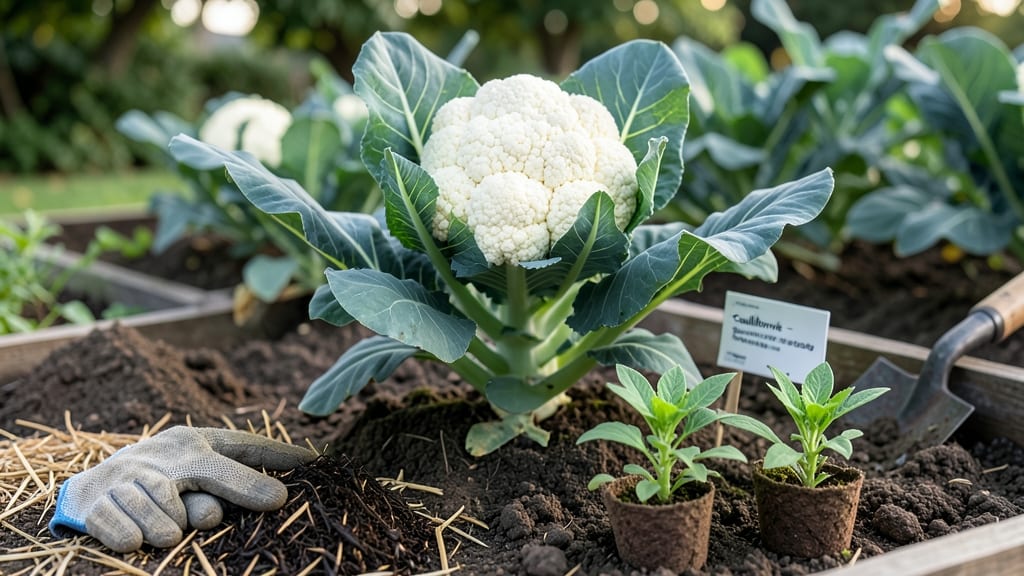
To plant cauliflower in Missouri, aim for March–April or August–early September—timing that avoids both early frosts and summer’s sweltering heat.
Missouri gardeners know timing is everything—and planting cauliflower at the wrong time can mean bitter disappointment instead of a bountiful harvest. Get the frost-free schedule right, and you’ll enjoy crisp, flavorful heads straight from your garden.
In Missouri’s USDA zones 5b–6b, spring plantings need to beat the April 15 average last frost, while fall crops must go in by early September to mature before the first frost hits around October 15.
Soil temperatures below 40°F can stall germination, so wait for the ground to warm.
Below, I’ll break down the exact planting windows for your region, soil prep tips to keep your 🥬 thriving, and how to stretch your harvest with simple tricks—so you’re not left with empty rows when your neighbors are feasting.
Missouri cauliflower planting calendar: best months by region
Cauliflower thrives in Missouri’s cool seasons, but the perfect planting window shifts dramatically depending on whether you’re in St. Louis, Kansas City, or northern Missouri. The key? Avoid late spring heat and early fall frosts—both can ruin your crop.
Let’s break down the best months for each region, including soil temperature and frost dates to maximize your harvest.
Missouri spans USDA zones 5b-6b, meaning last frost dates can vary by 2-3 weeks from north to south.
For example, Columbia typically sees its last frost around April 10, while Springfield holds off until April 15-20. Northern Missouri (like Kirksville) often waits until mid-April, while St. Louis gardeners can start as early as late March.
Here’s the critical rule: Soil must reach 40°F for seeds to germinate, but ideal germination happens at 50-60°F.
If you plant too early, seeds may rot; too late, and your plants bolt before forming heads. Fall planting is equally tricky—aim for late summer to harvest before first frost (usually mid-October in the north, early November in St. Louis).
For St. Louis gardeners, the best spring window is late March to early April, giving plants 60-70 days to mature before summer heat sets in. Fall planting should start by July 20 to harvest before late October frosts. Use row covers to extend your season if needed.
In Kansas City and northern Missouri, wait until mid-to-late April for spring planting—earlier starts risk late frosts. Fall planting is riskier here; aim for early August and monitor weather forecasts closely. Northern regions like Columbia can push fall planting to mid-August, but expect smaller heads if frost arrives early.
Pro tip: Direct sow seeds in well-draining soil with a pH of 6.0-7.0. Add compost to improve Missouri’s clay-heavy soils, and mulch to retain moisture. Transplanting seedlings? Do it on a cloudy day to reduce stress.
Missouri’s microclimates mean your neighbor’s perfect harvest might fail in your garden. Track local frost dates (check the Missouri State Climate Office), and adjust your schedule by 1-2 weeks if needed. Fall varieties like ‘Snowball Y Improved’ tolerate cooler temps better than ‘Purple of Sicily’, which bolts faster in heat.
Remember: Cauliflower hates heat. If your plants start bolting (sending up tall stems), they’re stressed. Shade cloth
How to extend your cauliflower season in Missouri’s unpredictable climate
Missouri’s unpredictable spring frosts and sweltering summer heat can make growing cauliflower feel like a gamble. But with the right strategies, you can extend your harvest window by weeks—even months!
The key is timing your plants to avoid extreme temperatures while maximizing your garden’s potential. I’ve learned that early starts and late-season protection are non-negotiable for success in our climate.
For spring plantings, the goal is to get seeds in the ground 4-6 weeks before your last frost date—typically by early March in southern Missouri or late March in the north.
But if you’re eager to start even earlier, cold frames or row covers can give you a head start. These simple tools create a microclimate that shields tender seedlings from late frosts while warming the soil faster.
I’ve had great luck with hoop houses covered in frost cloth, which can raise soil temps by 5-10°F.
- Start seeds indoors 6-8 weeks before last frost (February for southern MO, March for north). Use grow lights for 12-14 hours/day to prevent leggy seedlings.
- Hardening off seedlings for 7-10 days before transplanting—acclimate them to outdoor temps gradually to avoid shock.
- Use cold frames for early starts: place frames over seedbeds in late winter to warm soil and protect seedlings from 28°F+ frosts.
- Plant fall crops by August 1st for a late-season harvest. Choose fast-maturing varieties (60-70 days) to beat the first frost.
- Protect young plants with floating row covers during late spring frosts (common in April) or heatwaves (July-August).
- Mulch heavily with straw or grass clippings to retain moisture and regulate soil temps during extreme weather.
Fall planting is where Missouri gardeners often miss the boat. Many rush to plant too late, only to watch their cauliflower bolt or rot before harvest. The secret? Plant by early August—this gives your crop 90-100 days to mature before the first frost.
I swear by ‘Snowball Y Improved’ for fall, as it tolerates cooler temps better than most varieties. For extra insurance, plant in raised beds—they warm up faster in spring and drain better in our clay-heavy soils.
Don’t underestimate the power of shade cloth during summer’s 90°F+ heatwaves. A 30-50% shade cloth can drop temps by 10-15°F and prevent bolting (when cauliflower flowers prematurely). I’ve seen plants double their head size when protected from midday sun.
Pair this with daily watering in the morning to keep soil consistently moist—drought stress is the #1 cause of poor yields in Missouri’s summers.
For late-season protection, I recommend low tunnels made from PVC pipes and row cover fabric. These can extend harvest by 2-3 weeks by trapping heat during the day and insulating at night.
Just remember to ventilate on warm days to prevent fungal diseases like downy mildew. And always remove covers during harvest—cauliflower heads need full sun to develop properly.
Finally, choose Missouri-adapted varieties like ‘Chef’s Choice’ (70 days, heat-tolerant) or ‘Purple of Sicily’ (75 days, bolt-resistant). These perform better than northern varieties in our humid, hot summers.
And if you’re feeling ambitious, try succession planting: sow a few seeds every 2 weeks in spring for a staggered harvest that lasts all summer.