
Plants
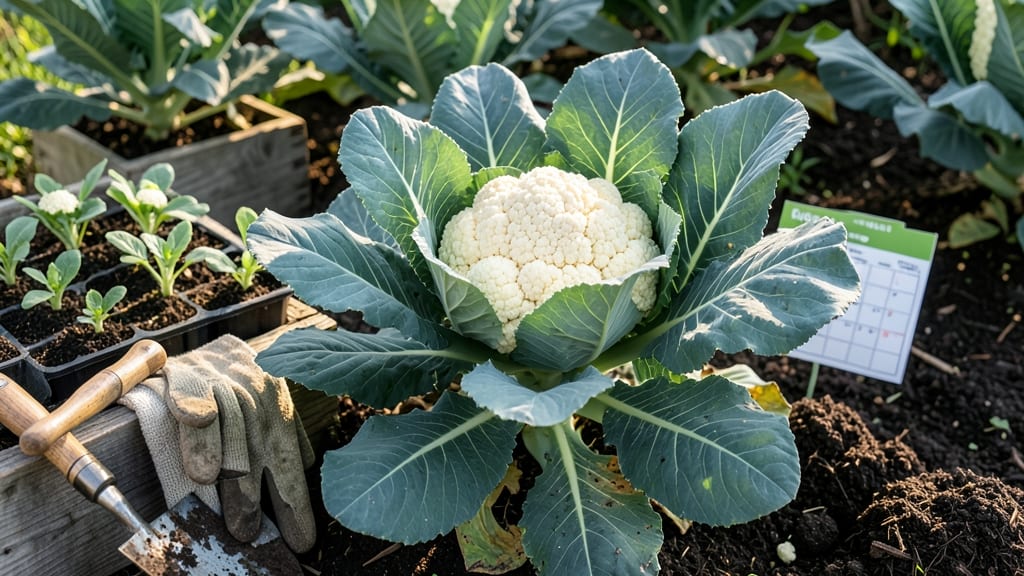
To plant cauliflower in Ohio, aim for late March to early May for spring or late July to early August for fall, aligning with frost dates and soil warmth.
Ohio’s unpredictable spring weather can make or break your cauliflower harvest—but timing is everything. Plant too early, and frost will ruin your crop; too late, and summer heat will turn your heads into bitter, inedible nubs.
This cold-hardy veggie thrives in Ohio’s USDA Zone 6a, but it needs the right window. Spring starts 6–8 weeks before the last frost (around April 15), while fall varieties must go in by early August to mature before frost hits in October.
Below, I’ll break down the exact schedule, variety picks, and pro tips to ensure your 🥬 grows lush and ready for harvest—whether you’re planting in March or July.
Ohio’s best planting windows for cauliflower: cold-hardy vs. heat-tolerant varieties
Ohio gardeners know that cauliflower thrives on precise timing—miss the window, and you’ll end up with bolting plants or bitter heads. The Buckeye State’s USDA zones 5-7 offer two distinct planting opportunities: a cool-season spring window and a heat-tolerant summer window.
Each requires different variety choices and soil conditions to succeed.
Spring planting relies on cold-hardy varieties that tolerate Ohio’s late frosts (often until mid-April in most regions). Meanwhile, summer planting targets heat-tolerant types that mature before fall frosts hit in mid-October. Many Ohio growers plant both for a double harvest—here’s how to master both windows.
Soil temperature is your best guide: cauliflower seeds need 40-50°F soil to germinate, while seedlings thrive in 60-70°F air temps. Use a soil thermometer to avoid delays—especially in Ohio’s variable spring when cold snaps linger.
For spring planting, start seeds indoors 6-8 weeks before your last frost (typically late March). Transplant 2-3 weeks before frost when soil warms to 50°F. For summer planting, sow seeds directly outdoors in late July for a fall harvest before winter sets in.
| Planting Window | Ideal Months | Soil Temp (°F) | Variety Type | Days to Maturity | Key Considerations |
|---|---|---|---|---|---|
| Spring | Late March–Early May | 40–50°F (germination) | Cold-Hardy | 60–80 days | Start indoors; protect from frost |
| Summer | Late July–Early August | 60–70°F (transplant) | Heat-Tolerant | 50–70 days | Direct sow; shade cloth for heat |
Ohio’s USDA zones 5-7 mean your last frost date varies—from April 15 in southern Ohio to May 1 in northern zones. Use the Ohio State Extension’s frost map to adjust timing.
For spring planting, prioritize ‘Snowball Y Improved’ or ‘Purple of Sicily’, which handle light frosts better than standard varieties.
For summer planting, choose heat-tolerant varieties like ‘Cheddar’ or ‘Romanesco’, which resist bolting in Ohio’s 90°F+ summers. These types mature faster (50–70 days) to escape fall frosts. Direct sow in late July for best results—avoid transplanting in heat, which stresses seedlings.
Many Ohio gardeners swear by double cropping for maximum yield: plant cold-hardy varieties in spring and heat-tolerant types in summer. This strategy stretches your harvest from July to November, beating Ohio’s short growing season.
Just ensure your soil stays rich—cauliflower is a heavy feeder and needs compost or aged manure before planting.
Protect your spring seedlings with row covers if frost threatens after transplanting. For summer crops, use shade cloth (30–50%) to prevent bolting during heatwaves. Ohio’s humidity also demands good air circulation—space plants 18–24 inches apart to avoid disease.
Timing isn’t just about dates—it’s about microclimates. Gardens near Lake Erie stay cooler longer, while inland areas warm faster. Monitor NOAA forecasts and adjust your planting schedule accordingly. With the right varieties and soil prep, Ohio’s two planting windows can deliver two bountiful harvests each year.
How to adjust planting dates for Ohio’s microclimates & frost risks
Ohio’s diverse geography means frost risks vary dramatically—from the Lake Erie region’s late springs to the Appalachian foothills’ early frosts. Even within USDA Zone 6a, your cauliflower’s survival depends on local patterns.
For example, Toledo’s last frost averages April 15, while Columbus sees it 2 weeks later. Use these microclimate adjustments to protect your seedlings.
Start by checking NOAA’s Frost Probability Maps for your county. These tools show 10% frost risk dates, which are ideal for transplanting cold-hardy varieties like ‘Snowball Y Improved’.
Bookmark Ohio State Extension’s Planting Calendar—it updates frost dates annually. For Lake Erie areas, delay planting by 10-14 days compared to inland zones.
⚠️ WARNING: Late Frost Traps ⚠️
- Row covers raise soil temps by 3-5°F—essential for 30-45 days post-transplant.
- Black plastic mulch warms soil 5-7°F faster than bare earth. Lay it 2 weeks before planting.
- Cold frames extend the season by 4-6 weeks in high-risk zones like Southeastern Ohio.
For fall plantings, aim for July 20–August 10 in most of Ohio, but adjust for elevation. In Appalachian regions (e.g., Athens), plant 2 weeks earlier to avoid early October frosts. Use heat-tolerant varieties like ‘Cheddar’, which handle 85°F+ better than standard types.
Create a personalized frost checklist: ☑️ Check NOAA’s 30-day forecast 2 weeks before transplanting ☑️ Test soil temps at 2-inch depth daily for 5 days ☑️ Have row covers and circulation fans ready for 24–48 hour frost watches ☑️ Plant succession crops every 2 weeks to stagger harvests and reduce frost risk
If a late frost warning hits, act fast:
- Cover seedlings with frost cloth by 6 PM the night before
- Use string lights or heat lamps to raise temps 5°F+ around plants
- Water container-grown plants to absorb and release heat slowly
- Accept that some losses are normal—focus on protecting 50% of seedlings for a strong harvest
Ohio’s fall harvest window closes by October 15 in most areas, but Northern Ohio may see frosts as early as September 30. Time your last planting to yield 80-day varieties by mid-October. For extended fall harvests, try ‘Graffiti’ or ‘Romanesco’—their 70-day maturity fits tighter schedules.