
Plants
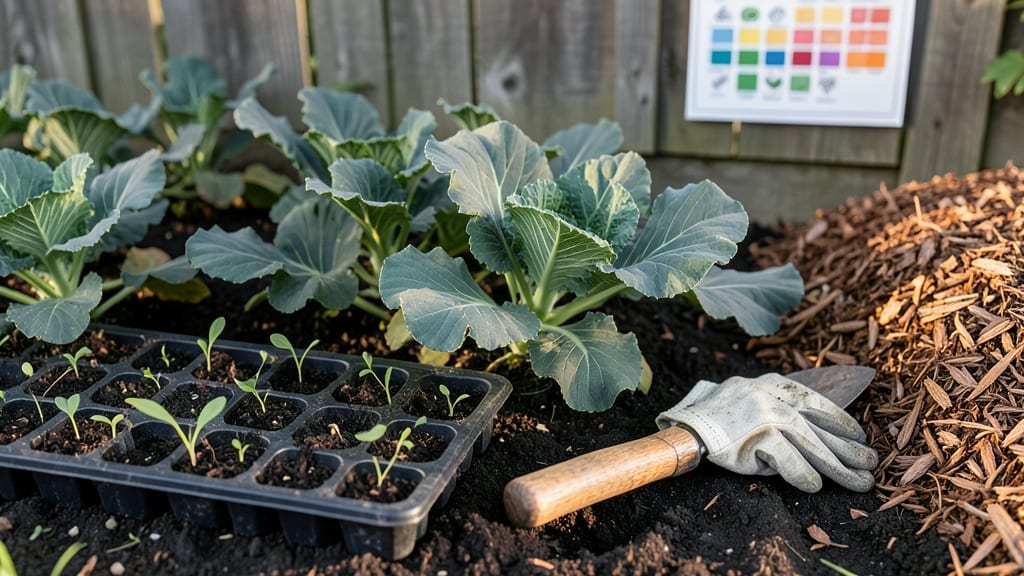
Planting cauliflower in Zone 7 means timing your spring and fall windows to avoid the heat that sends it bolting 🥬—or worse, rotting in the ground before it even forms a head.
You’ve probably heard that cool weather is key, but in Zone 7, "cool" is a moving target. Plant too early, and frost will nip your seedlings. Too late, and the summer sun turns your future heads into bitter, leafy messes.
The 30-day window between March and April (or August and September) is your sweet spot—but only if you prep the soil right.
Here’s the game-changer: most gardeners in Zone 7 focus only on spring, missing the second harvest opportunity in late summer. With the right tricks—like shade cloth and succession planting—you can stretch your season and double your yield without the guesswork.
Below, I’ll break down the exact dates, soil tricks, and heat hacks to keep your cauliflower happy from seed to harvest, so you’re not left with empty garden beds or store-bought heads in June.
Best planting windows for cauliflower in Zone 7 (with temperature guidelines)
Cauliflower in Zone 7 grows best when planted during cool-season windows—either early spring or late summer. Missing these windows risks bolting (premature flowering) or stunted growth from heat stress. The key is aligning your planting with soil temperatures (ideal: 45–75°F) and frost-free periods.
In Zone 7, the average last frost date is around March 15, while the first frost typically arrives by November 15. These dates create two prime planting opportunities: March–April for spring harvests and August–September for fall harvests.
Below, we break down the optimal timing, temperature thresholds, and best methods for transplants vs. direct sowing.
⚠️ CRITICAL NOTE: Cauliflower hates heat. If temperatures rise above 80°F for prolonged periods, plants bolt or produce small, bitter heads. Zone 7’s summer heat makes late-summer planting a gamble—success depends on shade cloth or quick-maturing varieties.
For spring planting, aim to transplant 4–6 weeks before your last frost date (typically mid-February to early March in Zone 7). Start seeds indoors 6–8 weeks earlier if using transplants.
Soil should be workable but not frozen, and air temps should stay below 75°F during the day to prevent bolting.
If you prefer fall harvests, plant 8–10 weeks before the first frost (usually late July to early August).
Use shade cloth (30–50%) if daytime temps creep above 80°F. Direct sowing in late summer is riskier but can work with quick-maturing varieties like 'Purple of Sicily' (harvests in 60 days).
Pro tip: Use a soil thermometer to monitor temps. Cauliflower roots thrive in 55–65°F soil. If
How to extend your cauliflower season in Zone 7 (tips for success)
Zone 7 gardeners know that cauliflower loves cool weather, but our hot summer spells can turn your plants bitter or cause them to bolt. The key to a longer harvest? Smart planning and a few simple tricks.
By using succession planting, shade protection, and soil prep, you can enjoy fresh heads well into fall—and even squeeze in a late-summer crop! The secret lies in working with your climate, not against it.
First, extend your growing season by planting in two strategic windows: early spring (March-April) and late summer (August-September). This gives you two harvests instead of one. For spring, start seeds indoors 6-8 weeks before your last frost date (around March 15 in Zone 7).
For fall, transplant 8-10 weeks before the first frost (November 15), allowing time for heads to mature before cold sets in.
- 🌱 Start with succession planting: Sow seeds every 2 weeks from March to May for staggered harvests. Use shade cloth (30-50%) to protect seedlings from heat stress during hot spells.
- 🌡️ Monitor soil temps: Cauliflower thrives in 60-70°F soil. Use a soil thermometer to avoid planting when temps exceed 80°F, which triggers bolting.
- 💧 Water deeply and consistently: Keep soil moist but not soggy, especially during head formation. Drip irrigation prevents leaf burn from overhead watering.
- 🪴 Use mulch to regulate temps: Apply 2-3 inches of straw around plants to keep roots cool and retain moisture. Replenish mulch every 4-6 weeks.
- ✂️ Prune lower leaves: Remove yellowing or diseased leaves to improve airflow and reduce pest risks. Focus on leaves touching the soil to prevent rot.
Don’t let Zone 7’s heat spikes ruin your cauliflower dreams! If temps climb above 85°F, your plants will bolt—meaning they’ll send up a flower stalk instead of forming a head. To prevent this, install shade cloth (30-50% shade) over seedlings during peak afternoon sun.
You can also plant in partial shade under taller crops like corn or sunflowers, which provide natural shade. Just ensure they still get at least 4-6 hours of sunlight daily.
Another game-changer? Soil preparation. Cauliflower craves rich, well-draining soil with a pH of 6.0-7.0. Before planting, amend your soil with compost or aged manure and a balanced fertilizer (5-10-10). For fall crops, add a slow-release fertilizer at planting to fuel growth as days shorten.
Test your soil in early spring and fall to adjust nutrients as needed—this small step can double your yield!
Finally, pest control is critical for extending your season. Cabbage worms and aphids love cauliflower, but you can deter them with row covers or neem oil sprays. Check plants weekly for signs of pests, especially on the undersides of leaves.
If you spot holes or chewed edges, act fast—handpick larvae or introduce beneficial nematodes to keep populations in check.
With these tips, you’ll enjoy crisp, flavorful cauliflower well into fall—and maybe even a bonus crop in late summer! The key is adapting to Zone 7’s climate rather than fighting it. Happy growing! 🌱