
Plants
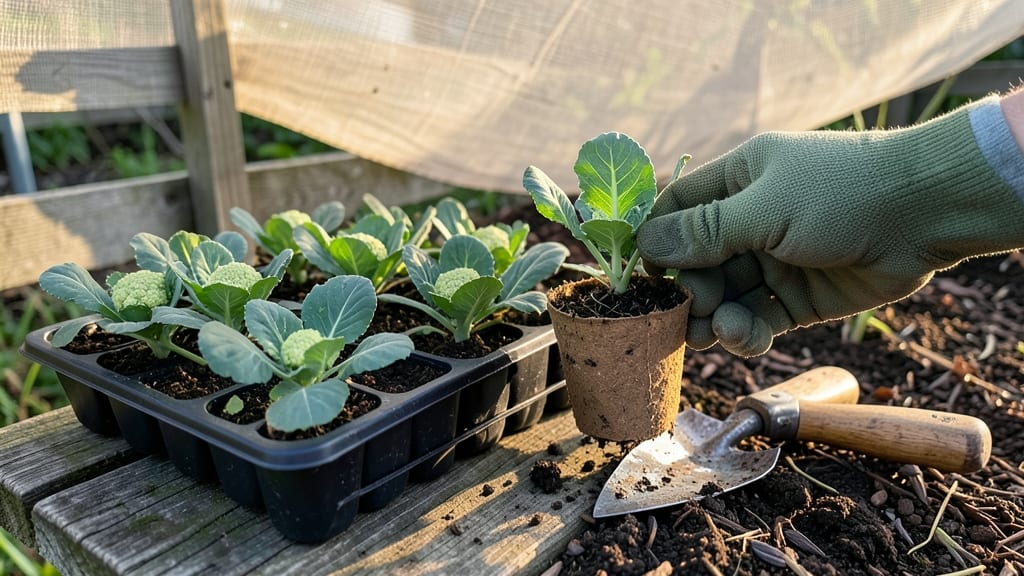
To plant cauliflower in Zone 9b, aim for late September through early November or January to February—timing that dodges the brutal summer heat while catching the sweet spot for cool-season growth.
Growing 🥬 in Zone 9b’s desert climate is a high-stakes game: plant too early, and the heat will send your heads bolting before they form; too late, and you’ll miss the harvest window entirely. I’ve seen both mistakes firsthand—here’s how to get it right.
The key is leveraging the cooler months when daytime temps stay below 75°F and nights dip into the 50s. That means fall planting for a spring harvest or early winter starts for a summer crop, with shade cloth as your secret weapon against unexpected heat spikes.
Below, I’ll walk you through the exact months to plant, how to prep your soil for Zone 9b’s sandy or rocky conditions, and the three heat-tolerant varieties that actually thrive here—no guesswork, just proven results.
Best planting months for cauliflower in Zone 9b: heat tolerance secrets
Cauliflower thrives in cool temperatures but struggles with Zone 9b’s summer heat. The key to success? Planting during fall or early winter when nights dip below 65°F.
Heat above 75°F causes bolting—when your plant skips head formation and flowers instead. Let’s break down the perfect planting windows to avoid this common pitfall.
Zone 9b’s microclimates (like Phoenix or coastal areas) add complexity. Desert regions have hotter days but cooler nights, while coastal areas stay milder year-round. Your goal: time planting for 50-60°F nighttime temps—ideal for head development.
Miss this window, and you’ll either bake your plants or harvest too late in the season.
Here’s your foolproof planting calendar for Zone 9b, including exact dates for both direct sowing and transplanting to maximize yields.
For fall planting, aim for late September to early November. This gives your plants 8-10 weeks of cool weather to form heads before summer heat returns.
Start seeds indoors 6-8 weeks before transplanting or buy 6-week-old seedlings from nurseries. If direct sowing, use shade cloth to protect young seedlings from afternoon sun.
Winter planting in January or February is riskier but can yield summer harvests. Begin seeds indoors in December and transplant after February 1st when soil temps drop below 70°F.
Use black plastic mulch to warm soil faster and deter weeds. Avoid planting after February 15th—days lengthen, and bolting becomes likely.
Zone 9b’s heat tolerance threshold is 75°F for daytime temps. Exceed this, and your cauliflower will bolt (send up flower stalks). To delay bolting, provide afternoon shade with 30-50% shade cloth during May-June. Water deeply every 2-3 days to keep soil consistently moist—drought stress accelerates bolting.
Pro tip: Succession plant every 2-3 weeks in fall for staggered harvests. For example, sow half your seeds in late September and the rest in mid-October. This ensures you’re harvesting heads over March-May instead of one massive crop that bolts all at once.
If you miss the fall window, don’t despair—winter planting can still work. Choose heat-tolerant varieties like 'Graffiti' or 'Purple of Sicily', which handle slightly warmer temps better than standard types. Just be prepared to hand-pollinate if flowers appear, as Zone 9b’s heat can reduce natural pollination.
Remember: Soil temperature matters more than air temperature. Use a soil thermometer to confirm temps are below 70°F before planting. If soil stays warm, delay until nights consistently drop below 65°F. Patience here prevents wasted effort—and no one wants to watch their cauliflower heads turn to flowers!
With these timing secrets, you’ll avoid the #1 Zone 9b cauliflower mistake: planting too early and ending up with bitter, bolted plants. Stick to the calendar, protect your plants from heat, and you’ll enjoy crisp, flavorful heads all season long. Happy gardening! 🥬
How to extend your cauliflower growing season in Zone 9b: cooling tricks
Zone 9b’s summer heat can turn your cauliflower dreams into bolting disasters, but with the right cooling tricks, you can keep your plants thriving. The key is creating microclimates that mimic cooler conditions while protecting your plants from heat stress and premature flowering.
Start by focusing on shade solutions and soil moisture, as these two factors make the biggest difference in this climate.
I’ve grown cauliflower in Phoenix for years, and the difference between a failed crop and a bountiful harvest often comes down to these simple adjustments. Shade cloth isn’t just a band-aid—it’s a game-changer for extending your growing window.
Pair it with succession planting and companion plants, and you’ll have cauliflower heads forming when others are giving up.
- 🌡️ Use 30-50% shade cloth during peak sun (10 AM–4 PM) to keep soil temps below 80°F.
- 💧 Mulch with 3-4 inches of straw or wood chips to retain moisture and cool roots.
- 🌿 Plant near tall crops (e.g., sunflowers, corn) to create natural shade in afternoon hours.
- ⏰ Succession plant every 3 weeks from September–November for staggered harvests.
- 🌱 Companion with dill, thyme, or beans to improve soil structure and deter pests.
Let’s start with shade cloth, which is my top recommendation for Zone 9b gardeners. A 30-50% shade cloth reduces sunlight by 30-50%, lowering soil temperatures by up to 15°F. Install it over your cauliflower beds using a simple hoop system or stakes.
For extra protection, add a second layer of 20% shade cloth during the hottest weeks of summer. This two-tier approach keeps your plants cool without stunting growth.
Don’t overlook soil moisture management, either. Cauliflower roots need consistent moisture, but overwatering can lead to rot in the heat. Instead, aim for deep, infrequent watering—about 1-2 gallons per plant every 2-3 days.
Water in the early morning to reduce evaporation and fungal risks. Pair this with mulching (straw or wood chips work best) to lock in moisture and keep roots cool.
For succession planting, stagger your cauliflower sowings every 3 weeks from late September through November. This ensures a continuous harvest window from December to May. Choose heat-tolerant varieties like ‘Graffiti’ or ‘Purple of Sicily’ for better resilience.
Pair your cauliflower with companion plants like dill, thyme, or beans—they improve soil health and deter pests, giving your cauliflower an extra boost.
Finally, monitor your plants for signs of heat stress, like yellowing leaves or small, loose heads. If you see these, act fast: increase shade, water more frequently, and consider moving potted plants to a cooler spot.
With these tricks, you’ll enjoy homegrown cauliflower even in Zone 9b’s toughest heat! 🌱