
Plants
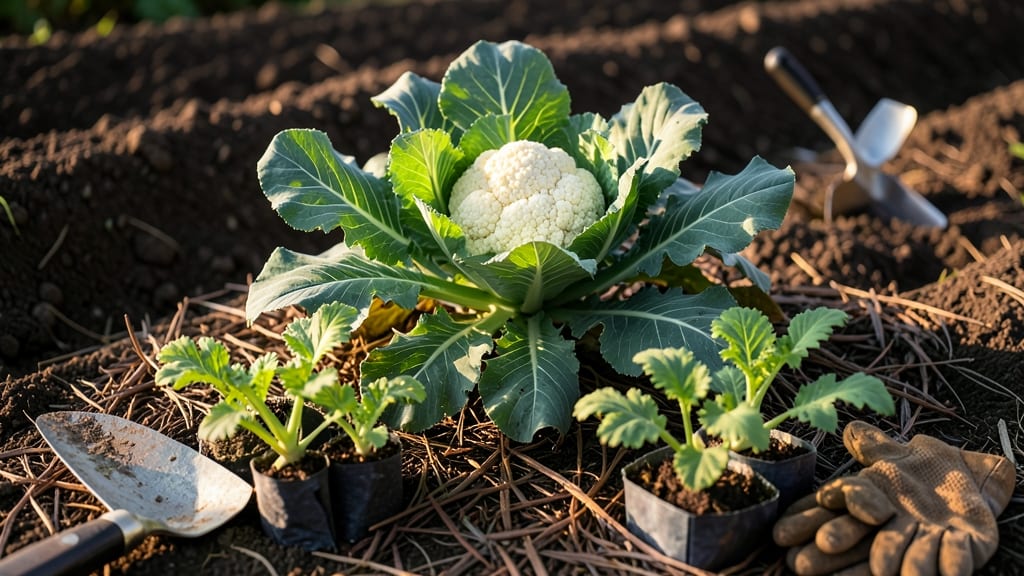
Planting cauliflower in Texas means timing it perfectly to avoid bolting from the heat—aim for late August to early September for fall harvests or February to early March for spring.
Texas gardeners know 🥬 cauliflower is a finicky crop—too much heat, and it bolts before you get a single head. But with the right timing, you can grow crisp, flavorful cauliflower even in the Lone Star State’s scorching summers.
The key is working with Texas’ unique microclimates: North Texas has a shorter growing window than South Texas, where warmer winters allow for earlier spring plantings. Whether you’re in USDA Zone 8a or 10b, the goal is to keep plants cool during critical growth stages.
Below, I’ll break down the exact planting windows, heat-smart strategies, and variety choices that make cauliflower thrive in Texas—no guesswork required.
Best planting windows for Texas cauliflower to avoid bolting
Texas gardeners know cauliflower thrives in cool weather, but our long summers make timing everything. Plant too early, and heat stresses seedlings. Wait too long, and you miss the fall harvest window.
The key is strategic scheduling that aligns with your Texas region's microclimate—whether you're in North Texas' cooler hills or South Texas' humid lowlands.
Cauliflower's ideal growing temperature range is 60-75°F, but it bolts when soil temps hit 80°F+. In Texas, this means fall planting is your best bet, with a secondary window in early spring.
The difference between success and failure often comes down to planting 4-6 weeks before your first frost—a date that varies dramatically across the state.
Here’s how to pinpoint your perfect planting window using Texas’ three distinct regions:
For North Texas gardeners, the fall window closes fast—plant by early September to avoid heat stress. In Central Texas, aim for mid-September to give plants time to establish before winter.
Meanwhile, South Texas gardeners can push planting into October thanks to milder winters, but be prepared for humidity challenges that increase disease risk.
Don’t overlook spring planting, though it’s riskier. Start seeds indoors by February (North Texas) or March (South Texas) and transplant 6-8 weeks before last frost. Use shade cloth to protect young plants from spring heat spikes, which can sneak up quickly in Texas.
Pro tip: Extend your growing season by planting cool-season companions like broccoli, cabbage, or lettuce alongside cauliflower. These crops share similar temperature preferences and can help moderate soil temps while suppressing weeds. Plus, they create a microclimate that keeps cauliflower heads tighter and more flavorful.
One common mistake? Planting too late in fall and hoping for a winter harvest. Cauliflower needs 60-70 days of cool weather to form heads. If you plant in October in North Texas, you’ll likely get small, bitter heads before winter sets in.
Instead, focus on early fall and late winter windows for the best results.
For container gardening, adjust your timeline by 2-3 weeks earlier—pots heat up faster and dry out quicker. Place containers in partial shade during peak afternoon sun (2 PM - 6 PM) to prevent bolting. And always use well-draining soil mixed with compost to retain moisture without waterlogging.
Remember: Texas heat is your enemy, but with the right timing, you can outsmart it. The fall window is your golden opportunity—don’t miss it! 🌱
How Texas heat affects cauliflower growth and how to mitigate it
Texas summers are notorious for pushing cauliflower plants into a heat-induced bolting frenzy, where they flower prematurely instead of forming heads. The ideal growing temperature for cauliflower is between 60-70°F, but Texas often hits 90°F+ during peak growing months.
This stress forces plants to prioritize reproduction over head development, leaving gardeners with bitter, stringy stalks instead of crisp curds.
Even if you nail the planting window for fall or spring, soil temperature plays a critical role. When soil exceeds 75°F, root development stalls, and nutrient uptake suffers. Combine this with low humidity common in Texas, and you’ve got a recipe for stunted growth and poor head formation.
The key is understanding how to modify your growing environment to keep cauliflower cool and thriving.
⚠️ WARNING: Texas Heat Triggers Bolting
Cauliflower plants exposed to consistent temps above 80°F for more than 3-5 days will bolt within 10-14 days. This is irreversible—no amount of shade or water will stop the process once triggered. South Texas gardens face this risk year-round, while North Texas has a slightly longer window in late spring/early summer.
One of the most effective heat mitigation strategies is using shade cloth with a 30-50% block rate. I’ve had success with agricultural shade netting draped over hoop houses or trellises, reducing soil temps by 10-15°F during peak afternoon heat.
For container gardens, opt for white or light-colored pots—they reflect up to 30% more sunlight than dark containers, keeping roots cooler.
Don’t overlook the power of mulching. A 4-inch layer of straw or wood chips keeps soil temps 5-10°F cooler than bare ground.
I’ve seen dramatic improvements in head size when using black plastic mulch combined with drip irrigation—this setup maintains even moisture while reflecting heat away from the plant. Pair this with daily watering in the early morning to prevent wilting, which further stresses the plant.
Variety selection makes a huge difference in Texas gardens. Traditional varieties like 'Snowball Y Improved' struggle in heat, but heat-tolerant hybrids such as 'Cheddar' or 'Graffiti' (with its purple-tinged heads) perform better.
These varieties have bolting resistance traits bred in, allowing them to handle short heat spikes without flowering prematurely. For extreme climates, consider broccoli-raab hybrids, which are more heat-tolerant than pure cauliflower.
Finally, soil management is non-negotiable. Amend your beds with organic matter like compost or aged manure to improve water retention. I’ve found that raising beds 6-12 inches high helps with drainage and prevents soil from baking in the sun.
Add a slow-release fertilizer at planting to avoid nitrogen spikes that can trigger bolting. With these adjustments, you can coax crisp, market-ready heads even in Texas’ brutal summers.