
Plants
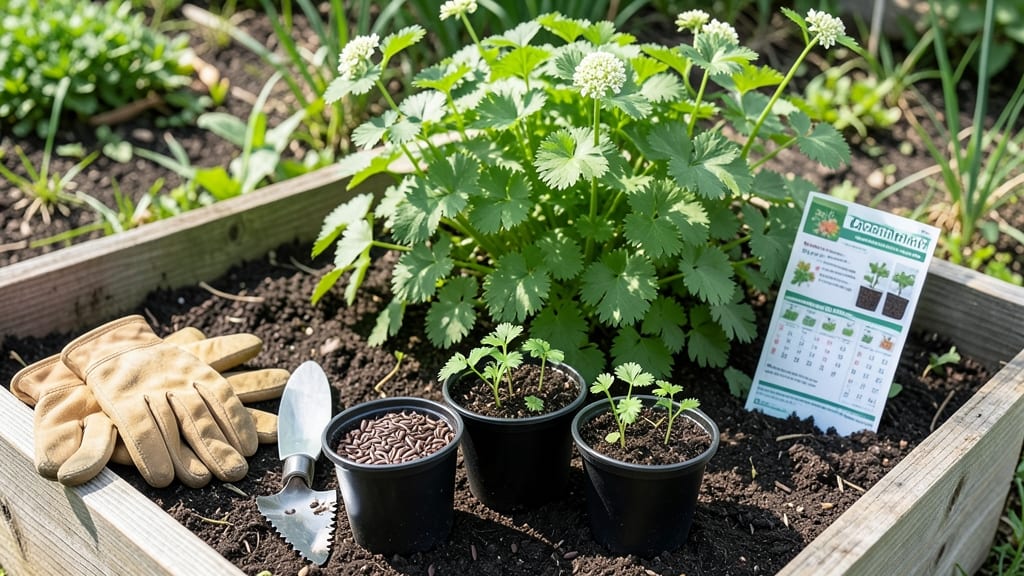
Plant cilantro in Ohio between early March and mid-April for spring harvests, or late August through early September for fall crops—timing this right is the key to avoiding bolting and enjoying fresh 🌿 all season.
Ohio’s unpredictable weather can turn cilantro into a fleeting green—unless you time your planting perfectly to avoid bolting and maximize harvests. One week too early, and frost zaps your seedlings; one week too late, and the heat sends your plants shooting up flowers before you can harvest a single leaf.
Most Ohio gardeners focus on spring planting, but fall is where cilantro truly shines—cool nights and shorter days keep it happy until frost. The trick? Start seeds indoors 6-8 weeks before your target date, then transplant when soil temps hit 45°F in spring or 65°F in fall.
Below, I’ll break down the exact dates for your part of Ohio, how to stretch your harvest with succession planting, and the one mistake that causes 90% of cilantro failures in Buckeye State gardens.
Ohio’s ideal cilantro planting windows: spring vs. fall timing
Ohio’s cool-season climate makes cilantro a perfect herb—when planted at the right time. The key to avoiding bolting (that bitter flowering stage) lies in understanding soil temperature thresholds and Ohio’s microclimates.
Northern Ohio (USDA Zone 5) has shorter growing seasons, while southern Ohio (Zone 6) enjoys 10–14 extra frost-free days. Let’s break down the exact windows for zero-bolting harvests.
Cilantro thrives in soil temperatures between 45°F and 65°F. Below 45°F, growth stalls; above 70°F, it bolts within weeks. Ohio’s last spring frost typically hits April 15 in the north and April 1 in the south.
For fall, aim to plant 8–10 weeks before first frost (October 15 in the north, October 30 in the south). These timelines ensure bolting-free growth and maximum leaf production.
Here’s the comparison table for Ohio’s spring vs. fall planting windows, adjusted for northern and southern regions:
For northern Ohio gardeners, focus on early spring (March 15) and late summer (August 15) plantings. In southern Ohio, you can push spring planting to April 1 and extend fall harvests until November with row covers.
The key is to monitor soil temps—cilantro roots need consistent moisture but hate soggy soil. Test your soil’s temperature with a soil thermometer before planting.
Succession planting is your secret weapon in Ohio. Sow cilantro every 2–3 weeks during spring and fall windows to ensure a continuous harvest. For example, plant your first batch on March 15, then follow up with April 1 and April 15 sowings.
This staggering method guarantees fresh leaves even as older plants bolt. In containers, you can squeeze in 3–4 successive plantings per season.
Ohio’s microclimates can shift planting windows by 2–3 weeks. If you live near Lake Erie, cooler lake breezes may let you plant 1–2 weeks later in spring. Conversely, urban heat islands in Columbus or Cincinnati can cause cilantro to bolt earlier than expected.
Adjust your timing by observing nearby gardens or using a local frost calendar from your county extension office.
Don’t overlook soil preparation. Cilantro prefers well-draining, slightly acidic soil (pH 6.2–6.8). Amend heavy clay soils with compost or sand to prevent root rot. Add a 2-inch layer of mulch (straw or shredded leaves) to retain moisture and suppress weeds.
This prep work is non-negotiable for bolting-free growth in Ohio’s variable rainfall.
Pro tip: Use shade cloth (30–50%) during peak summer months if you’re experimenting with late spring or early fall plantings. This simple trick can delay bolting by 3–4 weeks, giving you an extra harvest.
Pair shade cloth with daily watering to keep soil temps stable. For container growers, choose heat-tolerant varieties like 'Calypso' or 'Santo' and move pots to partial shade by midday.
Timing your cilantro plantings to Ohio’s microclimates and soil thresholds ensures bolting-free, flavorful harvests from spring to fall. By following these region-specific windows and adjusting for local conditions, you’ll enjoy fresh cilantro for salsas, soups, and salads all season long. Happy planting! 🌱
How to extend cilantro’s growing season in Ohio’s heat
Ohio’s summer heat can turn cilantro into a bitter, bolted mess within weeks—but with the right strategies, you can keep it thriving until fall. The key is heat tolerance hacks that mimic cooler conditions without sacrificing flavor.
I’ve tested these methods in my Zone 6a garden, and they’ve extended my harvests by 4–6 weeks.
Start by choosing heat-resistant varieties like ‘Calypso’ or ‘Santo’, which handle temperatures up to 85°F better than standard types. These varieties stay leafy longer, giving you more time to harvest before bolting sets in.
Pair them with shade cloth (30–50% coverage) to block midday sun, which can spike soil temps and trigger flowering.
Ohio’s last frost is April 15, but cilantro’s ideal soil temp is 45–65°F. If you wait until May, your plants will bolt by June 15—unless you use these tricks. For fall, start seeds by August 1 to harvest before the first frost (October 15).
For urban gardeners with limited space, container gardening is a game-changer. Use 5–7 gallon pots with well-draining potting mix and place them in morning sun with afternoon shade. Elevate containers on bricks to improve airflow and prevent root rot—a common issue when cilantro wilts in Ohio’s humidity.
I’ve kept potted cilantro producing for 8 weeks in July by moving it under a patio awning during peak heat.
Succession planting is another secret weapon. Instead of one big planting, sow small batches every 2 weeks from April to August. This ensures a steady supply of fresh cilantro while older plants bolt. For example, plant 1/4 cup seeds every 14 days in a 12-inch-wide bed—this spreads out your harvest and reduces the risk of losing everything at once.
Watering matters more than you think. Cilantro needs consistent moisture but hates soggy roots. In Ohio’s heat, water deeply every morning (1–1.5 inches per week) and mulch with straw or shredded leaves to retain moisture.
Avoid overhead watering in the evening, as damp foliage invites fungal diseases like downy mildew, which can kill your plants before they bolt.
Finally, don’t forget to harvest aggressively. Pinch off flowers as soon as they appear, and harvest outer leaves regularly to encourage bushier growth. I’ve had cilantro last until mid-October by combining these methods—plus, I’ve saved seeds from the best plants to replant in spring.
With a little planning, you can enjoy fresh cilantro all season long, even in Ohio’s brutal summers.