
Plants
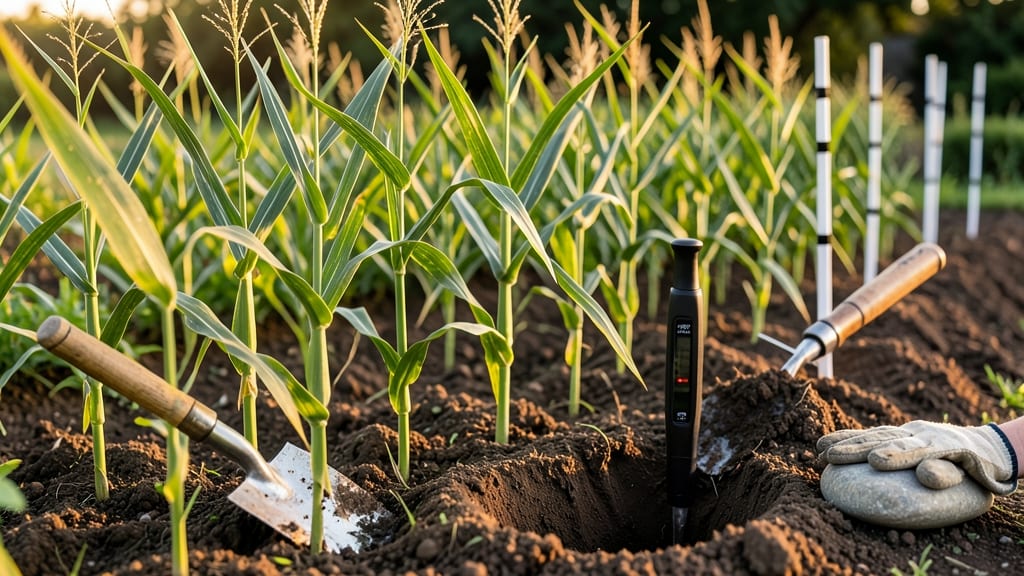
Plant corn in Zone 5b after the last frost date, when soil temperatures consistently reach 75°F—typically mid-April through early June 🌽.
Corn thrives in warmth, but planting too early in Zone 5B’s unpredictable spring can mean stunted growth—or worse, frost-killed seedlings. Timing is everything for a bountiful harvest, and getting it right means understanding soil temperatures, last frost dates, and corn’s heat requirements.
In Zone 5b, where the last frost usually hits around mid-May, you’ve got a narrow window to get seeds in the ground before summer heat arrives. Too late, and your corn won’t mature before the first frost in mid-October.
Below, I’ll break down the exact planting schedule, how to adjust for late frosts, and which corn varieties handle Zone 5b’s short season best—so you can plan for a reliable harvest from late July through September.
Zone 5B corn planting timeline: exact dates for optimal growth
Corn is a heat-loving annual that demands precise timing in Zone 5B, where last frost typically arrives around May 15 but can fluctuate. Planting too early risks frost damage to tender seedlings, while waiting too long may shorten the growing season.
The key is aligning your planting window with soil temperatures of 75°F+ and predictable frost-free conditions.
Most sweet corn varieties in Zone 5B need 85–110 days to mature, so your planting schedule must account for both early-season and succession plantings.
For example, early varieties like 'Early Sunglow' (80 days) can be sown as soon as soil warms, while standard types like 'Silver Queen' (110 days) require later starts to avoid frost.
Here’s your Zone 5B corn planting timeline, broken down by planting windows, soil temperature thresholds, and frost risk analysis to maximize your harvest.
For Zone 5B gardeners, the sweet spot is planting between late April and early May, when soil temperatures consistently reach 75°F and the risk of frost has passed. This window ensures your corn plants have 100+ frost-free days to mature, even for longer-season varieties.
Use a soil thermometer to confirm readiness—corn seeds won’t germinate below 50°F, but slow growth below 60°F can delay harvests.
If you’re eager for an early harvest, consider cold frames or row covers to protect seedlings planted in mid-April. These methods can extend your planting window by 2–3 weeks, allowing you to grow early-maturing varieties like 'Early Sunglow' without frost risk.
Just remove covers once plants reach 12 inches tall to avoid overheating.
For succession planting, sow a second crop in mid-May and a third in early June to stretch your harvest into late September.
This strategy works best with 80–90-day varieties, ensuring you avoid the early fall frost that typically arrives in mid-October in Zone 5B. Space your plantings 2–3 weeks apart for a continuous supply of fresh ears.
Pro tip: Plant corn in blocks (not rows) to improve pollination and increase yield. A 4x4 foot block with
How to adjust corn planting for Zone 5B’s unpredictable weather
Zone 5B’s late frosts and cool springs can derail corn planting if you’re not prepared. The key is flexibility—adjusting your schedule, choosing the right varieties, and using soil warming tricks to extend your growing window.
I’ve learned that even a 2-week delay can mean the difference between a thriving crop and a failed harvest.
First, focus on soil temperature rather than calendar dates. Corn seeds won’t germinate well until the soil reaches 60°F+, but for strong, rapid growth, aim for 75°F+.
In Zone 5B, this often means waiting until late May for traditional varieties, but with the right adjustments, you can start earlier—or even plant a second crop in early summer.
For extended harvests, consider planting in blocks rather than rows. This creates a staggered growth pattern, so not all plants reach maturity at once. I’ve had success with 3-week intervals between plantings, ensuring fresh ears for weeks instead of days.
Pair this with drip irrigation to maintain consistent moisture during critical growth stages.
If your spring is particularly chilly, row covers can buy you extra time. Lay them over seedlings to protect against light frosts (down to 28°F) and speed up soil warming. Just remember to remove covers once plants are established to prevent overheating.
For early fall plantings, focus on drought-tolerant varieties like 'Country Gentleman', which can handle shorter seasons and cooler nights.
Finally, keep an eye on weather forecasts in late August. If an early frost is predicted, harvest what you can and let the remaining plants mature as green corn for cooking.
With these adjustments, you can turn Zone 5B’s unpredictability into a reliable corn harvest—no matter what Mother Nature throws your way. 🌽