
Plants
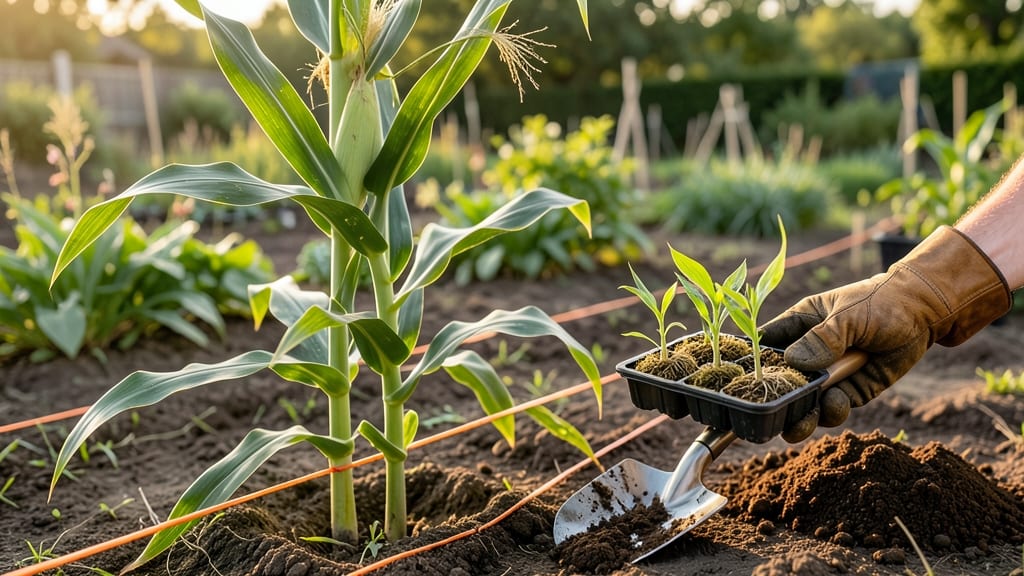
Planting corn in Zone 8a means timing your seeds for soil temperatures of 60°F or warmer—any earlier, and you risk slow germination or bolting.
If you’ve ever watched your 🌽 corn seeds sit in cold soil for weeks, only to sprout just as the heat arrives, you know how quickly things can go wrong. The key is knowing when to plant for fast germination without triggering that dreaded bolt.
In Zone 8a, the ideal window is mid-April to mid-May, after the last frost—typically around March 15—but soil warmth is the real game-changer. A soil thermometer is your best friend here, and black plastic mulch can shave days off the wait.
Below, I’ll break down the exact soil temp tricks to plant corn at the perfect moment, plus the best varieties for your climate and how to stretch your harvest season without sacrificing quality.
Optimal planting dates for corn in Zone 8A based on soil temperature
Corn thrives when planted at the right time in Zone 8A, where soil temperatures between 50-60°F trigger fast germination. Plant too early, and seeds rot in cold soil; too late, and your corn may bolt prematurely before reaching maturity.
My Zone 8A garden has taught me that timing is everything for a bountiful harvest.
In Zone 8A, the last average frost date typically falls around March 15, but soil warms more slowly than air temperatures. Corn seeds need consistent warmth to sprout reliably, so I wait until mid-April to mid-May—when soil temperatures reliably reach 60°F at a 4-inch depth.
This window ensures your corn has 90-120 days to mature before the first frost on November 15.
🌱 Key Takeaway: Use a soil thermometer to confirm warmth before planting. If your soil is below 50°F, delay planting or use black plastic mulch to warm it faster.
| Planting Window | Soil Temperature | Heat Unit Accumulation | Risk Level |
|---|---|---|---|
| Early April | 45-50°F | Low (slow germination) | High (rot risk) |
| Mid-April | 50-55°F | Moderate (500-800) | Medium (variable) |
| Late April | 55-60°F | High (1000+) | Low (ideal) |
| Early May | 60-65°F | Very High (1200+) | Low (fast growth) |
| Late May | 65°F+ | Extreme (1500+) | High (bolting risk) |
🌡️ Note: Heat units are calculated as daily average soil temps minus 50°F, summed over the growing season.
For Zone 8A gardeners, the sweet spot is planting in late April when soil hits 55-60°F. This timing balances fast germination with enough heat unit accumulation (1000+ degrees) to ensure mature ears before frost.
I’ve found that early May plantings also work well, but only if you choose fast-maturing varieties like 'Peaches and Cream' (75 days to harvest).
If you’re unsure about your last frost date, check local almanac records or use a frost calendar for your specific county.
In my Zone 8A garden, I’ve seen late frosts creep into April, so I always plant a test row in late April to gauge soil warmth before committing to larger beds.
Covering seeds with row covers can also buy you 1-2 extra weeks of planting time if early-season soil is slow to warm.
Another trick I use is succession planting every 2 weeks after the initial planting. This stretches your harvest window from late summer to early fall and reduces the risk of bolting from heat stress.
For example, my first planting in late April yields ears in July, while a mid-May planting ripens in August, just before frost threats increase.
Watch for bolting signs like tall, spindly stalks with premature tassels. This happens when corn experiences hot, dry conditions too early. To prevent this, I mulch heavily with straw or grass clippings to retain moisture and water deeply during drought periods.
Shade cloth can also help moderate temperatures if your summer heat spikes unexpectedly.
For Zone 8A gardeners with short growing seasons, consider fast-maturing varieties like 'Silver Queen' (85 days) or 'Bodacious' (80 days). These varieties tolerate warmer soils
How to test and adjust soil temperature for corn germination success
Corn seeds need soil temperatures between 50°F and 60°F to germinate properly. In Zone 8A, early spring soil can still be too cool, causing slow or uneven sprouting. Testing your soil’s warmth before planting helps you avoid these common pitfalls and ensures strong, healthy seedlings.
If your soil is too cold, corn seeds may rot instead of sprouting. Fast-germinating varieties like 'Peaches and Cream' can help, but even they struggle below 50°F. The key is to monitor soil temperature consistently and adjust your planting strategy accordingly.
🌡️ Zone 8A Soil Temp Checklist
✅ Ideal planting temp: 50-60°F (use a soil thermometer)
✅ Too cold? (<45°F): Wait 1-2 weeks or use black plastic mulch
✅ Too hot? (>85°F): Plant in late afternoon shade or use row covers
✅ DIY test: Press soil—if it feels cool to touch, delay planting
Start by using a soil thermometer to check temperatures at a 4-inch depth, where corn seeds are planted. Early mornings are best for accurate readings, as temperatures fluctuate throughout the day. If your soil is consistently below 50°F, consider using black plastic mulch to warm it faster.
For a DIY soil test, press your hand into the soil. If it feels cool or damp, your corn seeds may struggle to sprout. In Zone 8A, this is common in early April.
To speed up warming, lay down black plastic mulch 1-2 weeks before planting—it can raise soil temperatures by 5-10°F.
If you’re planting in late spring or summer, watch for soil temperatures above 85°F, which can stress seedlings. Use shade cloth or plant in the late afternoon to prevent overheating. Fast-germinating varieties like 'Silver Queen' tolerate warmer soil better but still need consistent moisture.
Once your soil hits the ideal 50-60°F range, plant your corn seeds 1-1.5 inches deep and keep the soil moist until germination. With the right soil temperature, you’ll see sprouts in 7-10 days, setting your corn up for a successful harvest.