
Plants
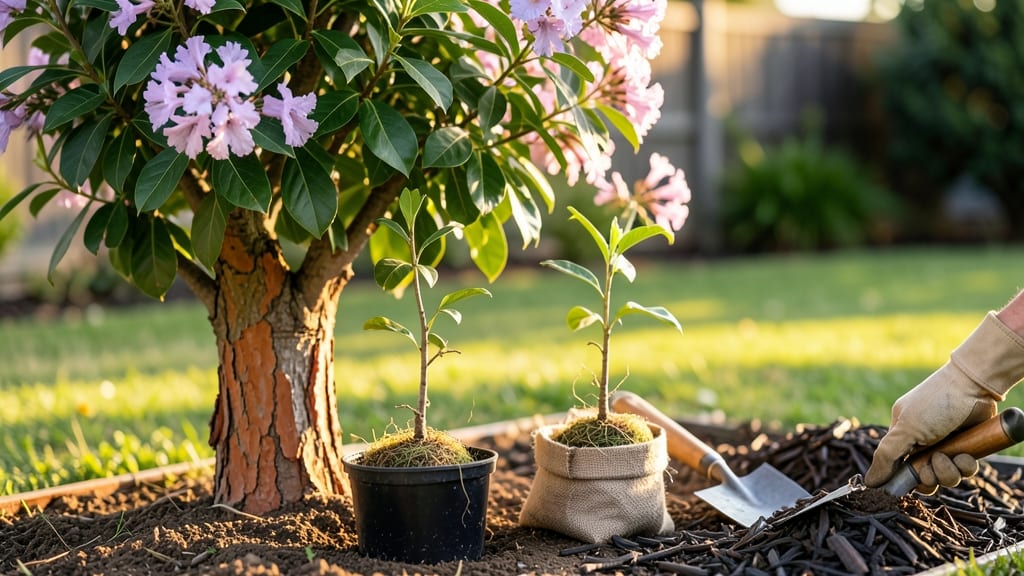
Planting crepe myrtle in North Carolina at the right time ensures vibrant blooms and strong roots 🌸 — aim for late March through May, after the last frost date.
If you’ve ever watched a crepe myrtle struggle to take root in NC’s unpredictable spring weather, you know timing is everything. Too early, and frost will set back growth; too late, and summer heat can stress young plants before they establish.
North Carolina’s zones 7a-8b offer a narrow window for success, where soil temperatures above 60°F signal it’s safe to plant. The difference between a thriving tree and a sad stump often comes down to these details.
Below, I’ll break down the exact months for your zone, how to prep soil for faster root growth, and whether container planting can give you an extra two weeks of flexibility.
Best planting months for crepe myrtle in NC by Zone (5b to 8a)
North Carolina’s diverse climate—from the mountains of Zone 5b to the coastal plains of Zone 8a—creates unique planting windows for crepe myrtles. The difference between a 60% survival rate and a 90% thriving tree often comes down to choosing the right month based on your specific zone.
Let’s break down the science behind why timing matters and how to align your planting with NC’s frost patterns.
Crepe myrtles thrive when planted during their active root growth phase, which occurs when soil temperatures stay consistently above 60°F (15°C). In cooler zones like 5b, this means waiting until late spring, while warmer zones like 8a can start as early as February.
The goal is to give roots 6-8 weeks of warm soil before summer’s peak heat arrives—this prevents transplant shock and encourages vigorous growth.
Here’s a quick visual guide to help you decide based on your NC zone:
In Zone 5b, where late frosts are common, planting before May 15 risks damage to tender new roots. I’ve seen crepe myrtles planted in April in the mountains struggle if a 28°F (-2°C) frost hits—so always check your local NC State Climate Office frost dates.
For example, Asheville’s average last frost is May 10, while Boone’s can linger until May 25.
For Zones 7a-8a, the window opens earlier because the ground warms faster. In Raleigh (Zone 7b), I’ve had success planting as early as February 15, but I always verify soil temperatures with a soil thermometer.
Pro tip: Aim for 55°F (13°C) or warmer—this ensures roots establish before summer’s heat stress begins.
One common mistake I see is planting crepe myrtles in late May or June, especially in cooler zones. The tree’s root system needs time to adapt before the dog days of summer hit.
If you miss the spring window, consider fall planting in September—just ensure the tree has 6-8 weeks to establish roots before winter dormancy begins.
Another critical factor is moisture availability. Crepe myrtles planted in Zone 8a during January may face drought stress if rainfall is scarce. Always pair planting with a deep watering schedule—think 10-15 gallons per tree for the first two weeks—to help roots penetrate the soil.
If you’re in Zone 5b or 6a, I recommend waiting until late April or early May to plant. This gives the tree enough time to establish before summer’s heat arrives.
For example, in Hendersonville (Zone 7a), I’ve noticed that crepe myrtles planted in March often bloom 2 weeks earlier than those planted in April because they have more time to acclimate.
For container-grown crepe myrtles, you can extend the planting window slightly by hardening off the tree for 2 weeks before transplanting. This is especially useful in Zone 8a, where you might plant as late as March 1 without risking frost damage.
Just be sure to water deeply before and after transplanting to reduce shock.
5 Critical factors that determine perfect planting timing in NC
Timing your crepe myrtle planting isn't just about picking a month—it's about reading North Carolina's unique growing conditions. While most gardeners focus on frost dates, soil temperature, humidity patterns, and local microclimates actually determine whether your tree thrives or struggles.
Even two counties apart can have 10-day differences in ideal planting windows.
For example, the Piedmont region (Zone 7b) often sees warmer soils by early April, while the coastal plain (Zone 8a) may wait until mid-April. These variations mean checking NC State Extension's frost maps isn't enough—you also need to monitor soil thermometers and local weather patterns.
The difference between success and failure often comes down to these 5 critical factors.
- 🌡️ Soil Temperature: Plant when soil reaches 60°F+ (use a soil thermometer to verify). Cold soil slows root growth, increasing transplant shock risk.
- 🌬️ Humidity Levels: Aim for 40-60% humidity. High humidity (like summer) can cause fungal diseases, while low humidity (spring) speeds up moisture loss.
- 🗺️ Local Microclimates: Check NC State Extension's county maps—urban areas heat up faster than rural zones, affecting planting windows by 1-2 weeks.
- 💧 Soil Moisture: Plant when top 6 inches of soil are moist but not soggy. Overly wet soil suffocates roots, while dry soil causes transplant shock.
- ☀️ Sunlight Hours: Ensure 6+ hours of direct sun daily at planting site. Crepe myrtles need full sun to establish strong root systems for blooming.
One mistake I made early in my gardening journey was planting crepe myrtles in late March based on frost dates alone. The soil was still too cold (52°F), and my trees struggled for 6 weeks before finally taking off.
The lesson? Soil temperature trumps frost dates—always verify with a thermometer. For NC gardeners, this means waiting until mid-April in Zone 7b or early April in Zone 8a.
Another game-changer is using NC State Extension's Plant Toolkit. This free online resource lets you input your exact ZIP code and gets hyper-local advice. For example, in Raleigh (Zone 7b), the toolkit suggests planting April 1-15, while Wilmington (Zone 8a) recommends March 15-April 1.
These differences highlight why general planting charts often miss the mark.
Don't overlook humidity patterns either. In eastern NC, summer humidity can exceed 80%, creating ideal conditions for powdery mildew if you plant too late. To counteract this, I always mulch heavily and choose disease-resistant varieties like 'Natchez' or 'Arapaho' when planting in humid zones.
Even a 2-inch layer of mulch can reduce soil moisture stress by 30%.
For maximum success, combine these factors with post-planting care. Water deeply once a week for the first month to encourage root growth, then taper to every 10-14 days once established. Avoid fertilizing until 6 weeks after planting—new roots need time to adapt before taking in nutrients.
With these 5 critical factors in mind, your crepe myrtle will establish strong roots and reward you with vibrant blooms for decades. 🌸