
Companion Plants
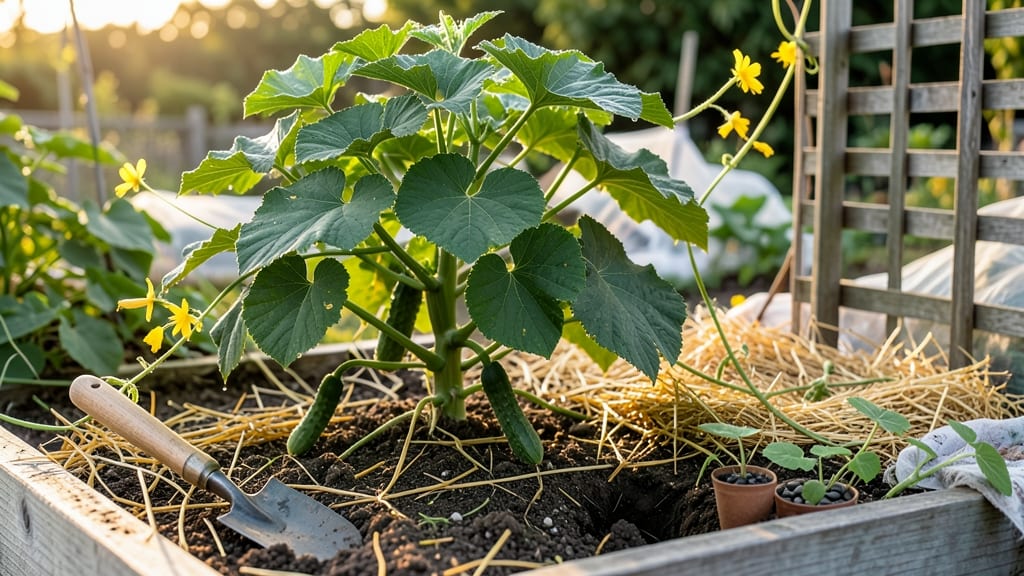
Planting cucumbers in North Carolina after the last frost—when soil hits 60°F—is the key to a bountiful harvest.
North Carolina’s warm springs and unpredictable frost patterns can make or break your cucumber harvest—plant too early, and you risk frost damage; too late, and your vines may struggle in summer heat. Timing is everything, and soil temperature is the secret key to success.
Whether you’re in the Coastal Plain, Piedmont, or the Mountains, local frost dates and microclimates dictate the best window. For example, Zone 6b gardeners should wait until mid-April, while Zone 8a can start as early as March.
In this guide, I’ll break down the exact soil warmth triggers, regional planting schedules, and pro tips to extend your harvest—so you can enjoy crisp, homegrown 🥒 all summer long.
North Carolina cucumber planting calendar: frost dates and soil temperature rules
North Carolina’s diverse climate—from the humid Coastal Plain to the cooler Mountain regions—means cucumber planting success hinges on understanding soil temperature and frost-free windows. Unlike many crops, cucumbers demand warm soil (60°F+) for germination, not just air temperature.
Planting too early risks stunted growth, while waiting too long cuts your harvest short. Let’s break down the regional rules that separate thriving vines from failed experiments.
Your first step? Check your USDA hardiness zone. North Carolina spans zones 6b-8a, with the Coastal Plain (7b-8a) warming earliest, the Piedmont (7a-7b) following, and the Mountains (6b-7a) lagging behind.
Even within zones, microclimates (like urban heat islands or sheltered valleys) can shift your ideal planting window by 1-2 weeks. Always verify local frost dates via the NC State Extension or Almanac’s Frost Calculator.
Here’s the non-negotiable rule: cucumbers won’t germinate until soil hits 50°F, but they thrive only when soil stays above 60°F for planting. A soil thermometer is your best tool—stick it 2 inches deep in the morning for accurate readings.
Air temperature? That’s secondary. Even if daytime highs flirt with 70°F, cold nights can keep soil chilly enough to stall growth.
Now, let’s get to the heart of it: your regional planting calendar. Below, you’ll find the last frost dates, ideal soil temps, and planting windows tailored to NC’s three main regions.
Pro tip: Black plastic mulch can warm soil by 5-10°F, letting you plant 1-2 weeks earlier in cooler zones.
| Region | USDA Zone | Last Frost Date | Soil Temp for Planting | Ideal Planting Window | Fall Planting Window |
|---|---|---|---|---|---|
| Coastal Plain | 7b-8a | March 15 - April 1 | 60°F+ (soil) | April 15 - May 10 | August 1 - August 15 |
| Piedmont | 7a-7b | April 1 - April 15 | 60°F+ (soil) | April 20 - May 1 | July 20 - August 5 |
| Mountains | 6b-7a | April 15 - May 1 | 60°F+ (soil) | May 1 - May 15 | July 10 - July 25 |
For zero-frost success, aim to plant cucumbers when you’ve got 90+ days until the first frost. In the Coastal Plain (zone 8a), that might mean a late July fall crop, while Mountain gardeners (zone 6b) should stick to spring planting or use row covers to extend the season.
Pro move: Stagger plantings every 2 weeks for continuous harvests—just like commercial farms do!
Microclimates can throw off these dates, so observe your garden’s behavior. Urban areas often warm up faster than rural spots due to pavement and buildings. Conversely, valleys and shaded gardens may need 1-2 extra weeks of waiting.
Test your soil’s warmth for 3 consecutive days before planting—consistency matters more than a single warm day.
One more pro tip: Heat-sensitive varieties like ‘Straight Eight’ or ‘Marketmore’ struggle in NC’s 90°F+ summers. For the Piedmont and Coastal Plain, opt for heat-tolerant types such as ‘Southern Vining’ or ‘Sweet Success.’
In the Mountains, shorter-season varieties like ‘Bush Champion’ (only 55 days to harvest) work better. Always check the seed packet for days to maturity and adjust your planting window accordingly.
Finally, don’t forget: Fall planting is a game-changer for NC gardeners. By seeding in late July or August, you’ll avoid the <
How to time cucumber planting for maximum yield: staggered methods and success tricks
Staggered planting is the secret weapon for NC gardeners to avoid glut-and-gap harvests. By spacing out plantings every 2-3 weeks, you ensure a steady supply of fresh cucumbers all summer long.
This method works especially well in North Carolina’s variable climate, where heat waves and sudden storms can disrupt growth.
Succession planting isn’t just about timing—it’s about strategic spacing. Start your first batch after the last frost date (typically mid-April in most zones), then follow up with two more plantings at 2-week intervals.
For a fall harvest, your last planting should go in by late July to mature before frost.
Here’s how to maximize your yield with proven NC-specific tricks:
- 🌱 1. Staggered Planting Schedule: Plant first batch after last frost (mid-April), then every 2 weeks until June 1 for continuous harvests.
- 🌡️ 2. Soil Warmth Trigger: Wait until soil reaches 60°F+ (use a soil thermometer) before planting—cold soil delays germination.
- 🪴 3. Row Covers for Early Starts: Use lightweight row covers to plant 2-3 weeks earlier in spring or extend harvest by 2-3 weeks in fall.
- 🔥 4. Black Plastic Mulch: Lay black plastic mulch 1-2 weeks before planting to warm soil by 5-10°F faster.
- ✂️ 5. Harden Off Seedlings: If transplanting, harden off seedlings for 7-10 days before moving to garden (reduce shock by 50%).
Direct sowing vs. transplanting is a critical decision for NC gardeners. Direct sowing (planting seeds directly in the garden) gives you hardier plants adapted to local conditions, while transplants let you start earlier indoors.
For cucumbers, I recommend direct sowing in most NC zones—it’s faster and reduces transplant shock. Only transplant if you’re dealing with short-season varieties or late starts.
To extend your growing season, consider fall planting strategies. Start seeds indoors in late July and transplant outdoors in early August.
Use row covers or cold frames to protect young plants from early frost, and choose heat-tolerant varieties like 'Straight Eight' or 'Marketmore' for better success in NC’s summer heat.
Remember, consistent moisture is key—especially during flowering. Mulch heavily to retain soil moisture and reduce weeds. With these staggered planting tricks, you’ll enjoy fresh cucumbers from June through October without the risk of overproduction or wasted effort. 🌿