
Plants
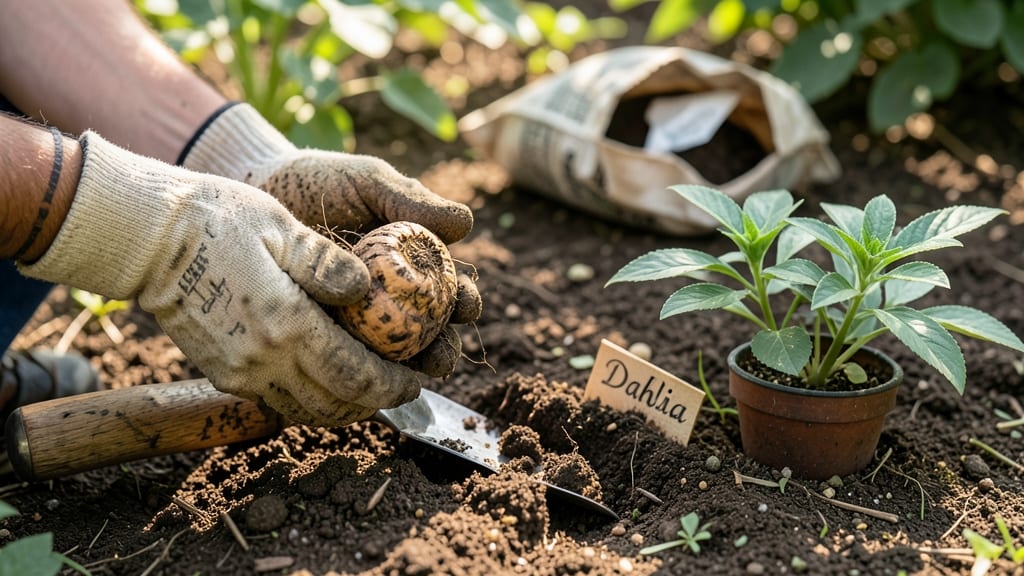
Plant dahlias in Indiana after the last frost, when soil warms to at least 60°F—typically mid-April to early May.
Indiana’s unpredictable spring weather can make or break your dahlia garden—plant too early, and frost will wipe out your blooms before they even emerge. But timing is everything, and with the right strategy, you can enjoy vibrant dahlias all summer long in USDA Zone 6b.
Most gardeners in Indiana skip the indoor seed-starting step and plant tubers directly, saving time and reducing transplant shock. The key is waiting for soil temperatures to stabilize, which usually aligns with late April or early May, just as the risk of frost drops below 10%.
Below, I’ll walk you through the exact frost dates to watch, soil temperature tricks to avoid common mistakes, and companion planting tips to keep your 🌼 dahlias thriving through Indiana’s humid summers.
Optimal planting timeline for dahlias in Indiana’s USDA Zone 6b
Indiana’s USDA Zone 6b presents unique challenges for dahlia growers, where last frost dates can vary by 2-3 weeks between northern and southern regions. The key to success lies in monitoring soil temperatures—dahlias only thrive when the ground reaches at least 60°F consistently.
This typically occurs between mid-April and early May, but cold snaps can push planting back until late May in high-risk areas.
Unlike many flowers, dahlias grow from tubers, not seeds, which means they’re far more sensitive to early spring frosts. Even a light freeze can damage emerging shoots, so timing your planting after the average last frost date (around April 15) is critical.
However, Indiana’s unpredictable weather means you should always have a backup plan for late-spring planting.
| Stage | Action | Indiana Timeline | Soil Temp | Notes |
|---|---|---|---|---|
| Tuber Prep | Chit tubers indoors | Start 6-8 weeks before planting | N/A | Place near sunny window |
| Soil Prep | Amend with compost | Early April | 45°F+ | Add 5-10-10 fertilizer |
| Planting Window | Direct tuber planting | Mid-April to early May | 60°F+ | Use frost blankets if late |
| Late Planting | Staggered planting | Late May (if needed) | 65°F+ | Expect smaller blooms |
| First Blooms | Full sun exposure | July-August | 70°F+ | Provide 1-2 gallons water weekly |
| Frost Prep | Cut back & store tubers | Mid-October | N/A | Dig before first frost |
For Indiana gardeners, the best planting window is between mid-April and early May, but this can shift based on your specific microclimate.
Southern Indiana (e.g., Evansville) may see safe planting as early as late March, while northern areas (e.g., South Bend) might need to wait until mid-May. Always check local frost prediction tools like the National Weather Service or Old Farmer’s Almanac for real-time updates.
If you’re in a high-risk frost zone, consider staggered planting: plant a few tubers every 10-14 days between April and June. This ensures some dahlias will bloom even if early plantings fail.
For example, planting half your tubers in May can act as a safety net if April’s weather turns cold again.
Another critical factor is soil temperature. Dahlias won’t sprout until the ground reaches 60°F, which often aligns with
How to extend the dahlias’ growing season in Indiana’s unpredictable climate
Indiana’s late spring frosts can turn your dahlia dreams into wilted disappointment if you’re not prepared. The key to longer bloom seasons lies in smart protection strategies tailored to Zone 6b’s climate quirks.
With the right tools and timing, you can push your dahlias to thrive well into October’s first frost.
My secret weapon? A multi-layered approach combining frost blankets, cold frames, and staggered planting. These methods create a buffer against Indiana’s infamous late-May freezes while maximizing your garden’s potential. Let’s break down how to implement each technique for zero-frost success.
Plant 1/3 of tubers in mid-April, 1/3 in late April, and the final 1/3 in early May. This spreads out bloom timing and minimizes frost risk.
Cover plants with lightweight frost cloth when night temps drop below 32°F. Secure edges with bricks or soil to prevent wind damage.
Construct low-profile frames (12" tall) with clear plastic lids over young plants. Trap 5-10°F of extra warmth during cold snaps. Remove lids on sunny days to prevent overheating.
Apply 4-6 inches of straw mulch around plant bases in early May. This insulates roots and maintains consistent soil temps above 55°F.
Prioritize ‘Café au Lait’ or ‘Thomas Edison’—these dwarf varieties bloom later and tolerate cooler temps better than tall hybrids.
For extra insurance, I recommend combining these methods. For example, use frost blankets over cold frames during late-May freezes, which are Indiana’s most dangerous. This double-layer protection has saved my dahlias during 2020’s Memorial Day frost.
Don’t forget to monitor local forecasts using the National Weather Service’s Hoosier Zone alerts. When a 32°F warning appears, act fast—cover plants before sunset. With these strategies, you’ll enjoy continuous blooms from July through October.
Pro tip: Mark your calendar for October 1st—this is when I start gradually reducing water to prepare tubers for winter storage. Proper care now ensures next year’s dahlias will be even more vibrant.