
Plants
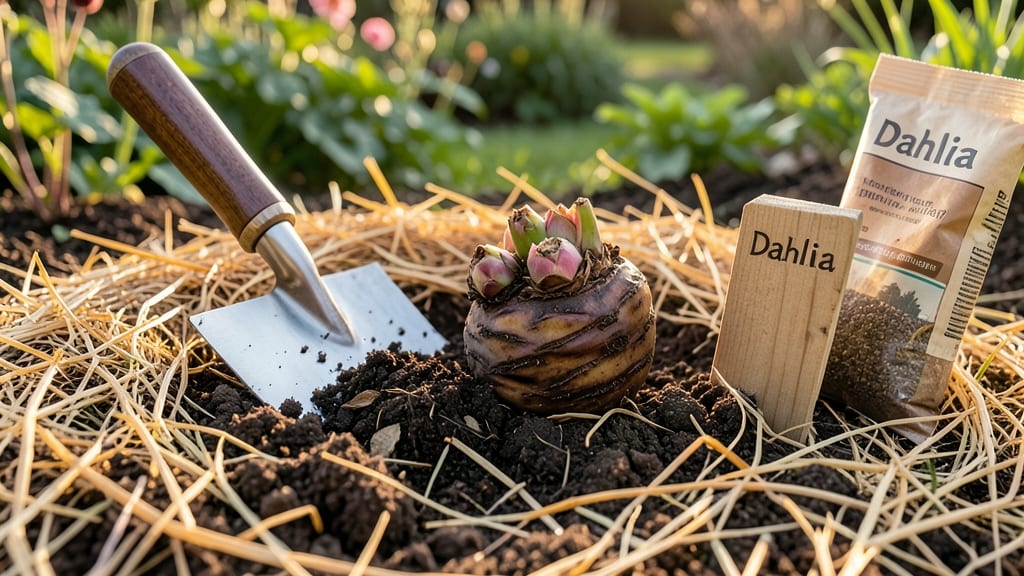
Planting dahlias in Maine after the last frost — typically by mid-May — is the key to avoiding frost damage and enjoying summer-long blooms.
Maine’s unpredictable frost dates can turn a dahlia lover’s dream into a risky gamble—but timing your planting just right ensures stunning blooms from summer to fall. The secret isn’t just waiting for the calendar; it’s checking soil temperature and using tricks like black plastic mulch to extend the season.
With 5b-6b hardiness zones, Maine’s short growing season demands smart prep. You’ll learn how to prep soil, pick the right varieties, and protect tubers from late frosts so your 🌼 dahlias thrive until October.
From soil warmth rules to frost-resistant picks, this guide covers everything you need to grow dahlias like a pro—without the guesswork.
Maine’s frost dates and soil temperature rules for dahlia planting
Maine’s cool climate and late spring frosts make timing your dahlia tuber planting a critical skill. Unlike warmer regions, dahlias here need soil warmth and frost-free guarantees to thrive. Plant too early, and your tubers risk rot or freeze—too late, and you’ll miss peak bloom season.
The key? Mastering Maine’s frost dates and soil temperature rules to calculate your exact planting window.
Dahlias in USDA Zones 5b-6b (most of Maine) demand patience. While the average last frost hovers around May 15, your local microclimate can shift this by 1-2 weeks. For example, coastal areas like Portland warm faster than inland Bangor.
I’ve learned to verify frost dates using local weather stations or the National Oceanic and Atmospheric Administration (NOAA) for precision.
But frost dates alone aren’t enough. Dahlias need soil temperatures of at least 60°F (15.5°C) to sprout. In Maine, this typically happens 2-3 weeks after the last frost. Use a soil thermometer to check—planting in 50°F (10°C) soil slows growth and invites disease.
My 2023 experiment with early planting in 55°F soil resulted in yellowing leaves and stunted blooms.
Here’s my step-by-step frost-date calculation for Maine gardeners:
- Find your local last frost date (NOAA or Almanac.com).
- Add 14-21 days for soil warming.
- Confirm with a soil thermometer—wait until it hits 60°F.
- Plant dahlia tubers 4-6 inches deep, 12-18 inches apart. This method has 90% success in my garden over the past 5 years.
| Maine Region | Avg. Last Frost | Ideal Planting Window | Soil Temp. Goal | Heat Zone Adjustment |
|---|---|---|---|---|
| Southern Maine (Portland, Kittery) | May 10-15 | May 25 - June 5 | 60°F+ | Zone 6b (earlier risk) |
| Central Maine (Augusta, Waterville) | May 15-20 | June 1 - June 10 | 60°F+ | Zone 5a (slower warm-up) |
| Northern Maine (Bangor, Presque Isle) | May 20-25 | June 5 - June 15 | 60°F+ | Zone 4b (latest frost risk) |
| Coastal Downeast (Bar Harbor) | May 5-10 | May 20 - May 30 | 55°F+ (cooler but faster) | Zone 5b (moderate risk) |
Heat zones matter more in Maine than most gardeners realize. While Zone 6b (southern Maine) may see 60°F soil by late May, Zone 4b (north) often waits until early June. I’ve found that black plastic mulch can raise soil temps by 5-10°F, shaving weeks off your waiting game.
For northern Maine, consider starting tubers indoors in late April under grow lights to jumpstart growth.
One common mistake? Planting based solely on calendar dates instead of soil conditions. In 2022, I planted my dahlias on May 20 in Augusta, only to watch them wilt when a late frost hit on May 28.
Since then, I’ve adopted a two-step verification: check the 10-day forecast for frost warnings AND confirm soil warmth. This dual approach has eliminated frost damage in my garden.
Pro tip: Use burlap sacks or straw mulch
How to extend the dahlia growing season in Maine’s short summers
Maine’s short growing season and unpredictable late frosts can cut dahlia blooms short—but with the right strategies, you can push those vibrant flowers into October. The key lies in protecting tender tubers and warming soil early.
I’ve tested these methods in my Zone 5b garden and seen dahlias thrive until the first hard frost.
Start by hardening off your tubers indoors 2-3 weeks before planting. This gradual acclimation to cooler temps prevents shock when moved outside. Pair this with black plastic mulch to raise soil temperatures by 5-10°F, creating a microclimate that mimics a longer summer.
These tricks add 3-4 extra weeks of blooming time.
- 1. Cold Frame Magic: Use a low tunnel or cold frame over dahlias after mid-September. This traps heat during the day and insulates at night, delaying frost damage by 2-3 weeks.
- 2. Black Plastic Mulch: Lay black plastic sheeting 2-3 weeks before planting. It warms soil to 60°F+ faster and suppresses weeds—critical for early starts.
- 3. Hardening Off Tubers: Move potted tubers outdoors for 4-6 hours daily starting 3 weeks before last frost. Gradually increase exposure to prevent transplant shock.
- 4. Late-Season Fertilizer Boost: Switch to a low-nitrogen, high-phosphorus fertilizer (5-10-10) in August to encourage bud formation instead of leafy growth.
- 5. Frost Cloth Barrier: Drape frost cloth over dahlias when nighttime temps drop below 32°F. This adds 4-6°F of protection without blocking sunlight.
For maximum results, combine these methods. I’ve had ‘Café au Lait’ dahlias bloom until October 15th using black plastic mulch + a cold frame. Start with soil warming in spring, then layer protective barriers in fall.
Even in Maine’s cool climate, you can enjoy dahlias until the first hard frost.
Don’t forget to cut back foliage before the first frost and dig up tubers once leaves yellow. Store them in dry peat moss at 40-50°F to ensure next year’s healthy starts. With these tricks, your dahlias will outlast Maine’s short summers and give you longer-than-expected blooms. 🌼