
Flowers
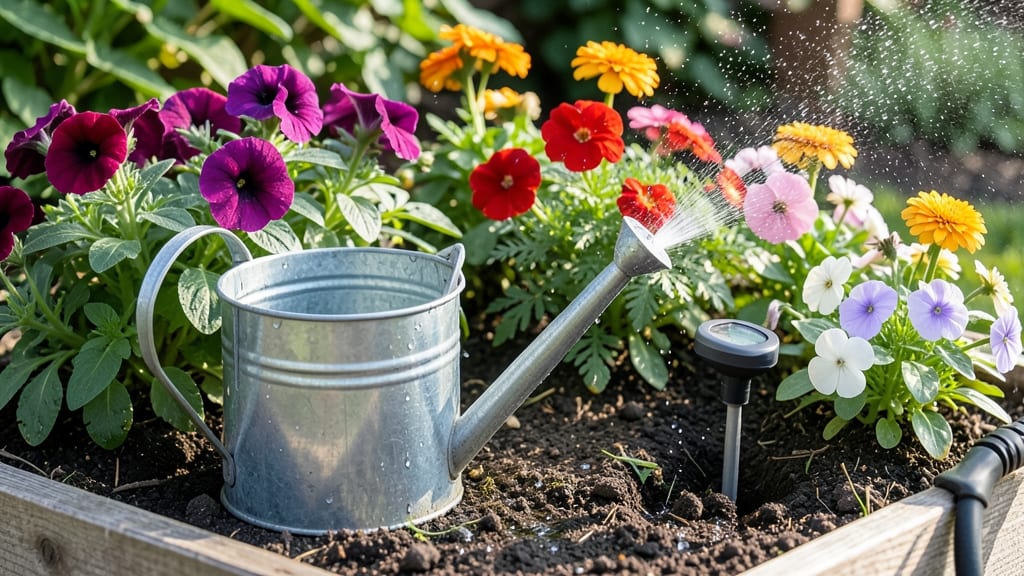
To water flowers the right way, check soil moisture every 2-3 days—but that’s just the starting point, not the rule.
Struggling to keep your flowers thriving? Overwatering or underwatering can silently kill your plants—yet most gardeners guess instead of measuring. Discover the science-backed soil test method to water flowers just right and save time, money, and wilting blooms.
Most of us assume "water when the soil feels dry," but that’s vague—especially when dealing with different flower types like roses or succulents. The key is understanding how deep roots drink and how fast water drains in your garden.
In this guide, I’ll walk you through a simple 3-zone soil test (no fancy tools needed) to dial in your watering schedule. You’ll learn how often to water based on your climate, the signs of over- or under-watering, and even how to adjust for seasonal changes.
The 3-Zone soil test method for watering flowers perfectly
Most gardeners water flowers based on guesswork—until the plants wilt or develop mushy stems. The 3-Zone Soil Test Method changes that by measuring moisture at the root zone, topsoil layer, and drainage zone.
This simple technique helps you water annuals and perennials exactly when they need it, saving water and preventing root rot.
Why does this method work? Flowers have roots that spread 12-24 inches deep (depending on the type), but most water only penetrates the top 2 inches. By testing all three zones, you’ll know if water is reaching the roots—or just sitting on the surface.
I’ve used this method for roses, petunias, and succulents with zero wilting and maximum blooms.
Here’s how to adapt watering for your climate: In dry regions, focus on deep watering 2-3 times per week to encourage roots to grow downward.
In humid areas, water lightly every 3-4 days to avoid fungal diseases like powdery mildew. The 3-Zone Test reveals what’s really happening below the soil surface.
🌱
| Zone | Depth | Test Method | Ideal Moisture | Adjust Watering If |
|---|---|---|---|---|
| Topsoil | 0-2 inches | Finger test (insert finger 1 inch deep) | Slightly damp | Dry = water immediately |
| Root Zone | 2-6 inches | Screwdriver or dowel probe | Moist but not soggy | Dry = deep watering needed |
| Drainage Layer | 6-12 inches | Auger or long stick | Slightly damp (not wet) | Wet = reduce frequency |
💧 DIY Tool Guide: Use a wooden skewer, screwdriver, or metal rod to probe depths. For heavy clay soil, a trowel works for topsoil checks.
Start by testing the topsoil layer with your finger. If it feels dry, water lightly until moisture reaches 1-2 inches deep. For the root zone, use a screwdriver or dowel rod to check moisture at 4-6 inches.
If it’s bone-dry, water deeply until moisture appears at this depth. This ensures annuals like marigolds and perennials like daylilies get the hydration they crave.
For the drainage layer, dig or probe to 10-12 inches—this is where water either lingers (causing rot) or drains away (leaving roots thirsty). If this zone stays wet, cut back on watering by 30-50%.
If it’s dry, your flowers need deep, infrequent watering to encourage root growth. I once saved a hydrangea bush from dying by adjusting its watering based on this test!
Adjust your watering schedule based on flower type. Succulents and lavender thrive with dry soil between waterings, while petunias and impatiens need consistently moist (not soggy) soil. The 3-Zone Test helps you tailor watering to each plant’s needs without over- or under-doing it.
🌿
Pro tip: Keep a watering journal to track moisture levels and adjust as seasons change. In summer, you’ll likely water daily or every other day, while winter might require watering once a week or less. The 3-Zone Method ensures you’re always one step ahead of your plants’ needs.
Remember, overwatering is just as deadly as underwatering. Yellowing leaves or mushy stems often signal too much water, while crispy edges on leaves mean it’s time to hydrate.
By mastering this soil test, you’ll give your flowers the perfect moisture balance for lush growth and vibrant blooms all season long.
☀️
Watering frequency cheat sheet: flowers by type and season
Watering flowers isn't one-size-fits-all—each type has unique needs that change with seasons. Overwatering causes root rot, while underwatering leads to crispy edges. The key? Adjust based on your climate, soil type, and flower category.
Let's break down schedules for 12 popular flowers so you can water with confidence.
Start by checking soil moisture 1 inch below the surface. If it's dry, it's time to water. For succulents and cacti, wait until the soil is completely dry.
Meanwhile, petunias and geraniums need consistent moisture. Seasonal shifts matter too—summer heat demands more frequent watering, while winter often requires less.
- 🌹 Roses: 2-3x weekly (deep watering). Summer: daily if soil dries fast. Fix yellow leaves by improving drainage.
- 🌸 Petunias: Daily in summer, every 2-3 days in spring/fall. Crispy edges mean underwatering—water at soil level, not leaves.
- 🌵 Succulents: Every 2-3 weeks. Winter: monthly. Shriveled leaves? Soak roots, then let dry completely.
- 🌼 Marigolds: 2x weekly. Drought-tolerant—reduce watering if leaves wilt slightly (they bounce back!).
- 🌷 Tulips: Weekly after blooming. Spring: moderate water; summer: reduce to prevent rot.
- 🌺 Orchids: Weekly soak (10 mins). Yellow leaves? Adjust to bamboo watering for better drainage.
- 🌻 Sunflowers: Deep water 2x weekly. Young plants need daily checks—drooping leaves signal thirst.
- 🌿 Begonias: Every 2-3 days. Mulch helps retain moisture. Brown spots? Overwatering—let soil dry between waterings.
- 🌸 Lilacs: Deep water weekly. Established plants need less—focus on root zone hydration.
- 🌹 Hydrangeas: 2-3x weekly. Blue flowers? Acidic soil loves them—water consistently for vibrant blooms.
- 🌷 Dahlias: Daily in summer. Mulch heavily to lock in moisture. Wilted blooms? Water at base, not foliage.
- 🌼 Zinnias: Every 2 days. Drought-resistant—reduce watering if leaves stay crisp. Pinch deadheads to encourage more blooms.
Pro tip: Use a moisture meter or the finger test to avoid guesswork. For container gardens, water when the top 1 inch of soil feels dry. Mulching with straw or bark helps retain moisture and reduces evaporation—perfect for hot afternoons.
Watch for these red flags: Yellowing leaves often mean overwatering, while crispy edges or drooping stems signal thirst. Adjust your schedule based on weather patterns—afternoon rains mean you can skip morning watering, while windy days increase evaporation.
Remember, seasonal adjustments are everything. Summer demands daily checks for thirsty plants like sunflowers, while winter often requires minimal watering unless you're growing tender perennials. With this cheat sheet, your flowers will stay hydrated, healthy, and bursting with color all season long! 🌻