
Plants
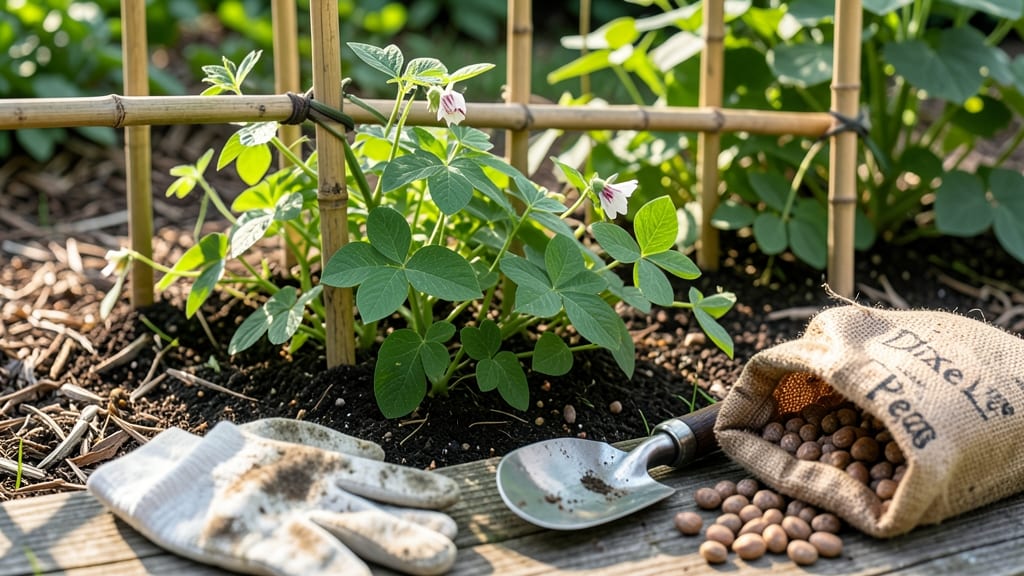
Plant Dixie Lee peas in NC when soil temperatures hit 55°F and stay there, typically between late February and early April for a spring harvest.
North Carolina’s unpredictable spring weather can turn Dixie Lee peas 🌱 from a thriving crop into a frost-killed disappointment—but timing is everything. Plant too early, and you risk losing your harvest to late frosts; too late, and your peas won’t mature before summer heat sets in.
This isn’t just about dates—it’s about soil temperature, frost risk, and regional microclimates. Coastal areas like Wilmington can plant weeks earlier than the Piedmont, while mountain zones like Asheville need to wait until mid-April to avoid frost damage.
Below, I’ll break down the exact planting windows for your zone, how to test soil readiness, and the 3 mistakes that kill Dixie Lee pea yields in NC gardens—so you can grow a bumper crop instead of a bust.
Optimal planting dates for Dixie Lee peas in NC by microclimate
North Carolina’s diverse geography means your Dixie Lee peas planting window varies dramatically from the Coastal Plain to the Mountains. The key is aligning your planting with soil temperatures of 55°F+ and last frost dates specific to your region.
According to NC State Extension, these microclimates can differ by 3-4 weeks—so let’s break it down.
For the Coastal Plain (USDA Zones 8a-8b), where mild winters prevail, you can start sowing Dixie Lee peas as early as mid-February. This region typically sees its last frost around March 15, giving you a 10-12 week growing season before summer heat sets in.
The soil warms quickly here, so don’t wait for perfect conditions—just ensure temps stay above 50°F at night.
In the Piedmont (Zones 7a-7b), where frosts linger longer, hold off until late February to early March. The average last frost date hovers around March 31, so aim to plant 2-3 weeks before that date.
This region’s cooler nights mean you’ll need to monitor soil temperatures closely—wait until they consistently reach 55°F+ during the day.
Mountain gardeners (Zones 6a-7a) face the shortest window: plant mid-to-late March when soil temps stabilize above 55°F. The last frost often occurs around April 15, leaving just 8-10 weeks for a full harvest.
Here, succession planting is critical—consider a second crop in August for a fall harvest before the first frost (October 31).
🌱 Comparison Table: Optimal Planting Windows for Dixie Lee Peas in NC
| Region | USDA Zone | Planting Window | Last Frost Date | Soil Temp Threshold | Notes |
|---|---|---|---|---|---|
| Coastal Plain | 8a-8b | Mid-February to early March | March 15 | 55°F+ | Fastest warming; plant early |
| Piedmont | 7a-7b | Late February to early March | March 31 | 55°F+ | Moderate frost risk; wait for warmth |
| Mountains | 6a-7a | Mid-to-late March | April 15 | 55°F+ | Shortest season; consider fall crop |
Pro tip: Use NC State Extension’s frost maps to pinpoint your exact last frost date. For example, Raleigh (Piedmont) averages March 28, while Asheville (Mountains) can see frost as late as April 10.
Planting 2-3 weeks before your local last frost ensures your peas escape frost damage while still maturing in time.
For a fall harvest, aim to plant August 15-September 15 across all regions. This gives your peas 8-10 weeks to mature before the first frost (October 31 in most areas).
The Coastal Plain can sometimes extend this to early November, but Mountain gardeners should plant by September 1 to avoid frost.
One common mistake? Planting too early and risking frost damage. Dixie Lee peas can tolerate light frosts (28°F), but young seedlings won’t survive prolonged cold.
If your soil is workable but too cold, use row covers or wait 1-2 weeks for warmer temps. Patience here pays off with a bountiful harvest.
Remember, soil temperature matters more than air temperature. A soil thermometer ($10 at garden centers) is your best friend—plant only when the soil reads 55°F+ at 2-inch depth. In clay-heavy soils (common in the Piedmont), amend with compost to improve warmth retention and drainage.
Finally, adjust for microclimates within your region. South-facing slopes warm faster, while low-lying areas stay cooler. If you’re near a large body of water (like the Coastal Plain), expect 3-5°F warmer soil temps than inland areas. Use these local clues to fine-tune your planting schedule for zero-frost success.
Soil temperature and moisture checklist before planting Dixie Lee peas
Dixie Lee peas thrive when planted in soil that’s warm enough to encourage quick germination and shallow enough to support their delicate root systems. In North Carolina, soil temperatures below 55°F can stall germination, while clay-heavy soils common in the Piedmont region often retain too much moisture.
Testing both temperature and moisture before planting ensures your peas start strong and avoid common NC growing pitfalls.
Start by checking your soil temperature using a soil thermometer—insert it 4-6 inches deep, where Dixie Lee peas’ roots will establish. Aim for a consistent reading of 60-70°F during the day, which signals the soil is ready.
Morning checks are best since temperatures fluctuate less. If your soil is still below 55°F, wait 1-2 weeks or use black plastic mulch to warm it faster.
🌱 Key Takeaways for Dixie Lee Peas Soil Prep
- 🌡️ Ideal Temp: 60-70°F (use thermometer 4-6" deep)
- 💧 Moisture Test: Squeeze soil—should crumble, not stick
- 🪴 Clay Soil Fix: Mix in 2-3" compost + sand for drainage
- ⏳ Wait Time: Below 55°F? Delay planting or use black mulch
Next, assess moisture levels by grabbing a handful of soil and squeezing it gently. If it holds its shape but crumbles when released, your soil has the perfect balance of moisture for Dixie Lee peas. If it’s too dry, water deeply until moisture reaches 6-8 inches down.
Overly wet soil—common in NC’s rainy springs—can lead to root rot or poor germination. Amend heavy clay soils by mixing in 2-3 inches of compost and a thin layer of coarse sand to improve drainage.
For clay-heavy soils like those in the Piedmont region, consider raising beds or planting on mounds to prevent water pooling. Dixie Lee peas have shallow roots, so even slight waterlogging can suffocate them.
Test your soil’s drainage by digging a 6-inch hole, filling it with water, and timing how long it takes to drain. If it takes more than 4 hours, amend the soil further with perlite or vermiculite.
Once your soil passes both the temperature and moisture tests, it’s time to plant. Work in well-aged compost or a balanced 5-10-10 fertilizer at a rate of 1 tbsp per foot of row. This gives your peas a nutrient boost without overwhelming their shallow roots.
After planting, keep the soil surface moist but not soggy, especially during NC’s unpredictable spring rains. A light mulch of straw helps retain moisture and regulate soil temperature.
Remember, Dixie Lee peas are fast growers, so every day counts. If you’re planting in late March or April, prioritize soil prep now to avoid delays.
By following this checklist, you’ll give your peas the best possible start—leading to sweet, tender pods in just 60 days. Happy planting! 🌱