
Planting
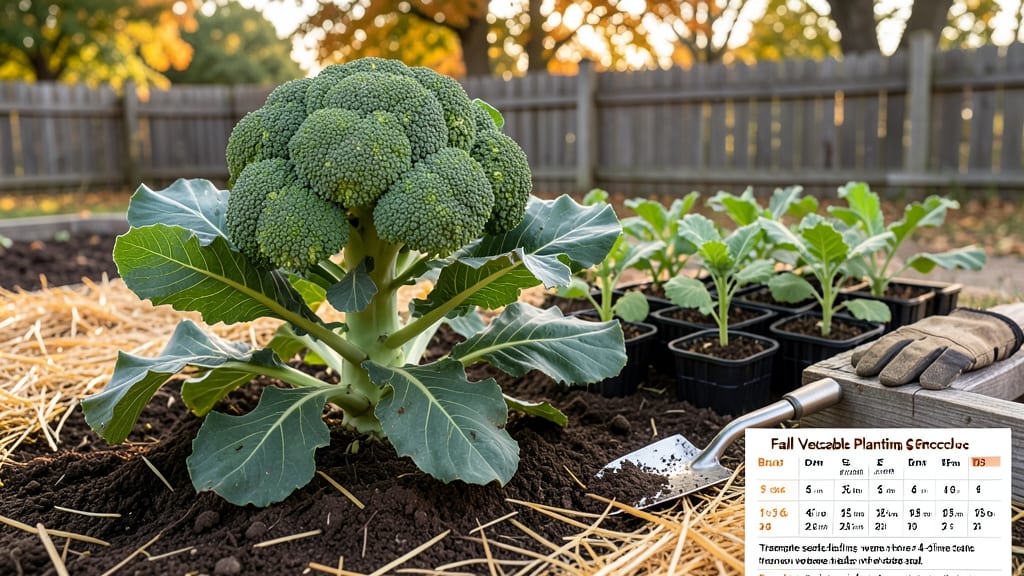
To plant a fall garden in Alabama, aim for late summer—between August 15 and September 15, depending on your microclimate.
Alabama’s warm fall seasons offer a perfect window for growing cool-season crops—but planting too early or late can mean wasted effort or frost damage. Timing your fall garden correctly ensures a bountiful harvest before winter’s chill sets in.
This isn’t just about avoiding frost; it’s about matching your crops to Alabama’s unique USDA Zones 7-8, where humidity and soil warmth play just as big a role as temperature. Get it right, and you’ll enjoy fresh greens, root vegetables, and herbs long after summer’s heat fades.
Here’s how to pinpoint the best dates for your region, extend your harvest season, and avoid common mistakes that sabotage Alabama gardens every year.
Alabama’s fall planting zones: when to start based on microclimates
Alabama’s fall gardening success hinges on understanding your USDA zones (7-8) and microclimates. North Alabama (zones 7a-7b) faces earlier frosts, while South Alabama (zones 8a-8b) enjoys extended growing seasons. Even within regions, elevation and urban heat islands shift planting windows by weeks.
For cool-season crops like leafy greens and brassicas, timing is critical. Plant too early, and summer heat stresses seedlings; too late, and frost ruins your harvest. My fall garden checklist starts with soil temperatures—ideal for transplanting when they drop below 85°F but stay above 50°F.
Let’s break down planting windows by region, with first frost dates as your deadline. North Alabama’s average first frost arrives November 15, while South Alabama holds until December 10. Adjust these dates based on your yard’s microclimate—valleys frost earlier than hillsides.
🌱
For leafy greens like spinach and kale, start seeds 6-8 weeks before first frost. In North Alabama, that’s mid-August for direct sowing. Brassicas (broccoli, cabbage) need 75-90 days to mature, so transplant them by September 15 in zone 7b.
Root vegetables like carrots and beets thrive when soil temps drop below 80°F. Sow them 4-6 weeks before frost—late August in North Alabama, early September in the South. These crops tolerate light frosts, making them ideal for extending harvests.
My fall garden strategy focuses on fast-maturing varieties. Plant bush beans by mid-August for early harvests, then swap them for lettuce and radishes by early September. This succession planting maximizes space and harvests.
Soil preparation is key. Test your soil’s pH (6.0-7.0 ideal) and amend with compost before planting. In Alabama’s clay-heavy soils, mix in sand or peat moss to improve drainage. Mulch with straw or leaves to retain moisture and regulate soil temperature.
Watch for pests like cabbage worms and diseases from humidity. Use row covers for early plantings and crop rotation to prevent soil-borne issues. My fall garden fails always trace back to ignoring these basics.
🌿
How to extend your Alabama fall garden season without frost damage
Alabama’s fall season offers a golden window for growing cool-season crops like kale, carrots, and spinach. But without protection, a single frost can wipe out your hard work.
The key to extending your harvest is combining smart timing with protective strategies tailored to Alabama’s USDA Zones 7-8 climate.
Start by preparing your soil in late summer—add compost and aged manure to improve drainage and fertility. This gives your plants a strong foundation before cooler temps arrive.
I’ve found that mulching with straw or leaves after planting helps retain soil warmth and moisture, which is critical in Alabama’s humid fall.
- ✂️ Row Covers: Use lightweight floating row covers to protect plants from light frosts (28-32°F). Secure edges with bricks or soil to prevent wind damage.
- 🔥 Cold Frames: Extend harvests by 2-3 weeks using clear plastic or glass frames. Ideal for leafy greens and herbs like parsley.
- 🌱 Succession Planting: Sow fast-maturing crops like radishes (25 days) or bush beans (50 days) every 2 weeks for continuous harvests.
- 💧 Drip Irrigation: Keep soil moist but not soggy—dry soil conducts cold better. Water in morning only to reduce fungal risks.
- 🌿 Crop Rotation: Avoid planting brassicas (kale, cabbage) in the same spot yearly to prevent clubroot disease, common in Alabama’s wet falls.
For emergency frost protection, I recommend covering plants with old blankets or cardboard when temps drop below 32°F. Remove covers by 10 AM to prevent overheating. In my Montgomery garden, this method saved my broccoli plants during a November surprise frost in 2022.
Choose cold-hardy varieties like ‘Winterbor’ kale or ‘Nantes’ carrots, which tolerate 20°F with protection. These thrive in Alabama’s cool but not freezing falls. Pair them with slow-to-bolt greens like collard greens, which sweeten after frost.
Monitor your local Alabama Cooperative Extension frost alerts—North Alabama (Zone 7) gets frost 2-4 weeks earlier than South Alabama (Zone 8). Adjust your planting timeline accordingly. I’ve learned that succession planting every 10 days after the first frost ensures a steady supply of salad greens through December.
With these strategies, you can double your fall harvest while keeping your garden thriving well past Thanksgiving. The secret? Layered protection—combine mulch, row covers, and smart crop choices for a frost-free season. Happy gardening! 🌿