
Flowers
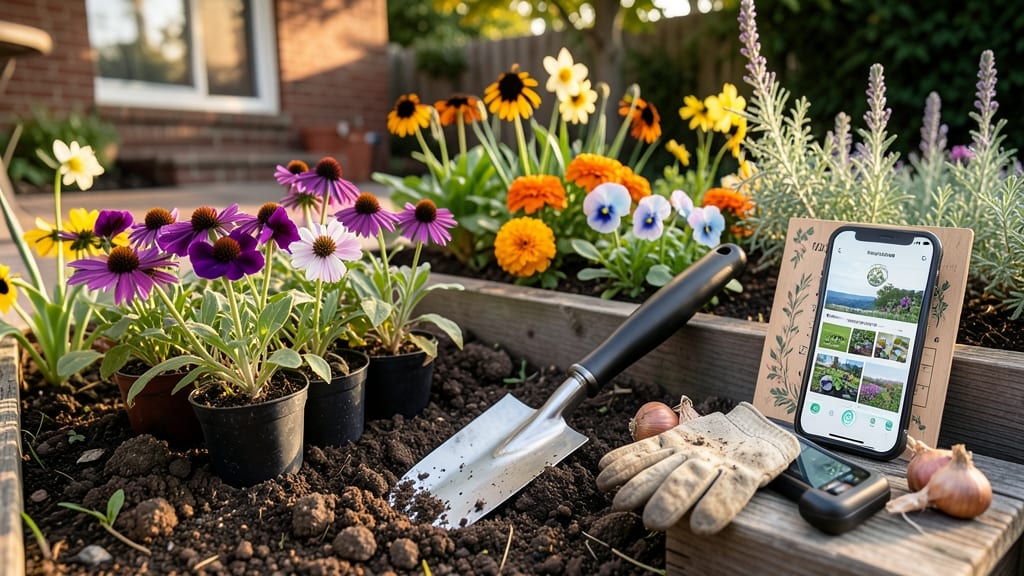
Planting flowers in Chicago means timing them to beat the last frost of April 15 or dodge the first frost of October 20 — a narrow window that separates thriving blooms from wilted disappointment.
Chicago’s unpredictable spring weather can leave gardeners scrambling—plant your flowers too early, and frost will wipe them out; too late, and you’ll miss peak blooms. But timing isn’t just about guessing: it’s about mastering USDA Zone 5’s unique climate quirks for a show-stopping garden.
With 165 frost-free days to work with, the key is knowing when soil warms to 50°F and which varieties thrive in Chicago’s urban vs. suburban microclimates. Whether you’re planting annuals for summer color or perennials for year-round interest, the right timing makes all the difference.
In this guide, I’ll break down the perfect planting calendar by month, share cold-hardy varieties that beat Chicago’s short season, and reveal the three biggest mistakes gardeners make—and how to avoid them.
Chicago flower planting calendar by month: frost dates & best times
Chicago’s USDA Zone 5b-6a climate demands precision when planting flowers. The average last frost date is April 15, but urban areas like downtown can experience frost 2-3 weeks later due to heat islands.
Suburban yards often warm up faster, giving you a 10-day advantage for early planting. Always check soil temperatures—50°F+ is the magic number for most flowers.
Spring planting in Chicago isn’t just about dates—it’s about microclimates. Wind exposure near Lake Michigan can delay warmth, while south-facing walls accelerate growth. Perennials like coneflowers and black-eyed Susans are hardy enough to handle Chicago’s unpredictable springs, while annuals like petunias need perfect timing for full-season blooms.
| Month | Plant Type | Best Varieties | Soil Temp | Notes |
|---|---|---|---|---|
| March | Bulbs | Tulips, Daffodils | 40-50°F | Plant in well-draining soil; avoid wet springs |
| April | Perennials | Coneflowers, Lavender | 50°F+ | Urban areas: wait until April 25 for safety |
| May | Annuals | Marigolds, Petunias | 55°F+ | Start heat-loving varieties like zinnias after May 10 |
| June | Succession Planting | Cosmos, Sunflowers | 60°F+ | Sow every 2 weeks for continuous blooms |
| August | Fall Bulbs | Crocus, Allium | 60°F+ | Plant 6 weeks before first frost (early Sept) |
| September | Hardy Annuals | Pansies, Snapdragons | 50°F+ | Tolerate light frost; plant until Oct 1 |
For spring planting, focus on perennials first—they establish roots before summer heat arrives. My go-to early bloomers include bleeding hearts and columbine, which thrive in Chicago’s partial shade. Annuals like impatiens can go in after May 15 when nighttime temps stay above 55°F consistently.
Chicago’s urban heat islands mean downtown gardens can be 5-10°F warmer than suburbs. Adjust planting times by 1-2 weeks later if you’re in areas like Logan Square or Bridgeport. For suburban yards, south-facing beds warm up fastest—ideal for heat-loving annuals like geraniums and salvias.
Don’t overlook fall planting—it’s when perennials like Russian sage and sedum get their strongest start. Aim to plant 6-8 weeks before first frost (typically September 15-October 1). Bulbs like tulips planted in fall need cold stratification—Chicago’s winters provide this naturally.
Pro tip: Use row covers to extend your spring planting window by 2-3 weeks. I’ve successfully planted pansies in early April under frost cloth, giving me 6 weeks of early color. Just remove covers during the day to prevent overheating—Chicago’s unpredictable weather demands flexibility.
For container gardening in Chicago, heat-loving annuals can go in 2 weeks earlier than in-ground plants since pots warm up faster. Fill containers with moisture-retentive mix and place them near south-facing walls to maximize warmth. Drought-tolerant varieties like lantana thrive in containers and need less frequent watering.
Always monitor local forecasts—Chicago’s late spring frosts can occur as late as May 10. I keep a frost watch calendar and have row covers ready for heat-sensitive annuals like begonias and caladiums. When in doubt, plant perennials first
How to extend your Chicago flower season: cold-hardy varieties & seasonal hacks
Chicago’s short growing season doesn’t have to limit your garden’s beauty. With the right cold-hardy flowers and smart seasonal hacks, you can enjoy blooms from early spring to late fall. The key is selecting frost-tolerant varieties and using protective techniques to shield tender plants from late-season chills.
I’ve tested these methods in my own Zone 5b garden, and they’ve added 4-6 weeks to my flowering season. Start by choosing early bloomers like pansies and snapdragons, then layer in row covers and succession planting for continuous color.
Containers also give you flexibility to move heat-loving plants indoors when needed.
5 Proven Ways to Extend Your Chicago Flower Season
- 1. Plant cold-tolerant varieties: Start with pansies (Zone 3-11), snapdragons (Zone 4-9), and calendulas (Zone 3-11) for early spring color. These thrive in 35-40°F soil.
- 2. Use row covers: Lightweight frost blankets add 4-6°F protection and extend blooms by 2-3 weeks in fall. Secure edges with bricks or soil.
- 3. Try succession planting: Stagger plantings of annuals like zinnias every 2-3 weeks from May to July for nonstop blooms.
- 4. Move containers indoors: Overwinter tender perennials like geraniums in bright windows or under grow lights for spring replanting.
- 5. Mulch heavily in fall: Apply 4-6 inches of straw to insulate perennial roots and protect against freeze-thaw cycles.
For early spring blooms, sow hardy annuals like sweet alyssum and stock in late March under cold frames. These can handle 28°F temperatures and often flower by Memorial Day. In containers, mix slow-release fertilizer into soil to give plants a head start.
Don’t overlook fall planting—many cool-season flowers like asters and chrysanthemums thrive when planted in early September. They’ll establish roots before winter and burst into color in October-November, long after most gardens have faded.
My container garden stays vibrant year-round by rotating seasonal varieties. In spring, I use petunias and lobelia; by summer, geraniums and marigolds take over; and in fall, kale and ornamental cabbage add color until frost. This 3-season rotation keeps my garden lively without constant replanting.
Pro tip: Always monitor your microclimate. South-facing walls and paved areas stay 5-10°F warmer than open spaces, creating pockets where heat-loving plants like coleus or begonia can thrive longer. Use this to your advantage by grouping tender plants near warm spots.