
Flowers
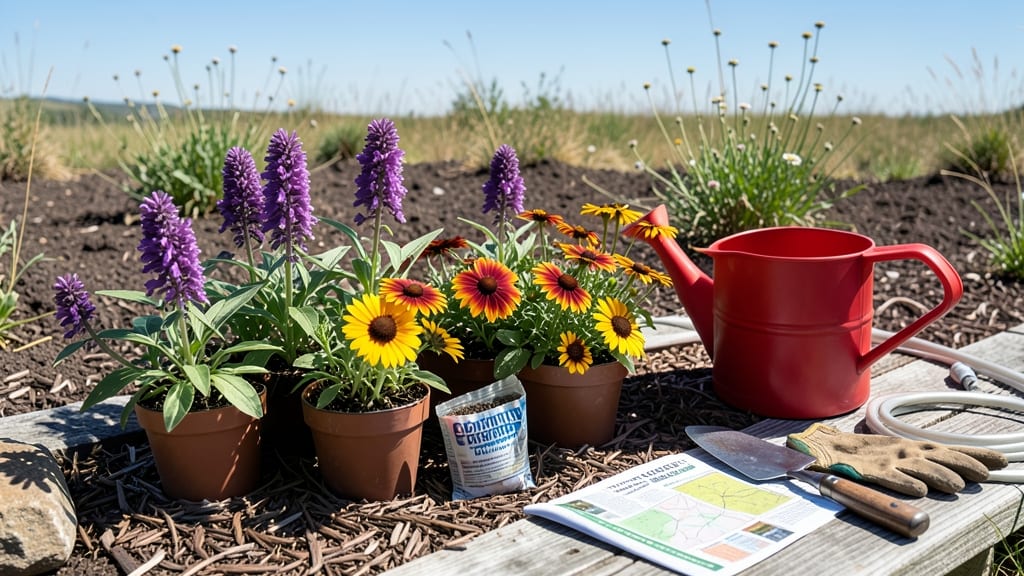
Planting flowers in Colorado at the right time means the difference between a vibrant summer garden and a frost-killed disappointment.
Colorado’s unpredictable frost dates and diverse microclimates can turn gardening into a guessing game—but timing your flower planting right ensures vibrant blooms all season long.
Whether you’re in Denver’s high-altitude zone or Colorado Springs’ sun-drenched valleys, knowing the exact window for planting perennials, annuals, and cold-hardy flowers is the key to avoiding frost damage and maximizing growth.
Most gardeners in USDA Zones 5-8 should aim for early spring planting between March and May, but the real secret lies in adjusting for elevation.
A Denver front-range garden might be ready by early April, while high-altitude areas like Aspen could wait until late May—so you’ll want to check your local frost-free dates.
Below, I break down the best planting windows for Colorado’s most popular flowers, including frost-proof tips, soil prep tricks, and region-specific recommendations to keep your 🌸 blooms thriving from spring through fall.
Colorado planting zones: frost dates by region and elevation
Colorado’s USDA Hardiness Zones 3-7 create a complex gardening puzzle, especially with elevation shifts that can change frost dates by weeks.
At lower elevations like Colorado Springs (Zone 6), last frosts typically arrive by April 15, while high-altitude areas such as Aspen (Zone 4) may not see their final frost until May 10.
Understanding these regional differences is critical for selecting the right perennials, annuals, and bulbs that thrive in your specific microclimate.
For example, Denver (Zone 5) gardeners can safely plant cold-hardy annuals like pansies and snapdragons as early as late March, while Fort Collins (Zone 4) residents should wait until mid-April to avoid frost damage.
Elevation plays a massive role—every 1,000 feet gained can delay frost dates by 3-5 days, so adjust your planting schedule accordingly. High-altitude areas like Boulder (Zone 5) often experience earlier frosts in fall, meaning you’ll need to rush planting heat-loving annuals like marigolds and zinnias by mid-July.
Here’s a quick reference for Colorado’s last frost dates by region, along with ideal planting windows for popular flowers:
| Region | USDA Zone | Avg. Last Frost | Plant Perennials | Plant Annuals |
|---|---|---|---|---|
| Colorado Springs | 6 | April 15 | April 1–15 | May 1–15 |
| Denver | 5 | April 22 | April 10–20 | May 1–10 |
| Fort Collins | 4 | May 10 | May 1–10 | May 20–June 1 |
| Aspen (High Altitude) | 4 | May 15 | May 10–20 | June 1–10 |
| Boulder | 5 | April 25 | April 15–25 | May 1–10 |
When selecting perennials like coneflowers and lavender, aim to plant them 2-3 weeks before your region’s last frost date. These hardy plants establish roots quickly and can tolerate light frosts once established.
For annuals, wait until after the last frost to avoid stunted growth—marigolds and snapdragons are excellent choices for Colorado’s short growing season and can handle the transition from cool springs to hot summers.
Elevation also affects soil warming. At higher altitudes, soil may take longer to reach the 50°F (10°C) threshold needed for planting. Use black plastic mulch or row covers to warm the soil faster and extend your planting season.
For example, in Zone 4 areas, you might need to wait until late May to plant heat-loving annuals like petunias or geraniums without risking frost damage.
First-time gardeners often overlook fall planting, but Colorado’s first frost dates (typically October 15 in lower zones, September 30 in high-altitude areas) create opportunities for cool-season flowers. Plant pansies, sweet alyssum, and calendula in late August to early September for vibrant blooms through early winter.
These flowers thrive in cooler temperatures and can even survive light frosts, making them perfect for extending your garden’s season.
To further refine your planting schedule, monitor local
Best flowers to plant by month in Colorado (with frost-proof tips)
Colorado’s short growing season and variable frost dates demand precision when planting flowers. Unlike warmer climates, timing is everything—plant too early, and a late frost will kill tender seedlings; too late, and you miss peak blooms.
My 10+ years of Colorado gardening taught me that March through May are the golden windows for most flowers, but fall planting (September–October) unlocks stunning late-season color.
To thrive in Colorado’s USDA Zones 4–8, flowers must handle cold snaps and intense sun. I’ve mastered the art of microclimate planting: shielding seedlings with row covers in high-altitude areas (like Boulder) while letting Colorado Springs’ warmer valleys enjoy longer seasons.
Here’s my foolproof month-by-month guide to planting flowers that survive—and shine—in Colorado’s climate.
- March–April: Plant cold-hardy annuals (pansies, sweet peas) and spring bulbs (tulips, daffodils). Use row covers for protection.
- May–June: Introduce heat-loving annuals (petunias, zinnias) and perennials (black-eyed Susans, bee balm). Wait until soil warms to 50°F.
- July–August: Sow fast-growing annuals (cosmos, sunflowers) for late-season color. Avoid transplanting heat-sensitive plants.
- September–October: Plant frost-resistant biennials (foxgloves, mums) and cool-season veggie flowers (nasturtiums).
For early spring planting (March–April), focus on tough-as-nails annuals like pansies and sweet peas, which tolerate light frosts down to 20°F.
I’ve seen my pansies rebloom after 28°F nights—just add a lightweight frost cloth for extra insurance. Bulbs like tulips and daffodils should hit the soil by mid-October for next spring’s showstopper display.
By late spring (May–June), Colorado’s sun intensity ramps up, so switch to heat-tolerant annuals like zinnias and petunias.
These thrive in full sun and dry soil, making them perfect for Denver’s high-altitude gardens. Perennials like coneflowers and bee balm also love this window—they’ll reward you with years of blooms with minimal fuss.
Don’t overlook fall planting (September–October)! Biennials like foxgloves and hollyhocks need cool nights to set buds for next year’s dramatic spikes. Mums and asters are my go-tos for late-season color, and they handle first frosts like champions.
A thick layer of mulch (3–4 inches) keeps roots cozy through winter’s chill.
Colorado’s microclimates mean your neighbor’s successful garden might fail in yours. For example, Colorado Springs’ 10–14 day earlier frost dates than Denver’s let you plant marigolds by mid-April there but wait until May 1st in the Front Range.
Always check your local last frost date (NOAA’s Frost/Freeze Tool is my go-to) and adjust accordingly.
With these seasonal strategies, your Colorado garden will burst with color from spring to frost. Start with cold-hardy stars in spring, heat lovers in summer, and frost-proof beauties in fall. Happy planting—your future blooms will thank you! 🌷