
Flowers
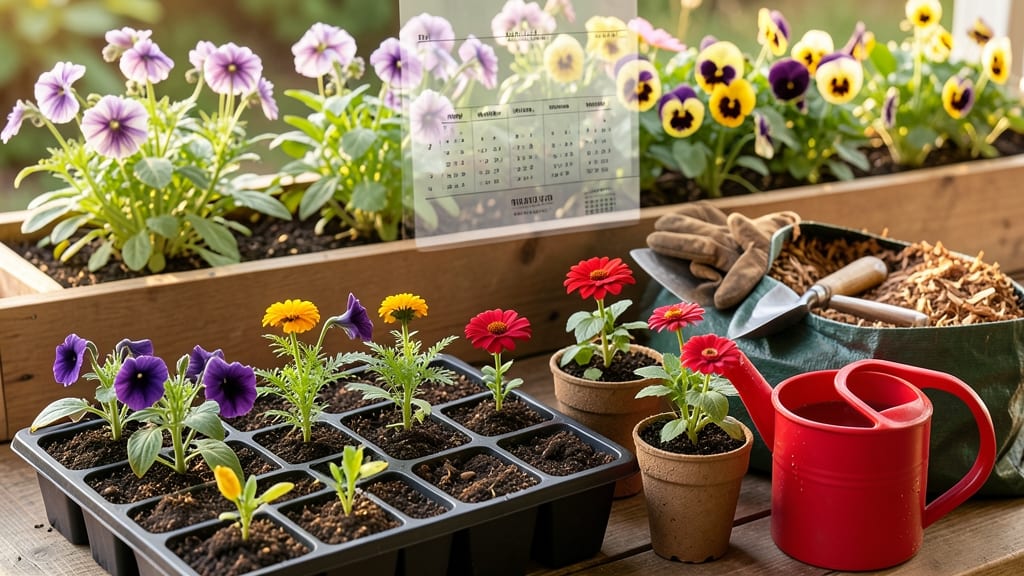
Planting flowers in Denver at the right time means the difference between a garden that bursts into color by Memorial Day and one that wilts under late frosts.
Denver’s unpredictable weather can turn your flower planting into a high-stakes guessing game—but timing your blooms right means vibrant gardens from spring to fall. With USDA Zones 5b-6a, knowing the exact frost-free windows for annuals, perennials, and bulbs is your secret weapon for a showstopping garden.
Most gardeners here wait until after the mid-April last frost, but perennials like coneflowers can handle cooler soil and even benefit from a fall planting. Annuals like marigolds, on the other hand, need warm soil to germinate, so waiting until late May is safer for those.
Below, I break down the ideal planting windows for Denver’s most popular flowers, including soil prep tips, watering schedules, and how to adjust for microclimates—so you can finally stop guessing and start growing.
Denver’s frost-free planting calendar: exact dates for annuals, perennials & bulbs
Denver’s USDA Zones 5b-6a and elevation of 5,280 feet create a unique growing window where timing is everything. The average last frost date is April 15, but urban areas like Downtown Denver can warm up 1-2 weeks earlier than suburban spots.
For perennials and bulbs, fall planting in September-October gives roots time to establish before winter, while annuals thrive when planted 2-4 weeks after that last frost.
Cool-season flowers like pansies and snapdragons can handle light frosts, while warm-season favorites such as marigolds and zinnias need consistent warmth to thrive.
Below, I’ve broken down the exact planting windows for Denver’s most popular flowers, including adjustments for microclimates and container gardening—because even in Denver, your garden’s location matters.
Pro Tip: Use a soil thermometer (aim for 40°F+ for cool-season plants, 60°F+ for warm-season) to avoid planting too early. Denver’s Chinook winds can bring unexpected warmth, but nighttime temps often dip below freezing until mid-May.
For urban Denver gardens (like those in Capitol Hill or RiNo), pavement and buildings create heat islands that can push last frost dates back by 1-2 weeks. If you’re in a suburban area (e.g., Arvada or Lakewood), expect cooler soils and later planting times.
Always check your specific microclimate—a neighbor’s garden might be 10°F warmer or cooler than yours!
My personal rule: If you’re unsure about frost dates, opt for heat-loving annuals like sunflowers or cosmos, which bounce back from late frosts. For delicate perennials like peony, wait until mid-May to transplant, even if the soil feels warm.
Denver’s unpredictable spring is no joke—better safe than sorry with your $5 perennials!
Don’t forget about fall planting! September is prime time for bulbs and hardy perennials. By planting in fall, you’ll beat the October 15 first frost and give roots time to establish before winter. I’ve had tulips bloom 2 weeks earlier just
How to adjust planting times for Denver’s microclimates & unpredictable weather
Denver’s urban heat islands and elevation shifts can create wildly different planting conditions just blocks apart. What thrives in lowland neighborhoods like Capitol Hill may freeze in high-altitude areas like Genesee Park—where temps can drop 5°F colder overnight.
The key? Adjusting your planting timeline based on microclimate zones and soil temperature, not just the calendar.
Start by testing soil temperature with a soil thermometer—most flowers need 50°F+ soil to germinate. In Denver’s Zone 5b-6a, this often means waiting until mid-to-late May for warm-season annuals, even if the air feels spring-like.
For high-altitude gardens (5,000+ ft), push planting back 1-2 weeks compared to lowland areas.
High-Altitude vs. Lowland Planting Adjustments
- 🌡️ Later planting (2-3 weeks after lowland areas)
- 🌱 Shorter growing season (20-30 fewer frost-free days)
- ❄️ Frost risk persists until June 1
- 🌱 Earlier planting (after April 15 last frost) Longer growing season (up to 180 frost-free days)
- ☀️ Urban heat islands can warm soil 5-10°F faster
For risk-averse gardeners, I recommend the "two-stage planting" method. Start with hardy annuals like snapdragons or pansies in early April (they tolerate light frost), then follow with heat-loving flowers like marigolds or zinnias after May 15.
This spreads your blooms and minimizes losses from late frosts, which can hit Denver as late as mid-June in high-altitude areas.
Don’t overlook container gardening as a microclimate hack. Pots in south-facing patios warm up 3-5°F faster than in-ground beds, giving you a 2-week head start on planting. Just use self-watering containers—Denver’s dry air and wind can dry out potted flowers twice as fast as ground-planted ones.
When in doubt, check the Denver Botanic Gardens’ frost alerts (they update weekly) or use Almanac’s Frost Calculator for your exact neighborhood. For perennials, plant in early fall (September) to establish roots before winter—this gives them a 30% better survival rate in Denver’s Zone 5b winters.
Remember: Denver’s weather is unpredictable, but with these adjustments, you’ll turn unreliable conditions into reliable blooms. Start with soil tests, adjust for elevation, and always have a backup planting date—your garden will thank you with nonstop color from spring to fall. 🌷