
Flowers
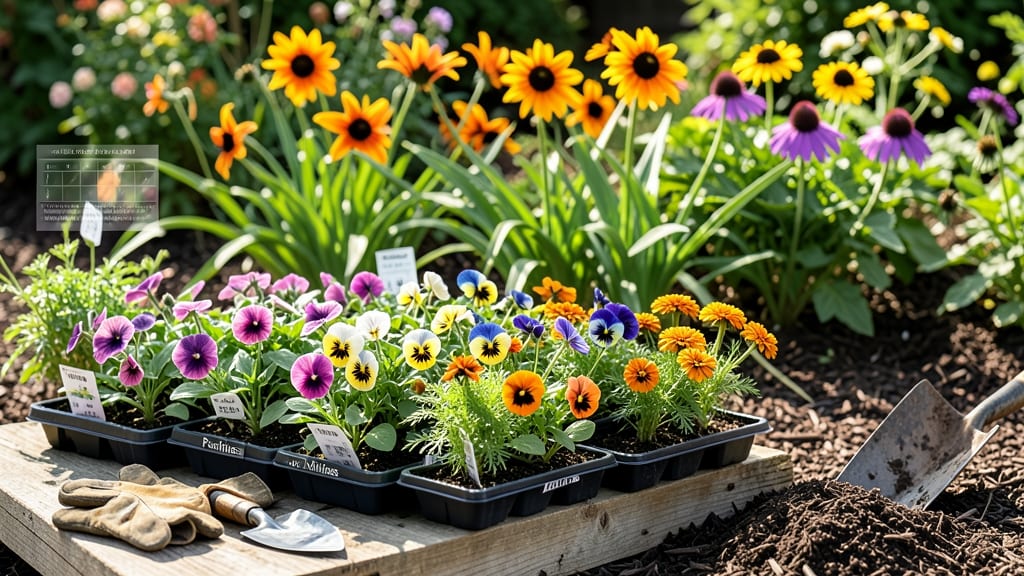
To plant flowers in Connecticut’s USDA Zone 6b, time your sowing between March 15 and May 15 for spring blooms and August 15 to September 30 for fall color.
Connecticut gardeners know timing is everything—plant too early, and frost will kill your blooms; too late, and summer heat steals their vibrancy. Mastering the perfect window ensures your 🌸 flowers thrive from first bloom to final frost, whether you’re growing petunias or perennials.
This guide breaks down exact deadlines by flower type, soil prep tips for CT’s clay-heavy soil, and how microclimates (urban vs. rural) shift your ideal planting dates. No more guessing whether your dahlias will survive July’s heat or if your tulip bulbs were planted too late.
You’ll walk away with a month-by-month planting calendar, frost-date adjustments for your specific town, and the 3 biggest mistakes CT gardeners make—and how to fix them before your blooms fade.
CT flower planting deadlines by season: exact dates for annuals, perennials, and bulbs
Connecticut’s USDA Zone 6b climate means your last average frost date hovers around April 15, while the first frost typically arrives by October 30. These dates create a tight window for planting flowers—especially for frost-sensitive annuals like impatiens and heat-loving perennials like black-eyed Susans.
Missing these deadlines can mean wilted petunias or stunted dahlias. Let’s break down the exact planting windows for spring, summer, and fall flowers to keep your garden blooming all season.
For spring planting, start with cool-season annuals like pansies and snapdragons as early as March 15, but hold off on tender varieties until after the last frost. Bulbs like tulips and daffodils need to be planted 6-8 weeks before frost—typically by October 15 for fall blooms or September 15 for spring.
Meanwhile, perennials like daylilies and coneflowers can go in the ground as early as April 1 once the soil warms to 50°F. Summer’s heat-tolerant annuals, such as zinnias and marigolds, thrive when planted after Memorial Day (around May 25).
| Flower Type | Planting Window | Key Notes | Example Varieties |
|---|---|---|---|
| Spring Annuals (Cool-Season) | March 15 - April 15 | Plant after soil thaws; tolerate light frost | Pansies, Snapdragons, Sweet Alyssum |
| Spring Annuals (Tender) | May 1 - May 15 (after last frost) | Wait until soil reaches 60°F; frost-sensitive | Petunias, Impatiens, Geraniums |
| Spring Perennials | April 1 - May 15 | Plant when soil is workable (50°F+) | Daylilies, Coneflowers, Black-Eyed Susans |
| Summer Annuals | May 25 - June 30 | Heat-tolerant; plant after Memorial Day | Zinnias, Marigolds, Sunflowers |
| Fall Annuals | August 15 - September 30 | Second planting window; avoid late September | Cosmos, Sweet Peas, Stock |
| Spring Bulbs | September 15 - October 15 | Plant 6-8 weeks before last frost | Tulips, Daffodils, Hyacinths |
| Fall Bulbs | October 1 - November 1 | For spring blooms; plant before ground freezes | Crocus, Snowdrops, Allium |
Fall planting is your second chance to extend blooms into autumn.
Start with heat-tolerant annuals like cosmos and sweet peas around August 15, but avoid planting tender varieties after September 15—they won’t survive CT’s early October frosts. Perennials like asters and sedum thrive when planted in early September
How to adjust planting times for CT’s microclimates: urban vs. rural differences
Your neighbor’s perfectly timed petunias might wilt in your garden because CT’s microclimates create wildly different growing conditions. Urban areas trap heat, rural spots get windburn, and soil warms unevenly—meaning their May 1st planting date could be too late for your yard.
Understanding these localized variations lets you tweak your schedule for zero-frost success.
Cities like Hartford experience heat islands where pavement and buildings raise temperatures by 5-10°F compared to rural areas. This means earlier soil warming—ideal for heat-loving lantana or zinnia—but also faster moisture loss.
Meanwhile, open fields in Litchfield County face chilly winds that delay planting by 1-2 weeks for frost-sensitive impatiens.
Here’s how to assess your microclimate and adjust planting times:
- 1. Test soil warmth: Use a soil thermometer—urban soil hits 60°F by mid-April; rural may wait until May 1st.
- 2. Observe wind patterns: Rural areas with open exposure delay planting tender annuals by 7-10 days to avoid frost damage.
- 3. Check shade patterns: Urban buildings cast longer shadows in spring—adjust planting beds 2-3 feet southward for full sun.
- 4. Note heat retention: Dark pavement in cities keeps roots 5°F warmer—ideal for tropical flowers like hibiscus, but risky for cool-season pansies.
- 5. Adjust frost dates: Urban areas may have 10 fewer frost-free days than rural zones—shift fall planting to September 15th instead of October 1st.
For example, if your urban backyard hits 60°F soil by April 15th, you can plant heat-loving annuals like geraniums two weeks earlier than rural gardeners. Conversely, if your rural plot stays below 50°F until May 1st, wait to sow frost-sensitive marigolds until then.
Pro tip: Use mulch in urban areas to slow moisture loss and windbreaks in rural spots to protect young seedlings. These small adjustments can mean the difference between blooms all summer and wilting by July.
Start by monitoring your yard for 1-2 weeks before the general planting window. Note when soil reaches 60°F, how long shadows linger, and if winds exceed 10 mph. Armed with this data, you’ll outsmart CT’s microclimates and plant with precision—just like a pro.