
Flowers
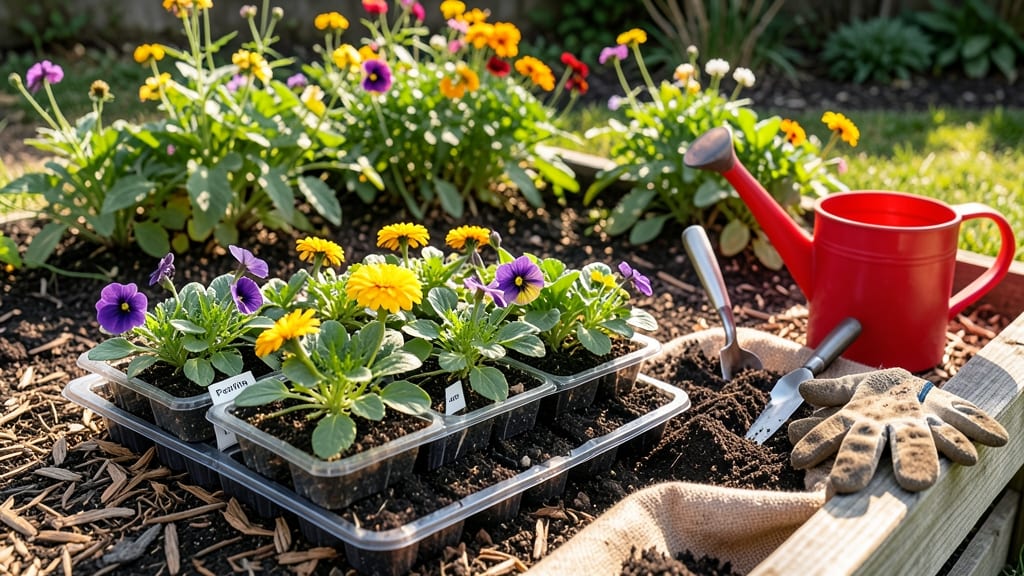
Planting flowers in New England at the right time ensures vibrant blooms all season long, but timing is everything in this unpredictable climate.
Picture this: you’ve spent hours selecting the perfect 🌸 varieties, only to watch them wilt under an unexpected late frost. Or worse, planting too late and missing the short window between frost and summer heat.
The difference between a thriving garden and a sad disappointment often comes down to knowing when to plant—whether you’re sowing seeds, transplanting seedlings, or tucking in bulbs.
New England’s 5a-6b zones mean frost dates vary wildly from coastal Maine to inland Vermont, with last frosts arriving anywhere from mid-April to early May.
That’s why I’ve broken down the ideal planting windows for annuals, perennials, and bulbs, so you can avoid common mistakes and get your garden off to the best start.
Inside, you’ll find a frost-date cheat sheet tailored to your region, plus expert tips for extending your planting season—because in New England, every extra week counts.
New England frost dates by region: critical planting windows for annuals and perennials
New England’s last spring frost dates vary dramatically by region, making it critical to know your local window for planting cool-season flowers like pansies and warm-season blooms such as marigolds. From Maine’s chilly coast to Connecticut’s milder valleys, these dates can shift by weeks—so don’t guess!
I’ll break down the average last frost dates by state and share the exact planting windows for your garden’s success.
Understanding your hardiness zone (typically USDA Zones 3-7 in New England) helps, but microclimates—like urban heat islands or sheltered valleys—can push frost dates earlier or later. For example, Boston’s Back Bay might warm up faster than northern Vermont’s mountains.
Always check local frost forecasts 1-2 weeks before your target planting date to avoid frost damage.
Here’s the key rule: Cool-season flowers (like snapdragons and sweet alyssum) thrive when planted 4-6 weeks before the last frost, while warm-season favorites (e.g., zinnias and cosmos) need soil temperatures above 55°F and should wait until after the last frost.
Below, I’ve mapped out the critical planting windows for each New England state, so you can align your garden with nature’s calendar.
For annual flowers, like petunias or
Best flowers to plant before vs. after the last frost in New England
New England’s unpredictable frost dates (typically mid-April to early May) demand careful planning to maximize your garden’s potential. Planting flowers at the right time—whether before the last frost for hardy varieties or after for tender annuals—ensures vibrant blooms all season.
Let’s break down the best options for each category, including bulbs, perennials, and annuals, plus when to start seeds indoors for a head start.
For bulbs like tulips and daffodils, plant them in fall (September-October) so they establish roots before winter.
These cool-season champions bloom early, offering color just as spring arrives. Perennials like peonies and coneflowers also thrive when planted in early spring (March-April), giving them time to root before summer heat. Meanwhile, annuals like marigolds and petunias prefer after the last frost to avoid frost damage.
| Plant Type | Best Planting Time | Examples | Notes |
|---|---|---|---|
| Bulbs | Fall (Sep-Oct) or Early Spring (Mar-Apr) | Tulips, Daffodils, Hyacinths | Plant bulbs 6-8" deep in well-draining soil. |
| Perennials | Early Spring (Mar-Apr) | Peonies, Coneflowers, Black-Eyed Susans | Transplant after last frost; mulch for winter protection. |
| Annuals (Hardy) | Before Last Frost (Mar-Apr) | Pansies, Snapdragons, Sweet Alyssum | Tolerate light frost; sow seeds early. |
| Annuals (Tender) | After Last Frost (May-Jun) | Petunias, Marigolds, Zinnias | Start seeds indoors 6-8 weeks before last frost. |
If you’re eager to get a head start, consider starting seeds indoors 6-8 weeks before the last frost for tender annuals like petunias and geraniums. This gives them a 3-4 week advantage over direct-sown seeds.
For cool-season crops like lettuce or calendula, you can even sow seeds outdoors 4-6 weeks before the last frost—they’ll handle light frosts like a champ.
For perennials and bulbs, focus on early spring planting (March-April) to ensure they establish strong roots before summer’s heat. Mulch heavily after planting to retain moisture and protect roots.
Meanwhile, annuals like marigolds and cosmos can be sown directly after the last frost, but transplants will give you faster, more reliable blooms.
Don’t forget to monitor local frost forecasts—New England’s microclimates can vary wildly even within a single region. Use row covers or cold frames to extend your planting window for heat-loving annuals if needed.
With the right timing, your garden will burst into color from early spring tulips to late-summer zinnias.
Pro tip: Label your plants as you go—it’s easy to forget what you planted when everything starts blooming at once! Happy gardening, and may your New England garden be the envy of the neighborhood. 🌷