
Flowers
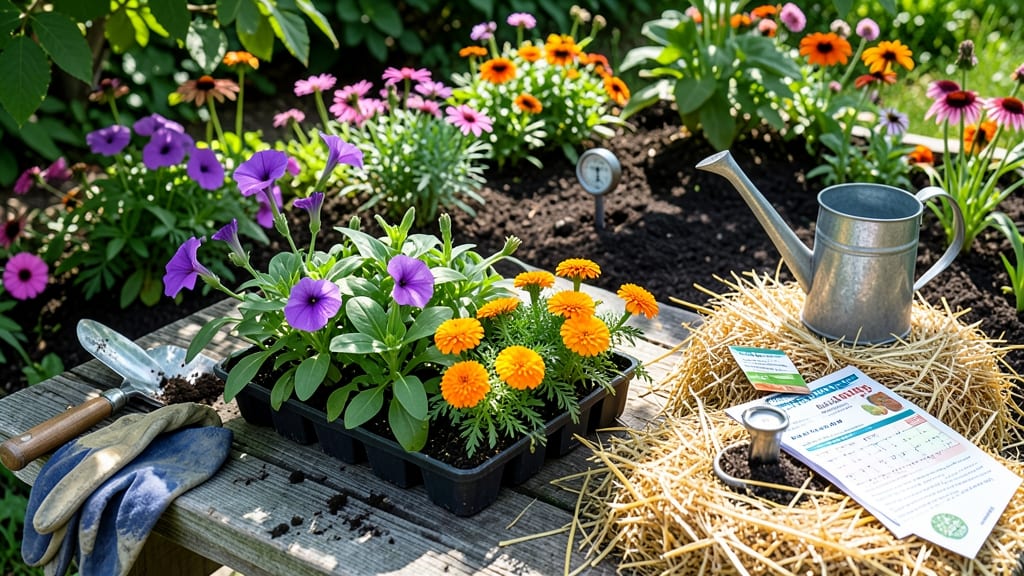
To plant flowers in Ohio, aim for late April to early May after the last frost date in your region—skipping this window means risking frost damage or missed blooms.
Ohio gardeners know timing is everything—plant too early, and frost will kill your blooms; too late, and you’ll miss peak flowering season. But with Ohio’s varied climate zones, there’s no one-size-fits-all answer.
From the frost-free south to the colder north, Ohio spans USDA Zones 5-6, meaning your neighbors might be planting weeks before or after you. Whether you’re growing annuals like zinnias or perennials like coneflowers, knowing your local frost dates is the key to a vibrant garden.
In this guide, I’ll break down Ohio’s frost-free zones, share the best flowers for each season, and reveal pro tips to extend your blooming season—so you can enjoy color from spring to fall without a single setback.
Ohio’s last-frost dates by region: the critical timeline for flower planting
Ohio’s last-frost dates vary dramatically across its five frost-free zones, creating a challenge for gardeners who want to plant flowers at the perfect time.
Whether you’re in Zone 5 (northwest Ohio) or Zone 6 (southern Ohio), knowing your average last frost date ensures your annuals, perennials, and bulbs thrive without frost damage. The USDA Plant Hardiness Zone Map is your first tool, but real-time frost alerts can fine-tune your schedule for 2024.
For example, Toledo and Cleveland (Zone 5b) typically see their last frost around April 20–May 1, while Columbus and Cincinnati (Zone 6a) average April 15–April 25.
These dates mark the safe window to plant tender annuals like petunias and marigolds, but cold-hardy perennials like coneflowers can often go in as early as March in warmer microclimates.
Here’s how to decode Ohio’s frost-free zones and use them to schedule your flower planting:
| Region | USDA Zone | Avg. Last Frost | Safe Planting Window | Key Flowers |
|---|---|---|---|---|
| Northwest Ohio (Toledo, Cleveland) | Zone 5b | April 20–May 1 | May 10–June 1 | Petunias, Snapdragons, Zinnias |
| Northeast Ohio (Akron, Youngstown) | Zone 5b/6a | April 15–April 30 | April 25–May 15 | Pansies, Calendula, Basil Flowers |
| Central Ohio (Columbus, Dayton) | Zone 6a | April 15–April 25 | April 10–May 5 | Marigolds, Sunflowers, Coneflowers |
| Southeast Ohio (Athens, Chillicothe) | Zone 6b | April 10–April 20 | April 5–April 25 | Lantana, Verbena, Black-Eyed Susans |
| Southwest Ohio (Cincinnati, Dayton) | Zone 6a/6b | April 5–April 15 | March 25–April 10 | Tulips, Daffodils, Hyacinths |
Use these dates as a starting point, but always check real-time frost alerts from sources like the National Weather Service or Old Farmer’s Almanac.
A late frost in May can still nip tender seedlings, so wait until nighttime temperatures consistently stay above 50°F (10°C) before planting heat-loving annuals like geraniums or salvias.
For perennials and bulbs, timing shifts slightly. Plant spring-blooming bulbs like tulips and daffodils in October–November, while fall-planted annuals (e.g., pansies, sweet alyssum) can go in as early as September in southern Ohio. Always amend soil with compost before planting to improve drainage and warmth retention.
Ohio’s microclimates also play a role. Urban areas like Columbus may warm up faster than rural Amish Country, while south-facing slopes get sun earlier in the season. Use these local variations to your advantage—plant early bloomers in warmer spots and late-season varieties in cooler areas.
Pro tip: Mark your calendar for the first frost date (typically October 15–November 15), too. This helps you plan for fall-planted bulbs and winter-hardy annuals like stock or calendula, which can survive light frosts.
For real-time updates, bookmark the Midwestern Regional Climate Center or set alerts on your phone for freeze warnings.
By aligning your planting with Ohio’s frost-free zones, you’ll avoid the heartbreak of frost-killed blooms and maximize your garden’s potential. Start with the USDA Zone Map, cross-check with local data, and adjust for your microclimate—your Ohio garden will thank you with months of vibrant color! 🌷
Best flowers to plant by Ohio season: from frost-tolerant spring bulbs to heat-loving summer annuals
Ohio’s diverse climate means you can grow flowers almost year-round, but timing matters. Early spring starts with frost-tolerant bulbs, while summer heat demands drought-resistant annuals. I’ve broken down the best flowers for each planting window, tailored to Ohio’s USDA Zones 5-6 and last-frost averages.
For spring blooms, focus on cold-hardy annuals like pansies and snapdragons, which thrive even when soil is cool. In summer’s peak heat, zinnias and marigolds shine, while fall plantings of mums and asters extend color until frost. Let’s dive into the ideal flowers for each season.
- 🌱 Early Spring (March-April): Plant tulips, daffodils, and crocus as soon as soil is workable (usually after last frost).
- 🌿 Late Spring (May): Add pansies, snapdragons, and petunias after May 15th (average last frost in most regions).
- ☀️ Summer (June-August): Choose zinnias, marigolds, and cosmos—all thrive in full sun and heat.
- 🍂 Fall (September-October): Plant mums, asters, and pansies for late-season color (before first frost, typically mid-October).
In northern Ohio, where frosts linger longer, prioritize hardy perennials like coneflowers and black-eyed Susans for reliable blooms. Southern Ohio’s warmer microclimates allow for longer summer plantings, including sunflowers and lantana.
For containers, opt for heat-tolerant annuals like geraniums or bacopa, which handle urban heat better than delicate blooms. Always check your local frost dates—Ohio’s Zone 5 areas (e.g., Cleveland) average last frosts by April 20th, while Zone 6 (e.g., Cincinnati) warms up by April 10th.
Pro tip: Succession plant heat-loving annuals every 3-4 weeks in summer to keep your garden blooming until frost. Marigolds and zinnias are my go-tos—they’re drought-resistant and pest-repellent, too! 🌻