
Flowers
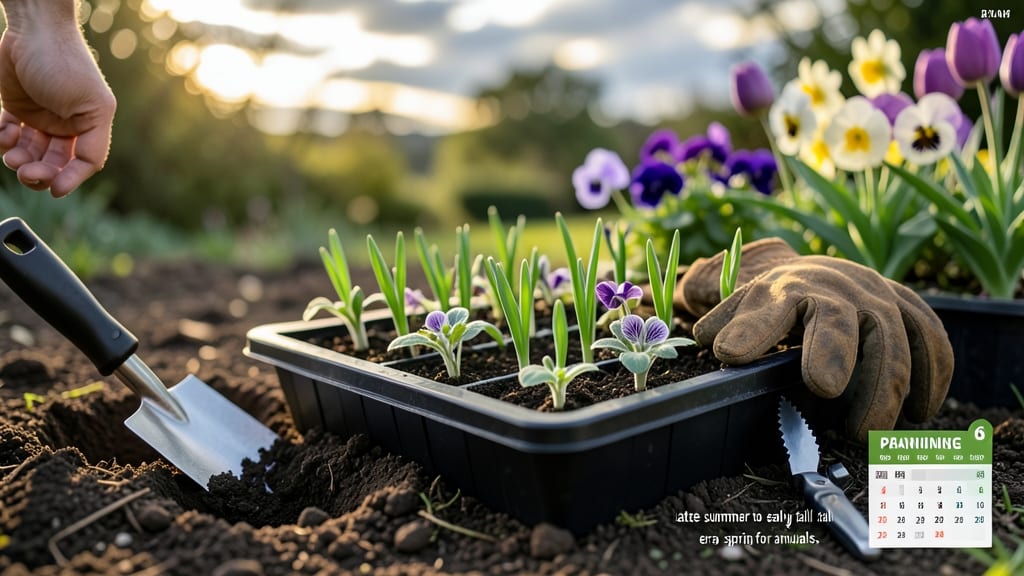
Planting flowers in Zone 6 at the right time means the difference between a garden that thrives and one that struggles — and getting those months wrong can cost you months of waiting for blooms.
If you’ve ever rushed your flowers into the ground only to watch frost nip them back or waited too long and missed the ideal growing window, you’re not alone.
The key is understanding Zone 6’s frost dates (mid-April for last frost, mid-October for first) and how they shape your planting schedule.
From cool-loving annuals like pansies that can handle early spring to heat-loving dahlias that need warm soil, every flower has its perfect window.
Below, I’ll break down the exact months to plant in Zone 6, whether you’re starting from seed or transplanting, plus how to adjust for early or late frosts.
You’ll leave here with a clear checklist for prepping your beds, a month-by-month planting timeline, and the confidence to turn your Zone 6 garden into a year-round burst of color — no guesswork included.
Zone 6 planting calendar: exact months for annuals, perennials, and bulbs
Zone 6 gardeners have a 165-day frost-free window—perfect for growing everything from tender annuals to hardy perennial bloomers. But timing matters: plant petunias too early, and frost will kill them; wait too long with tulip bulbs, and you’ll miss spring blooms.
My calendar aligns popular flowers with Zone 6’s last frost (April 15–May 15) and first frost (October 15–November 15), accounting for 6a vs. 6b variations.
For Zone 6a (colder microclimates), shift planting 1–2 weeks later than the averages below. In Zone 6b, you can plant 1–2 weeks earlier for heat-loving flowers like dahlias or sunflowers. Always check your local USDA Plant Hardiness Map for precise adjustments—your neighbor’s garden might have a different microclimate!
Pro Tip: Use row covers or cold frames to extend your planting window by 2–4 weeks in early spring or late fall. This lets you grow cool-season crops like pansies or snapdragons even earlier.
| Plant Type | Zone 6a Planting Month | Zone 6b Planting Month | Notes |
|---|---|---|---|
| Annuals (Tender) | May–June | April–May | Petunias, geraniums, marigolds |
| Annuals (Cool-Season) | March–April | March | Pansies, snapdragons, calendula |
| Perennials (Spring-Blooming) | April–May | April | Peonies, irises, daylilies |
| Perennials (Summer-Blooming) | May–June | May | Coneflowers, black-eyed Susans, salvia |
| Bulbs (Spring Blooms) | October–November | September–October | Tulips, daffodils, crocuses |
| Bulbs (Fall Blooms) | March–April | March | Daffodils, hyacinths, alliums |
Start cool-season annuals like pansies or snapdragons indoors in March for earlier blooms. These thrive in Zone 6’s cooler temps and can handle light frosts once established. For heat-loving annuals (e.g., petunias, geraniums), wait until after May 15—soil should be at least 60°F to prevent rot.
Perennials like peony or iris can go in the ground as early as April in Zone 6b, but hold off until May in Zone 6a to avoid frost damage. Divide overcrowded perennials in early spring (March–April) or early fall (September) for healthier growth.
Don’t forget fall-planted bulbs! Plant tulips and daffodils in October–November for stunning spring blooms. If you miss the window, store bulbs in a cool, dark place (like a fridge) until you can plant. Order bulbs by July for the best selection.
For late-summer bloomers like dahlias or sunflowers, start seeds indoors in March or buy transplants in May. These need
How to adjust planting times for early vs. late Zone 6 frost risks
Zone 6’s unpredictable frost dates can turn a thriving garden into a frozen disappointment. While the average last frost falls between April 15–May 15, early frosts in Zone 6a or late warmth in Zone 6b can shift your planting window by weeks.
The key? Flexible strategies that let you extend your season without gambling on Mother Nature.
For cold-sensitive annuals like impatiens or marigolds, I start seeds indoors in March—6–8 weeks before the last frost—to give them a head start. Meanwhile, hardy perennials like pansies or calendula can handle light frosts, so I plant them as early as March 15 in most of Zone 6.
But if you’re in a Zone 6a area with late frosts, wait until April 15 to play it safe.
⚠️ callout-warning
- Early Zone 6a: Wait until April 15 for frost-sensitive plants; use row covers for 2-week protection.
- Late Zone 6b: Plant heat-lovers (e.g., zinnias) by May 1 to avoid summer wilting.
- Frost warning? Cover seedlings with frost cloth or a lightweight blanket—even 32°F can kill tender sprouts.
Row covers are my secret weapon for beating early frosts. A simple floating row cover (like Reemay fabric) adds 4–8°F protection and lets light through.
I use it to plant cold-hardy veggies like kale or flowers like snapdragons as early as March 1, then remove it when temps stay above 50°F. For extra insurance, I combine row covers with black plastic mulch to warm the soil faster.
Not all flowers are created equal when it comes to frost tolerance. Pansies, calendula, and sweet alyssum thrive in 30–40°F temps, making them perfect for early spring or fall planting. I direct-sow these in September for fall blooms or March for spring color.
Meanwhile, tender annuals like geraniums need to wait until after May 15—unless you’re willing to baby them with row covers.
If you’re in a late-frost zone (like parts of Pennsylvania or the Midwest), prioritize fast-growing flowers like bachelor’s buttons or cosmos, which bolt quickly and self-seed. I also swap out frost-sensitive plants with heat-tolerant varieties like portulaca or lantana once temps climb above 85°F.
For perennials, coneflowers and black-eyed Susans handle both early frosts and summer heat—ideal for Zone 6’s extremes.
Finally, soil temperature matters just as much as air temperature. Use a soil thermometer to confirm 60°F+ before planting seeds—cold soil delays germination. In early spring, I warm my beds with black plastic for 2 weeks before planting petunias or vinca.
For fall, aim to plant bulbs like tulips by October 15 so roots establish before the ground freezes.
With these adjustments, you’ll beat Zone 6’s frost curve and enjoy blooms from spring through fall—no more wasted seeds or sad, frozen plants! Start with one strategy (like row covers or cold-hardy picks) this year, and expand next season. Your garden will thank you with nonstop color! 🌼