
Trees
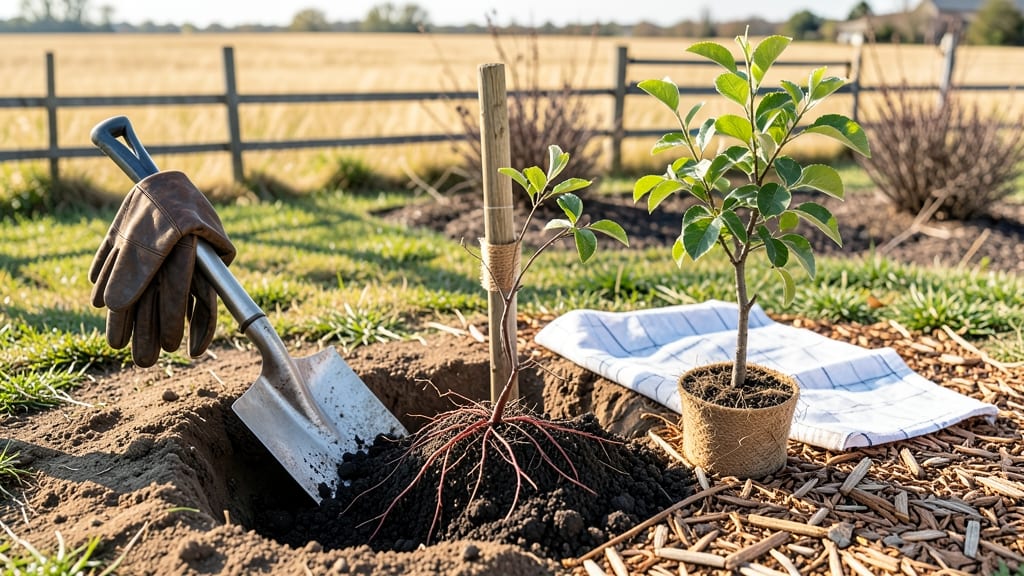
Planting fruit trees in Kansas at the right time ensures strong root growth before summer heat sets in, and that window is narrower than you might think.
Planting fruit trees at the wrong time in Kansas can mean the difference between a thriving orchard and years of disappointment—so timing is everything.
Kansas’s hardiness zones 5b through 7a dictate whether you plant in early spring or late fall, but even then, a late frost can undo all your hard work if you’re not careful.
Below, I break down the best months by zone, the top fruit varieties that thrive here, and the critical mistakes to avoid—so you can finally get that orchard you’ve been dreaming of.
Kansas hardiness zones and ideal planting months for fruit trees
Kansas spans USDA hardiness zones 5b through 7a, which dramatically impacts when you can plant fruit trees without risking frost damage. In Zone 5b (northern Kansas), last spring frosts linger until mid-April, while Zone 7a (southern Kansas) enjoys frost-free soil by mid-March.
These differences mean your planting window shifts by nearly 3 weeks depending on location—so knowing your exact zone is critical.
Most fruit trees thrive when planted in either early spring (just as buds swell) or late fall (6-8 weeks before first frost). Spring planting gives roots time to establish before summer heat, while fall planting avoids drought stress.
However, peach and cherry trees are exceptions—they need chilling hours and should only be planted in late winter (February) in Zone 7a or early spring in Zone 5b.
Here’s the key rule: Plant when soil temperatures reach 40°F+ and stay above freezing for 2 weeks. In Kansas, this typically means March-April for spring and October-November for fall, but always check your local Kansas State University Extension frost date maps for precision.
| Zone | Spring Planting Window | Fall Planting Window | Last Frost Date | Key Consideration |
|---|---|---|---|---|
| 5b (North) | Mid-April to May 15 | October 15–November 1 | April 15–May 1 | Wait for soil >45°F |
| 6a (Central) | Late March–April 30 | October 1–October 15 | April 1–April 15 | Avoid late May planting |
| 7a (South) | February 20–March 31 | November 1–November 15 | March 15–March 31 | Peaches need chilling |
In Zone 5b, where winters are harshest, I recommend fall planting for apples and pears—these trees establish roots before winter and burst into growth in spring. For Zone 7a, where mild winters prevail, early spring planting (February-March) works best to avoid summer drought stress.
The exception? Stone fruits like peaches must be planted in late winter (February) in southern Kansas to meet their 500–1,000 chilling hour requirement.
Always test your soil’s pH (6.0–7.0 ideal) and amend with compost or lime before planting. In Kansas, calcareous soils (high pH) are common, so a soil test from your local extension office is worth the investment.
For example, apples thrive in slightly acidic soil (pH 5.5–6.5), while peaches prefer neutral pH (6.5–7.0).
After planting, mulch heavily (4–6 inches of straw or wood chips) to retain moisture and regulate soil temperature. In Zone 6a, where spring frosts are unpredictable, I’ve found that wrapping young trees with frost cloth during late spring blooms adds an extra layer of protection.
This is especially critical for cherry trees, whose blossoms are highly frost-sensitive.
One common mistake? Planting bare-root trees in summer. These trees dry out quickly in Kansas’ hot, windy conditions. If you must plant in summer, choose container-grown trees and water deeply every 2–3 days for the first month.
For fall planting, stop watering 4–6 weeks before first frost to harden off roots.
Pro tip: Use a planting hole twice as wide as the root ball but no deeper. Backfill with a mix of native soil and compost to encourage root spread.
In Zone 7a, where summers are drier, I’ve seen 50% faster establishment when using mycorrhizal fungi at planting time—this helps roots access water in clay-heavy soils.
Remember, Kansas’ variable weather means your planting success hinges on flexibility. Check weekly frost forecasts from the National Weather Service and adjust your timeline accordingly.
With the right timing and care, your fruit trees will reward you with decades of harvests—starting as early as June for peaches or as late as September for apples.
Best fruit tree varieties for Kansas and their perfect planting timing
Kansas gardeners know that fruit trees thrive best when planted at the right time—just after the last frost but before summer heat sets in. The top 5 varieties for Kansas—apples, peaches, cherries, plums, and pears—each have ideal planting windows to ensure strong root development and bumper harvests.
Let’s dive into the best months for each, plus care tips to keep them flourishing through Kansas’ variable climate.
For apples and pears, late March through April is prime planting time, while peaches and plums prefer slightly later—April to early May. Cherries, however, need cooler soil, so late April to May works best.
These timing differences help trees establish roots before summer’s intense heat or winter’s frost arrives. Soil temperature is your best guide: aim for 40-50°F at 4 inches deep.
Once planted, seasonal care keeps fruit trees productive. In spring, focus on pruning to open the canopy for airflow and sunlight.
Summer requires consistent watering, especially during Kansas’ dry spells. Fall is for mulching and light fertilization to prep for winter, while winter checks for disease damage and plans next year’s pruning.
Kansas’ hardiness zones 5b–7a mean some years bring early frosts or late heatwaves.
Monitor local frost dates (check Kansas State University’s agronomy reports) and adjust planting by 1–2 weeks if needed. Dwarf rootstocks are ideal for home gardens—they bear fruit faster and handle Kansas’ wind and temperature swings better than standard trees.
With the right timing and care, your Kansas orchard can yield fruit for decades. Start with one or two varieties for cross-pollination (like a peach and plum), and expand as you gain confidence.
The key? Plant early spring, water deeply, and prune wisely—your future harvests will thank you!