
Plants
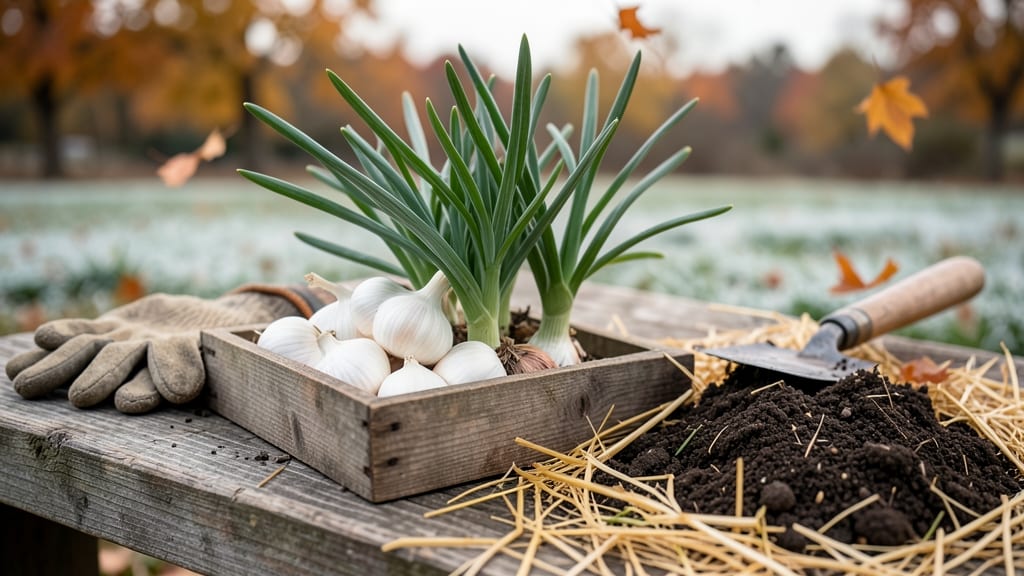
Planting garlic in New York between late September and early October gives it the perfect head start to develop strong roots before winter 🧄.
Timing your garlic planting in New York’s unpredictable climate can mean the difference between a bumper crop and a disappointing harvest—so get this right to grow plump, flavorful bulbs every season.
Hardneck varieties like rocks and artichokes thrive in cooler zones, while softneck types such as silverskin and creole handle milder winters better. Knowing which to plant—and when—saves you from wasted effort and small, weak bulbs.
Below, I’ll break down the exact planting windows for each type, how to adjust for your specific USDA zone, and the three key mistakes that ruin harvests in New York gardens.
Best planting months for garlic in New York by type (hardneck vs softneck)
New York’s USDA zones 5-7 create a unique challenge for garlic growers—get the timing wrong, and you’ll miss out on bold flavors and large bulbs. Unlike warmer climates, fall planting is your golden window, but hardneck and softneck varieties have different ideal windows to maximize growth before winter dormancy.
For hardneck garlic (like Rocks and Artichoke), aim to plant 6-8 weeks before ground freezes—typically late September to early October. These varieties need cold exposure to form scape stalks and large bulbs, so don’t delay.
Meanwhile, softneck garlic (like Silverskin and Creole) is slightly more flexible, tolerating November planting if soil stays workable.
Here’s the key difference: Hardneck thrives with longer cold periods, while softneck can stretch planting into early November without sacrificing bulb size. Both types need well-drained soil and full sun, but their cold requirements shape your planting calendar.
🌱
If you’re in Northern NY (zones 5-5b), prioritize hardneck varieties—they need more cold to develop large bulbs and scape stalks. In Southern NY (zones 6-7), softneck garlic like Silverskin can stretch into early November, but avoid planting after November 15—the bulbs won’t mature properly.
Pro tip: Use a soil thermometer to confirm 40–50°F soil temps before planting. Cold soil slows root growth, and wet, frozen soil can rot cloves. Aim for well-drained beds with composted manure to give roots a head start before winter.
For early varieties, like German White or Music, you can plant as early as late August, but this is risky in zone 7—garlic may bolt (flower) prematurely. If you try it, mulch heavily with straw to protect cloves from temperature swings.
🌿
Remember: Spring planting in New York is a no-go—garlic needs cold stratification to form bulbs. If you miss the fall window, your best bet is to buy fresh garlic from local farmers or plant green garlic (young shoots) in spring for mild, tender greens.
Once planted, mulch with 4–6 inches of straw to insulate bulbs through winter. This preserves moisture and prevents heaving (bulbs pushing out of soil) during freeze-thaw cycles. In zone 7, you might need extra mulch to handle milder winters.
🪴
How to adjust planting timing for New York’s frost dates and soil conditions
New York’s variable frost dates and cool soil temperatures make garlic planting a precision task.
To succeed, I rely on local frost averages and soil thermometer readings—tools that help me pinpoint the perfect window between mid-September and early October for most regions. NYC’s urban heat island can delay frost by weeks compared to Buffalo’s colder climate, so I always check USDA Zone 5b-7a resources.
First, I consult frost calendars from Cornell Cooperative Extension, which provide first frost dates for my specific area. For example, Albany typically sees frost by October 15, while Syracuse holds off until October 30.
I then calculate my planting window by aiming to plant 4-6 weeks before ground freezes, ensuring garlic establishes roots before winter dormancy.
Next, I test soil temperatures using a soil thermometer—garlic cloves need 40-50°F soil to sprout successfully. If temperatures drop below 40°F, I delay planting until conditions improve.
In warmer microclimates like Long Island, I might plant as early as late August, but in cooler Adirondack regions, I wait until early October.
I also account for soil drainage, which varies across New York. Clay-heavy soils in the Champlain Valley may require amending with compost to prevent waterlogging, while sandy soils in Long Island benefit from organic matter to retain moisture.
Always test your soil’s pH (6.0-7.0) and adjust with lime or sulfur as needed.
Finally, I use mulch—like straw or leaves—to protect garlic from temperature fluctuations and soil heaving during freeze-thaw cycles. This extra layer ensures consistent root growth and larger bulbs by harvest time. With these adjustments, I’ve never had garlic fail due to poor timing or unpredictable weather.
By combining frost date knowledge, soil temperature checks, and microclimate awareness, you’ll grow garlic that thrives in New York’s challenging climate. The key is flexibility—adjust your timing yearly based on actual weather patterns, not just averages.