
Plants
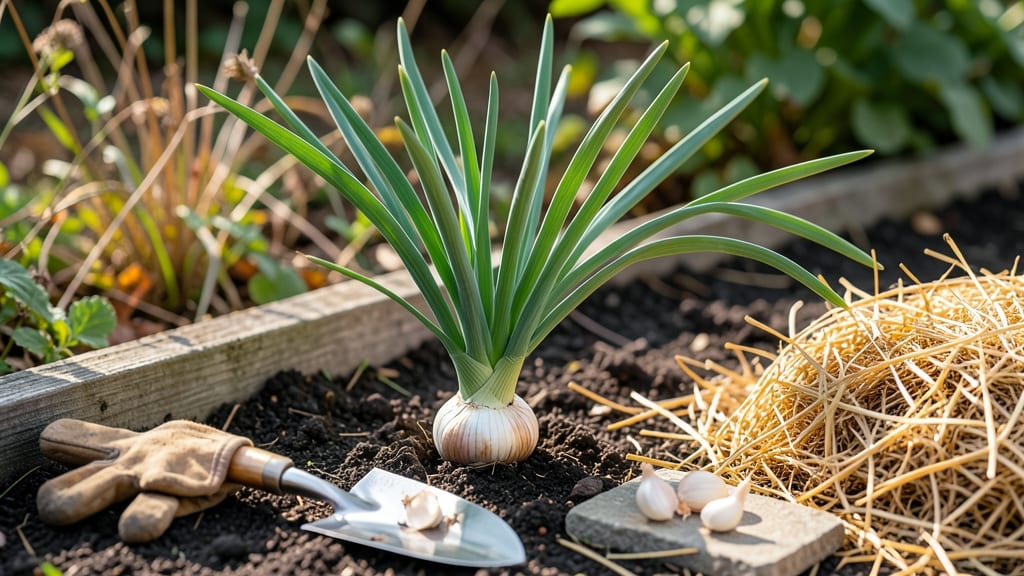
Planting garlic in South Texas means timing it right to avoid summer heat and winter freezes—aim for late October through November when soil temps drop below 80°F.
South Texas gardeners know timing is everything—and planting garlic at the wrong time means poor yields or no harvest at all. But with the right schedule, you can grow hardneck and softneck varieties even in the heat, avoiding frost entirely.
The 9a-10a climate gives you a narrow window to get it right.
Why does this matter? Garlic planted too early bolts in the summer sun, while late plantings won’t mature before the next harvest season. The best window balances cool soil and warm days, ensuring strong roots before winter.
Here’s what you’ll learn: the exact planting months for zero-frost success, how to prep your soil for South Texas’ unique mix of clay and sand, and care tips to keep your 🧄 thriving through the winter months.
Optimal planting months for garlic in South Texas (with frost-free guarantees)
South Texas gardeners enjoy a unique advantage with garlic cultivation—our warm winters eliminate frost risks entirely. Unlike northern growers, we can plant garlic in late fall through early winter and still achieve full bulb development before summer heat arrives.
The key? Timing your planting to align with soil temperatures and daylight hours rather than frost dates.
In USDA Zones 9a-10a, garlic thrives when planted between October and December, with October-November offering the sweet spot for most varieties. Hardneck garlic, which produces scape shoots, benefits from cooler winter temps, while softneck varieties like Silverskin tolerate warmer winters better.
Let's break down the best windows for each region.
Rio Grande Valley gardeners (Zone 10a) can plant garlic as late as December without frost concerns, while Hill Country growers (Zone 9a) should aim for October-November to avoid summer bolting. Soil temperatures below 70°F trigger root growth, so wait until nighttime temps consistently drop below this threshold.
Here's how each planting window compares for hardneck vs. softneck varieties:
| Planting Window | Hardneck Varieties | Softneck Varieties | Soil Temp | Key Consideration |
|---|---|---|---|---|
| October | ✅ Best | ✅ Excellent | 60-70°F | Longest bulb development |
| November | ✅ Good | ✅ Good | 55-65°F | Balanced growth |
| December | ⚠️ Risky | ✅ Tolerable | 50-60°F | Smaller bulbs |
| January | ❌ Avoid | ❌ Avoid | Below 50°F | Stunted growth |
For Rio Grande Valley gardeners, December planting works well for softneck varieties like Artichoke or Silverskin, which store better and handle warmer winters. In contrast, Hill Country growers should prioritize October-November planting for hardnecks like German White or Rocambole, which need cooler winter temps to form bulbs properly.
When planting in December, focus on softneck garlic varieties that mature more quickly. These varieties can handle the warmer winter soils and still produce decent-sized bulbs by spring. However, expect smaller yields compared to October plantings, as the growing season is shorter.
One critical factor in South Texas is avoiding summer heat stress. Garlic planted too late may bolt prematurely when temperatures rise above 85°F in spring. To prevent this, choose early-maturing varieties like 'Creole' or 'California Early' if you must plant in December.
For hardneck varieties, October planting gives you the best chance for large bulbs and scape production. The cooler winter temps help develop the clove base while the scapes form in spring.
In Hill Country, where nights can dip below 40°F, October planting ensures proper vernalization (cold treatment) needed for bulb formation.
Always plant garlic in well-draining soil with organic matter to prevent rot. In South Texas's clay-heavy soils, amend with compost or sand to improve drainage. Mulch heavily with straw or leaves to maintain moisture and temperature stability during our unpredictable winters.
Remember, garlic needs 6-8 hours of sunlight daily, so choose a south-facing location with minimal shade. In urban areas, container growing works well—just ensure pots have drainage holes and use a lightweight potting mix to prevent waterlogging.
South Texas garlic varieties that thrive without frost (and how to choose)
Choosing the right garlic variety for South Texas is key to avoiding summer bolting and ensuring bulb maturity. Since we don’t get frost, we focus on heat-tolerant types like 'Silverskin' and 'German White'.
These varieties handle our 90°F+ temperatures better than traditional cold-weather types, giving you reliable harvests in April-May.
Softneck varieties like 'Silverskin' store longer and thrive in our humid climate, while hardnecks like 'German White' offer bold flavor but need consistent moisture. Each type has unique planting depth and spacing requirements—critical for avoiding competition in our sandy soils.
Heat tolerance is your top priority. 'Silverskin' handles 95°F+ better than most, while 'German White' prefers 85-90°F days. Bulb size varies too: 'Silverskin' yields 2-3 inch bulbs, but 'German White' can reach 3-4 inches with proper care.
| Variety | Type | Heat Tolerance | Bulb Size | Flavor | Planting Depth |
|---|---|---|---|---|---|
| Silverskin | Softneck | 95°F+ | 2-3" | Mild | 2" deep |
| German White | Hardneck | 85-90°F | 3-4" | Bold | 3" deep |
| Artichoke | Softneck | 90°F+ | 1.5-2.5" | Mild | 2" deep |
For planting depth, softnecks like 'Silverskin' go 2 inches deep, while hardnecks like 'German White' need 3 inches to anchor in our sandy soils. Spacing matters too: keep plants 6 inches apart in rows 12 inches apart to prevent competition for water.
Flavor profiles differ too. 'Silverskin' has a mild, sweet taste perfect for long-term storage, while 'German White' delivers bold, pungent flavor ideal for cooking. If you love garlic scapes, hardnecks produce them—great for pesto or stir-fries!
My top recommendation for South Texas is 'Silverskin' for beginners—it’s heat-tolerant, stores well, and forgives irregular watering. For flavor lovers, 'German White' is worth the extra care. Just remember: plant in October for spring harvests, and mulch heavily to retain moisture.