
Plants
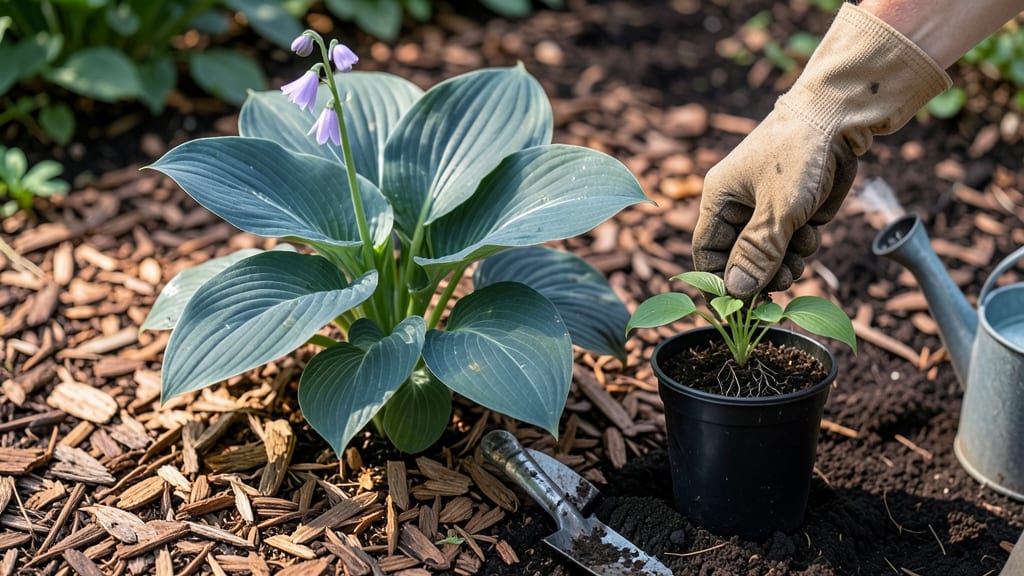
Planting hostas in Texas at the right time means the difference between lush, thriving foliage and sad, sun-scorched leaves by summer.
Texas gardeners know the struggle—plant hostas too early, and they bolt in brutal summer heat; too late, and they struggle to establish roots before winter. Timing is everything for zero-bolt survival.
In USDA zones 8a-10b, the best window for planting 🌿 is early fall—September through October—when soil stays warm enough for root growth but temperatures haven’t yet hit their peak. This gives hostas a head start before winter dormancy sets in.
Below, I break down the exact planting schedule by region, soil prep secrets to beat Texas heat, and why container planting might be your best bet in urban areas. Let’s get those hostas off to the strongest start.
Texas hosta planting zones: heat tolerance by region
Texas gardeners face unique challenges when planting hostas—our USDA zones 7-10 create dramatic differences in heat tolerance. In North Texas (zone 7-8), cooler winters and scorching summers demand precise timing, while South Texas (zone 9-10) offers milder winters but requires protection from relentless summer heat.
Understanding these regional differences is key to preventing leaf scorch and bolting.
Hostas thrive in partial shade, but Texas's intense sun can turn their leaves crispy within weeks if planted at the wrong time. The secret? Plant when soil temperatures stay below 75°F—typically early spring (March-April) or early fall (September-October).
This timing lets roots establish before summer's brutal heat arrives.
Here’s how heat thresholds vary by region—and what it means for your planting schedule:
| Region | USDA Zone | Ideal Planting Window | Heat Threshold (°F) | Key Challenge |
|---|---|---|---|---|
| North Texas | 7a-8b | March 15–April 15 | Below 85°F | Late frosts + summer bolting |
| Central Texas | 8a-9a | February 28–March 31 | Below 80°F | Rapid summer heat buildup |
| South Texas | 9b-10b | September 1–October 15 | Below 75°F | Humidity + prolonged heat |
| Urban Areas | 7a-10a | Container planting year-round | N/A (controlled) | Heat island effect |
In North Texas, where last frosts can linger until mid-March, aim to plant after April 1 to avoid frost damage. The region’s 85°F threshold means hostas planted in May will likely bolt by June.
For Central Texas, the window narrows to late February–March—any later, and soil temperatures climb too fast for root establishment.
South Texas gardeners have the most flexibility with fall planting (September–October), but even here, hostas need afternoon shade to survive summer. Our team once lost a Blue Angel hosta in zone 10 because we planted it in May—within weeks, the leaves turned crispy from 100°F+ heat.
For urban gardens, container planting is your best bet. Pots let you move hostas to shadier spots during peak heat (11 AM–3 PM) or even bring them indoors during summer.
We’ve had success with 10-gallon containers filled with moisture-retentive mix (50% peat, 30% perlite, 20% compost) to mimic Texas’s clay-heavy soils.
Pro tip: Test soil temperature with a soil thermometer before planting. Hostas prefer 60–70°F soil—any warmer, and roots struggle to absorb moisture. In zone 9+, we often plant in late afternoon to reduce midday heat stress on young transplants.
Remember, mulching is non-negotiable in Texas. A 3-inch layer of shredded bark keeps roots cool and retains moisture. Without it, hostas in full sun will wilt by June, no matter how well you time your planting.
🌿
Step-by-step fall planting schedule for Texas hostas
Fall is the perfect window to plant hostas in Texas, giving them time to establish roots before winter dormancy. Unlike spring, fall avoids bolting risks from sudden heat spikes.
In Texas, aim for September through mid-October—just before soil temperatures dip below 60°F. This schedule balances root growth with protection from late-season heat.
Texas's diverse climate means timing varies slightly by region. North Texas gardeners should plant late September to early October, while Central and South Texas can extend until mid-October. Always check your last frost date—hostas need 6-8 weeks to root before winter chill sets in.
For example, Dallas gardeners should plant by October 15, while Houston can push to November 1.
🌿 Texas Hosta Fall Planting Checklist
- 📅 September 15-30: Prepare soil by amending with 3 inches of compost and 1 inch of organic mulch. Test soil pH (ideal: 6.5-7.5).
- 🌱 Late September: Purchase bare-root or container-grown hostas from local nurseries. Choose varieties with thick leaves (e.g., 'Blue Angel' or 'Francee') for Texas heat tolerance.
- 🏡 Early October: Dig holes twice as wide as the root ball and 1 inch deeper. Space plants 18-36 inches apart (depending on mature size).
- 💧 Planting Day: Water deeply before planting to settle soil. Place hostas so crowns sit just below soil level. Backfill with native soil and tamp gently.
- 🌡️ October 15-November 1: Apply 3 inches of mulch (straw or shredded bark) to retain moisture. Use shade cloth (30-50%) if late-season heat spikes above 85°F.
- 🌧️ Post-Planting: Water 2-3 times per week for the first month, then taper to weekly. Avoid overhead watering to prevent fungal diseases like slime mold.
Protecting young hostas from Texas's unpredictable late-season heat is key. If temperatures hover above 85°F after planting, use shade cloth or plant in morning sun only areas. Container hostas dry out faster—check soil moisture daily and water at the base of the pot to avoid leaf burn.
In urban areas, reflective heat from pavement can stress plants, so prioritize elevated beds or raised planters.
Fertilizing in fall encourages root growth before dormancy. Apply a balanced 10-10-10 fertilizer at planting and again in early November (use half-strength). Avoid high-nitrogen fertilizers, which promote leafy growth over roots.
For organic options, try fish emulsion or compost tea—both boost microbial activity in Texas's often clay-heavy soils.
Monitor for pests like slugs and snails, which thrive in Texas's humid fall weather. Set up beer traps or use copper barriers around new plantings. Prune any yellowing leaves (a sign of stress) but leave healthy foliage to photosynthesize until the first frost.
By December, hostas will enter dormancy—reduce watering to monthly and remove mulch to prevent rot during winter rains.
With this schedule, your hostas will emerge in spring vibrant and established, ready to thrive in Texas's partial shade. The key? Cool soil, consistent moisture, and smart protection—three things fall planting delivers perfectly. Happy digging! 🌱