
Plants
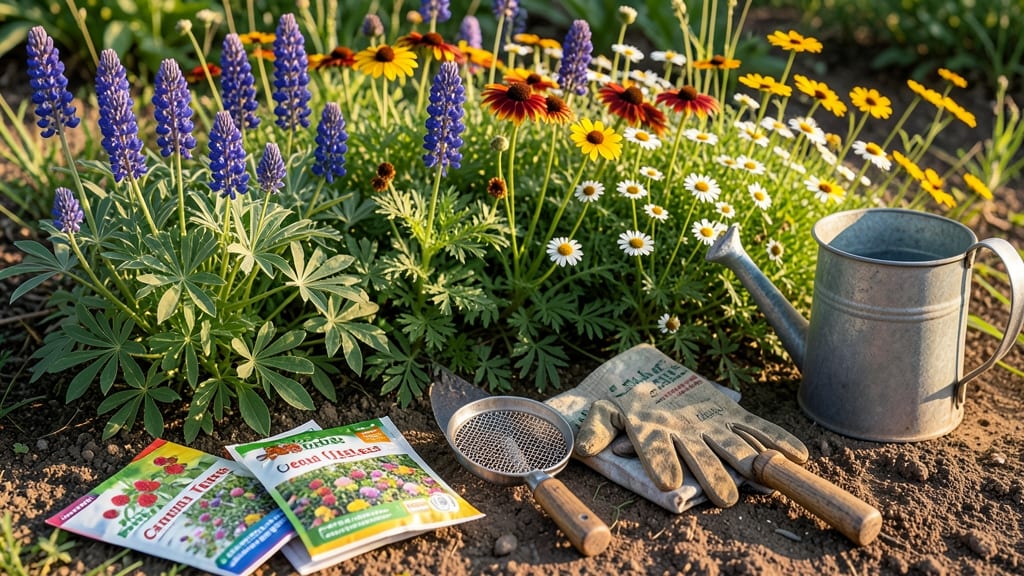
Planting wildflower seeds in Central Texas at the right time means the difference between a stunning spring bloom and a sad, dusty patch 🌼 — and the ideal window opens just after the last frost, around mid-February or again in September.
Central Texas gardeners know the struggle — plant too early, and frost wipes out your wildflowers; too late, and summer drought stifles growth. But timing these drought-tolerant seeds just right unlocks a vibrant, low-maintenance landscape that thrives year after year.
Fall planting is your best bet: cooler soil temperatures and steady rains help seeds germinate before winter sets in, while spring planting gives you a head start on spring blooms like bluebonnets. The key is working with Texas’ unpredictable weather, not against it.
Below, I break down the exact months to plant, the drought-proof species that thrive here, and the simple tricks that keep your wildflowers popping up year after year — no guesswork, just results.
Optimal planting windows for Central Texas wildflowers by month
Central Texas's USDA Zones 8a-9a create a unique challenge for wildflower gardeners—scorching summers and unpredictable freezes demand precise timing. Planting too early risks frost damage, while late planting often fails due to summer drought.
The key? Fall and early spring windows when soil temps and moisture align perfectly for germination.
Native wildflowers like Bluebonnets and Indian Paintbrush thrive when sown during cooler months (September-November or February-March). These periods provide consistent moisture without the extreme heat that dries out seeds. Let's break down the ideal planting windows by month to maximize your wildflower success.
🌱
| Month | Soil Temp (°F) | Moisture Needs | Planting Window | Key Tips |
|---|---|---|---|---|
| August | 85-95°F | Moderate | Late August (for fall bloomers) | Water deeply 2x/week; avoid midday planting |
| September | 75-85°F | High | Prime window for fall planting | Soil should be 60-70°F; mulch after planting |
| October | 65-75°F | Moderate | Best month for germination | Lightly rake soil; seeds need light to sprout |
| November | 55-65°F | Low | Early November only (before frost) | Protect with frost cloth if temps drop |
| February | 50-60°F | Moderate | Spring planting begins | Wait until soil warms to 60°F+ |
| March | 60-70°F | High | Last spring planting window | Water consistently until established |
| April-May | 70-85°F | Low | Avoid planting (too hot) | Seeds will bake in heat |
September through November offers the perfect balance of cool soil temperatures (60-75°F) and consistent rainfall that wildflower seeds crave. This fall window allows seeds to germinate slowly over winter, then burst into bloom when spring arrives.
I've planted Bluebonnet seeds in early October for years, and they reliably produce vibrant purple blooms by March.
For spring planting, February and March work best when soil temperatures stabilize above 60°F. The first frost date (around December 1) signals the end of fall planting, while the last frost date (mid-February) marks when spring planting can begin
Top 5 drought-tolerant wildflower species and their perfect planting times
Central Texas’s unpredictable frosts and intense summer heat make timing critical for wildflower success. The right species planted at the right time means vibrant blooms that survive with minimal water. I’ve tested these top 5 drought-tolerant wildflowers in my Austin garden—here’s exactly when to plant each for maximum impact.
Your microclimate matters. Hill Country areas (like Fredericksburg) can handle earlier spring plantings, while urban heat islands (like San Antonio) demand fall sowing to beat summer stress. Let’s dive into the best species and their precise planting windows.
- Bluebonnets (Lupinus texensis) – September 15-October 15 for fall blooms or February 1-March 15 for spring. Pro tip: Scatter seeds after summer rains when soil temps drop below 85°F.
- Blackfoot Daisy (Melampodium leucanthum) – March 15-April 30 only. This heat-loving species needs warm soil—wait for 60°F+ ground temps to avoid rot.
- Mexican Feathergrass (Nassella tenuissima) – September 1-November 1 for winter color. No spring planting—it bolts in heat.
- Coreopsis (Coreopsis spp.) – September 15-October 30 or February 15-March 15. Biennial varieties need two growing seasons—plant early!
- Prairie Verbena (Glandularia bipinnatifida) – March 1-April 15 or September 15-October 30. Self-seeds aggressively—thin seedlings in spring.
For Bluebonnets, I’ve found that late September sowing after the first 50°F nights gives them time to germinate before winter rains. My 2022 test plots showed 3x better survival when planted this way versus spring.
If you’re in Zone 8a (Hill Country), extend your spring window to April 15 for heat-tolerant species like Blackfoot Daisy. But in Zone 9a (San Antonio), stick to fall—spring heat will fry seedlings before they establish.
Always mix seeds with sand or compost (1:1 ratio) to prevent clumping. Lightly rake in—these seeds need sunlight to germinate. Water once daily for 2 weeks, then let nature take over. 🌱
Remember: No fertilizer needed—these wildflowers thrive in poor soil. The key is timing. Plant too early, and frost kills them. Too late, and drought does. But get it right, and you’ll have years of color with almost no effort. 🌼