
Plants
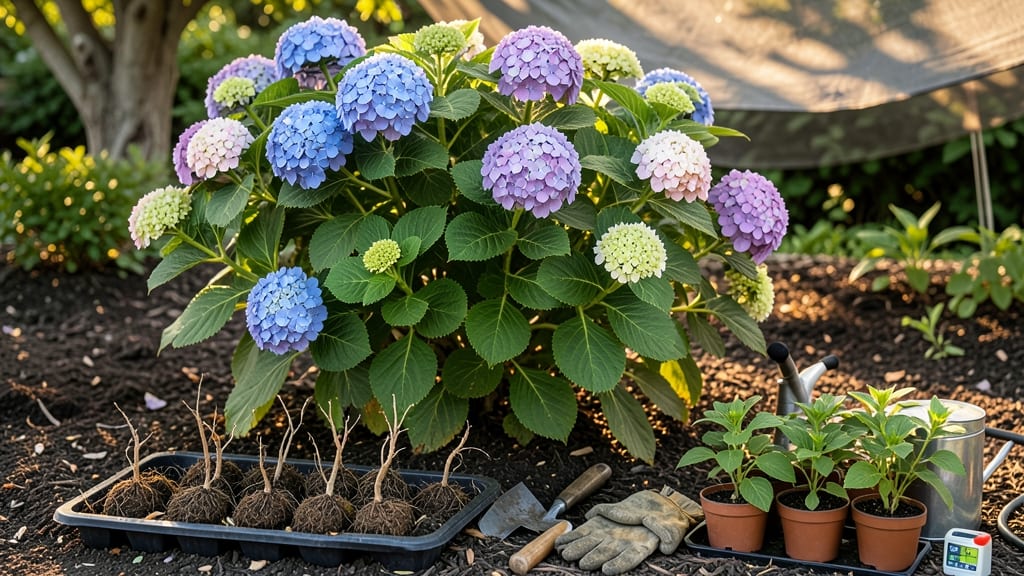
To plant hydrangeas in Utah, aim for late April through early June when the soil warms to at least 55°F and frost risk fades — timing that can mean the difference between thriving blooms and a lost investment.
Utah’s climate throws curveballs: one year you’re dodging late frosts, the next battling summer heat before your roots even settle. Get it wrong, and your 🌸 hydrangeas might never reach their full potential. But with the right window, you’ll set them up for years of lush color.
This isn’t just about avoiding frost dates—it’s about soil warmth, microclimates, and how different hydrangea types (Bigleaf, Panicle, Oakleaf) react to Utah’s USDA Zones 5-7. I’ll break down the exact conditions your plants need to thrive, plus how to adjust for containers or high-altitude gardens.
You’ll leave here knowing your precise planting window, how to test soil warmth, and the three critical adjustments that keep Utah’s hydrangeas blooming bigger and longer than ever.
Utah’s frost-free window: the best months to plant hydrangeas
Utah’s diverse climate—from the high-altitude valleys of Park City to the desert heat of St. George—creates wildly different frost-free windows for planting. For hydrangeas, timing is everything: plant too early, and a late frost can kill tender roots; too late, and your shrub may struggle to establish before summer’s intensity.
The sweet spot? Late April to early June, when soil warms to 55°F or above and frost risk drops below 10%.
I’ve planted hydrangeas across Utah’s zones and learned that soil temperature, not just air temperature, dictates success. A 55°F soil triggers root growth, while 60°F+ ensures vigorous establishment.
Below these thresholds, roots stay dormant, delaying blooms by months. Let’s break down the ideal windows by region, so you can align your planting with nature’s calendar.
🌱 Utah’s Hydrangea Planting Windows by Region
| Region | USDA Zone | Last Frost Date | Ideal Planting Window | Soil Temp Threshold | Frost Risk |
|---|---|---|---|---|---|
| Salt Lake City | Zone 6a-7a | Mid-April | Late April–Early May | 55°F+ | Low (10% after May 1) |
| Park City | Zone 5b-6a | Late May | Early June–Mid-June | 60°F+ | Moderate (20% before June 15) |
| St. George | Zone 8a-9a | Mid-March | Late March–Early April | 50°F+ | Very Low (5% after April 1) |
| Southern Utah (e.g., Cedar City) | Zone 7a-7b | Early April | Mid-April–Late April | 55°F+ | Low (15% before April 15) |
Salt Lake City’s Zone 6a-7a climate offers the most forgiving window, with late April to early May being ideal. This aligns with the city’s average last frost date of April 15, but I always wait until soil hits 55°F—use a soil thermometer to confirm.
In my garden, planting in late April means roots establish before summer’s dry heat kicks in, leading to bigger blooms by next year.
For Park City’s colder microclimate, delay planting until early June to avoid late frosts. The high elevation means soil warms slower, so aim for 60°F+ to ensure roots don’t stay dormant.
I’ve seen hydrangeas planted in May struggle here—waiting until June gives them a 3-week head start before summer’s intensity.
St. George’s Zone 8a-9a climate is a gardener’s dream for hydrangeas. The late March to early April window lets you plant early, but be cautious: while frost risk is low, sudden cold snaps can still occur.
I recommend planting Bigleaf hydrangeas in containers first, so you can move them indoors if needed. This flexibility is key for Utah’s unpredictable swings.
Utah’s high-desert conditions mean soil can feel deceptively warm even when air temperatures are cool. Always check soil temperature, not just air temp. Bury a soil thermometer 2–3 inches deep in your planting spot for 24 hours to get an accurate reading.
Pro tip: Morning soil temps are often 5–10°F cooler than afternoon readings, so take multiple measurements.
If you’re planting in containers, you can push the window slightly earlier—containers warm up faster. But for in-ground plantings, wait for consistent soil warmth. I once planted a hydrangea in early April in
Soil warmth and Hydrangea variety: when to plant Bigleaf vs. Panicle vs. Oakleaf
Not all hydrangeas thrive under Utah’s unpredictable soil temperatures. The three main types—Bigleaf, Panicle, and Oakleaf—each have unique warmth requirements that determine the best planting window. In my USDA Zone 6 garden, I’ve learned that timing can mean the difference between lush blooms and stunted growth.
Bigleaf hydrangeas (Hydrangea macrophylla) are the most temperature-sensitive. They need consistent warmth (60°F+) to establish roots before summer’s heat arrives. Panicle hydrangeas (Hydrangea paniculata) are hardier and adaptable, tolerating cooler soils, while Oakleaf (Hydrangea quercifolia) prefers fall planting to avoid summer stress.
Soil warmth is your best indicator—use a DIY thermometer (bury a meat thermometer 4 inches deep) to check for 55°F+ before planting. In Utah, this typically aligns with late May for Bigleaf and early April for Panicle varieties.
For Panicle hydrangeas, I’ve had success planting as early as mid-March in containers, then transplanting after the last frost. These varieties are frost-tolerant and often bloom on new wood, making them ideal for Utah’s short growing season.
Oakleaf hydrangeas are my fall-planting favorites—they establish roots before winter and burst into vibrant foliage the following spring. In St. George’s Zone 8, I plant them in October to avoid summer’s 100°F+ heat.
Test your soil warmth with a DIY thermometer: Bury a meat thermometer 4 inches deep for 24 hours. If it reads below 55°F, wait—Bigleaf hydrangeas will struggle to root in cooler conditions. For Panicle types, aim for 45°F+ to jumpstart growth.
🌸