
Plants
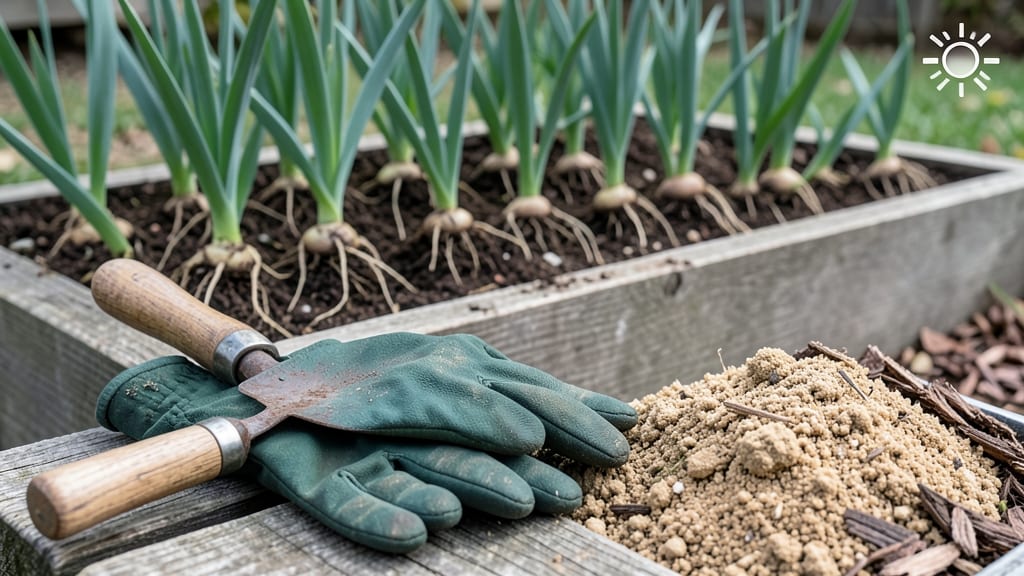
Planting iris bulbs in Tennessee during early fall to mid-autumn sets them up for vibrant blooms next spring, but timing is everything.
Tennessee’s mild winters and humid summers create the perfect growing conditions for irises—but planting them at the wrong time can mean weak blooms or no flowers at all. Mastering the ideal fall window for iris bulbs in Zone 7a-8a ensures vibrant, long-lasting blooms year after year.
If you’ve ever waited until late fall only to watch your 🌸 iris rhizomes rot in soggy soil, you know how critical the right timing is. The key lies in planting before the ground cools too much, but not so early that new growth gets fried by summer heat.
In this guide, I’ll break down the 6-week window for planting iris bulbs in Tennessee, including soil prep tips, regional adjustments for East vs. West Tennessee, and how to avoid common mistakes that lead to poor blooming.
Best fall planting window for Tennessee iris bulbs (Zone 7a-8a)
I’ve learned the hard way that timing is everything when planting iris bulbs in Tennessee. The 6-week window between mid-September and early November creates the perfect balance for root establishment before winter dormancy.
This period aligns with Tennessee’s Zone 7a-8a climate, where soil temperatures drop but frost hasn’t yet arrived. Planting outside this window risks bulb rot or weak blooms next spring.
Tennessee’s geography adds another layer of complexity. East Tennessee’s cooler microclimate (higher elevations) means you should plant 2-3 weeks earlier than in West Tennessee’s warmer valleys. For example, Chattanooga gardeners might aim for early October, while Nashville gardeners can extend planting until mid-November.
Always check your local average first frost date—typically mid-October in the mountains but late November in the western lowlands.
I always check soil temperature before planting—it’s the single most critical factor. Iris rhizomes need 55-75°F soil to establish roots. Use a soil thermometer to verify conditions. In Tennessee’s clay-heavy soils, temperatures drop faster than in sandy areas.
If your soil is below 50°F, wait 1-2 weeks or mulch heavily to insulate the planting site.
One common mistake I see is planting too early in August. While August is technically part of the "good months," the heat stresses rhizomes. Instead, wait until late August to early September when daytime highs drop below 85°F.
Early plantings also risk fungal diseases from prolonged soil moisture. Always plant when daytime temps average 75°F or lower.
On the flip side, planting too late (after mid-November) leaves rhizomes vulnerable to winter heaving when freeze-thaw cycles lift them from the soil. If you miss the window, hold bulbs in a cool, dry place (like a garage) until spring planting.
For late plantings, add 3-4 inches of mulch to protect rhizomes from temperature swings.
I’ve found that West Tennessee’s warmer climate allows for a longer window, but don’t push it. Even in Zone 8a, planting after early November risks poor root establishment. The key is to give rhizomes 6-8 weeks of warm soil before dormancy.
In my Nashville garden, I mark my calendar for October 15th as the absolute deadline—any later, and I see weaker blooms the following spring.
Proper planting depth also affects timing. Iris rhizomes should sit half-exposed above soil—this prevents rot while allowing sunlight to reach the growth point. In Tennessee’s humid climate, this exposure helps prevent bacterial soft rot, a common issue with buried rhizomes.
After planting, water lightly to settle soil but avoid soggy conditions.
For East Tennessee gardeners, I recommend planting in raised beds if your native soil stays wet. The elevated beds warm faster in spring and drain better in fall.
Add coarse sand or perlite to heavy clay soils to improve drainage. This adjustment lets you plant 1-2 weeks earlier than in ground-level beds, extending your window.
Finally, don’t forget to divide established clumps in early fall (September) before planting new rhizomes. Overcrowded irises produce fewer blooms. Dig up clumps when foliage yellows (late summer), separate the rhizomes, and plant the strongest ones immediately. This fall maintenance ensures vibrant blooms next spring.
🌸How to prepare Tennessee soil for fall iris planting (step-by-step)
Tennessee’s clay-heavy soils can be a double-edged sword for iris bulbs—they retain moisture but often drain poorly, leading to root rot if not amended properly. To create the perfect well-draining, nutrient-rich bed for your irises, start by testing your soil’s pH level and structure.
Irises thrive in a slightly acidic to neutral range (6.0-7.0), but Tennessee’s native soils often lean alkaline.
Before digging, mark your planting area with wooden stakes to avoid disturbing the soil more than necessary. Irises need 6+ hours of sunlight daily, so choose a spot where they won’t be shaded by trees or structures.
If your yard has low-lying areas that collect water, avoid them—irises hate soggy roots.
✅ Tennessee Soil Prep Checklist for Irises
- 🔹 Test soil pH (aim for 6.0-7.0) using a home test kit or lab service
- 🔹 Break up clay with a broadfork to loosen compacted layers 12-18 inches deep
- 🔹 Amend with compost (50% soil, 50% aged compost) to improve drainage and fertility
- 🔹 Add perlite or sand (1 part perlite to 4 parts soil) if drainage is poor
- 🔹 Rake in bone meal (1 tbsp per planting hole) for phosphorus to boost root growth
- 🔹 Create mounds (6-inch high) in heavy clay to prevent water pooling around rhizomes
For heavy clay soils, mix in coarse sand or perlite to create air pockets that improve drainage. A simple DIY blend is 60% native soil, 30% compost, and 10% perlite. Work this mixture into the top 12 inches of soil where you’ll plant.
If your soil tests too alkaline, add elemental sulfur (1 lb per 100 sq ft) 2-3 months before planting to gradually lower the pH.
When digging planting holes, make them 3 times wider than the rhizome but only 4 inches deep. The top of the rhizome should sit just above soil level—burying it too deep can cause rot, while planting it too high may lead to weak stems.
Space rhizomes 12-24 inches apart depending on the variety (dwarf irises need less space).
After planting, mulch lightly with pine straw or shredded leaves (1-2 inches thick) to retain moisture without suffocating the rhizomes. Avoid heavy mulch like wood chips, which can compact and reduce drainage.
Water deeply once a week for the first month to help roots establish before tapering to bi-weekly watering in fall.
Finally, label your iris beds since they take 2-3 years to mature fully. Marking them now saves future headaches when you’re admiring those vibrant blooms in spring!
With these prep steps, your Tennessee irises will have the perfect foundation to thrive through winter and burst into color next season. 🌸