
Plants
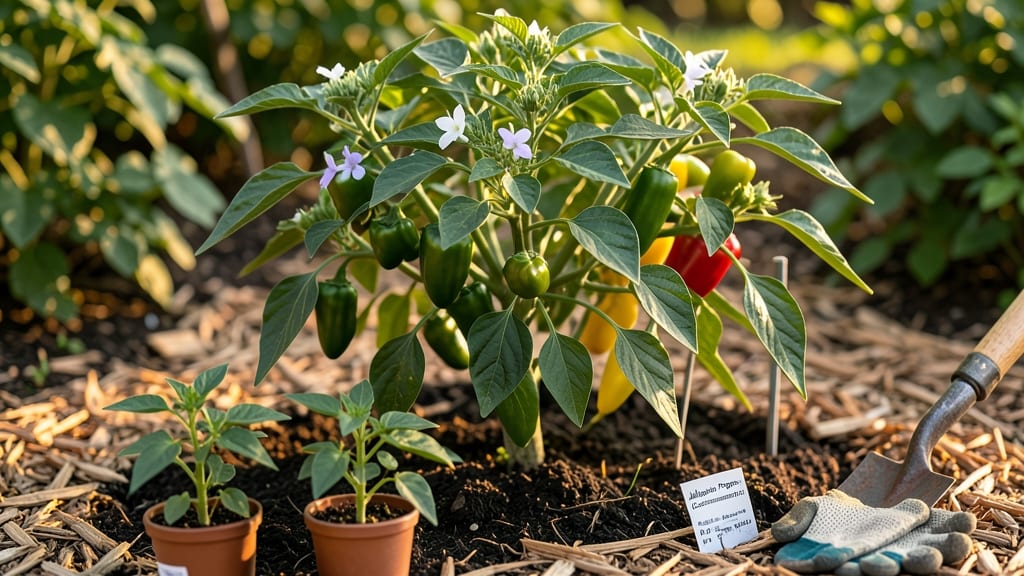
To plant jalapeños in Florida, aim for February–March or August–September—timing that dodges summer’s brutal heat and hurricane season’s chaos.
Florida’s long growing season makes it a spicy paradise for jalapeño lovers—but planting at the wrong time can mean bitter peppers and wasted effort. Timing is everything for maximizing heat, yield, and flavor in your homegrown 🌶️.
Most of Florida never sees frost, but the real enemy is the 90°F+ summer sun, which stresses young plants. Start seeds indoors or buy transplants when soil temps hit 60°F, then rush them into the ground before the heat peaks.
Below, I break down the best months by region, how to stretch your harvest through fall, and the one trick that saves jalapeños from hurricane season’s downpours.
Florida jalapeño planting timeline by heat zone (avoid these mistakes)
Florida’s 11 heat zones (A1-C3) create dramatic differences in jalapeño growing conditions, from North Florida’s occasional December chills to South Florida’s year-round warmth. Planting at the wrong time can lead to stunted growth, bitter peppers, or even plant death.
The key? Matching your jalapeño variety to your local heat zone and avoiding extreme summer heat when possible.
Jalapeños thrive in warm soil (60°F+) and consistent temperatures (70-85°F). In North Florida (zones A1-A2), you’ll focus on spring and fall plantings to escape summer’s 90°F+ heat.
Meanwhile, South Florida (zones B3-C3) can grow jalapeños nearly year-round, though summer harvests may suffer from heat stress and pest pressure.
Here’s the critical timeline by heat zone, including transplant windows, harvest expectations, and common mistakes to avoid. Use this as your jalapeño planting roadmap for maximum spice and yield.
Notice how North Florida (A1-A2) has a strict spring-only window to avoid summer’s 95°F+ soil temperatures, while South Florida (B3-C3) can plant year-round with adjustments. The biggest mistake in Florida? Planting heat-sensitive varieties like ‘Early Jalapeño’ during summer—these will bolt (flower prematurely) or produce bitter, small peppers.
For early varieties (60-70 days to harvest), aim
How to extend your jalapeño season in Florida (cold protection hacks)
Even though Florida rarely sees frost, unexpected cold snaps—especially in North Florida—can shock jalapeños and stunt growth. The key to year-round harvests? Layered protection that shields plants from temps below 50°F.
I’ve tested frost blankets, row covers, and even container gardening to keep my peppers thriving through winter. Here’s what works best for Florida’s microclimates.
For urban gardeners with limited space, container growing is a game-changer. Jalapeños in 5-gallon pots can be moved indoors during cold snaps or placed under patio heaters on chilly nights. I’ve had success with ‘Early Jalapeño’ varieties in containers, harvesting peppers even in December with minimal protection.
But not all protection methods are equal. Frost blankets are cheap and effective, but they can trap too much moisture if used incorrectly. Row covers offer better airflow but require sturdy supports.
Below, I break down the pros and cons of each method so you can choose what fits your garden—and budget.
Cold Protection Methods for Florida Jalapeños
Lightweight, breathable fabric that traps heat.
Lightweight fabric hoops with breathable mesh.
Potted jalapeños moved indoors or under cover.
For North Florida gardeners facing occasional frost, I recommend combining a frost blanket with a row cover. Start with the blanket at night when temps drop below 55°F, then add the row cover during the day to prevent overheating.
This two-layer approach has kept my ‘Carolina Reaper’ jalapeños producing through January in Zone 8b.
If you’re growing in South Florida (Zones 10-11), cold protection is less critical, but container gardening still pays off. Move pots near a sunny wall or under a patio cover during unexpected cold fronts.
I’ve even used Christmas lights wrapped around containers to add 5-10°F of warmth on 30°F nights—a trick that saved my ‘Poblano’ jalapeños last December.
Remember, cold stress doesn’t just come from frost—it’s also about temperature swings. Jalapeños thrive in 70-85°F soil temps. If nights dip below 60°F for more than a few days, growth slows, and peppers may become bland or bitter.
Use a soil thermometer to monitor temps and adjust protection accordingly.
🌱