
Plants
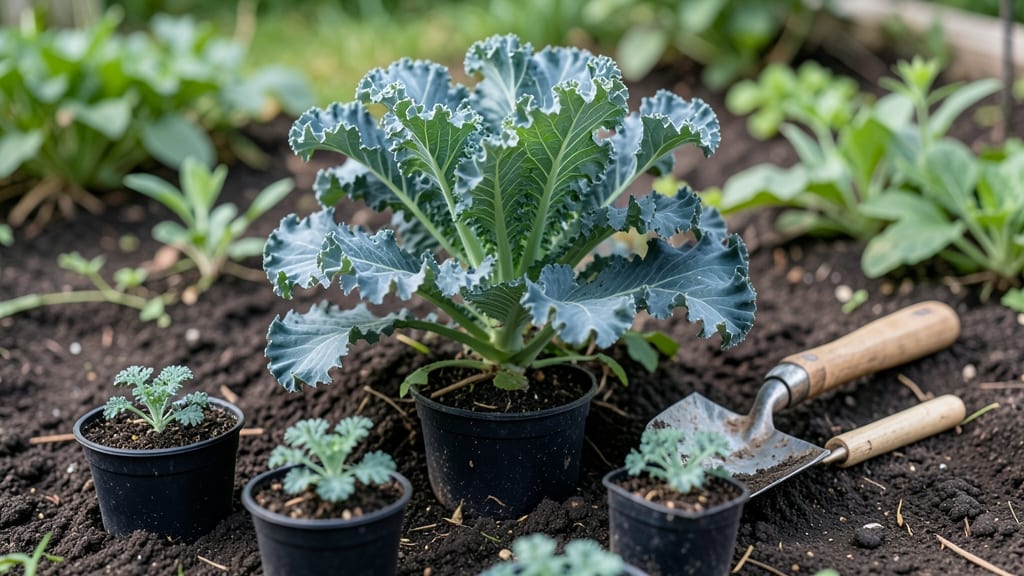
Planting kale in Zone 7 at the right time means the difference between tender, sweet harvests and bitter, bolted disappointment — and the perfect window is narrower than you think.
Kale lovers in Zone 7 know the frustration of bolting plants unless you time your planting just right. The secret to sweet, tender kale all season lies in mastering soil temperatures and seasonal windows.
Spring plantings must wait until soil warms to 45°F after your last frost (usually mid-March), while fall crops thrive when days cool but nights stay above 50°F (August-September). Miss these marks, and you risk either stunted growth or premature flowering.
Below, I break down the exact planting dates for Zone 7, soil temperature tricks to prevent bolting, and how to stretch your harvest with succession planting — so you can enjoy crisp, flavorful 🥬 from spring through fall.
Zone 7 kale planting calendar: best months for fall and spring crops
Timing your kale planting in Zone 7 can mean the difference between tender, sweet harvests and bitter, bolted disappointment. The key? Planting when soil temperatures stay between 45°F and 75°F—this sweet spot prevents bolting while maximizing growth.
In Zone 7, that means two prime windows: early spring and late summer/fall.
Spring plantings give you summer harvests, while fall plantings extend your season until winter. Missing these windows? You risk heat stress in summer or frost damage in late fall. Let's break down the exact months and soil conditions for success in your garden.
For spring plantings, aim to sow seeds 4-6 weeks before your last frost date (typically March 15 in Zone 7). This gives seedlings time to establish roots before soil warms. If you plant too early, cold soil can stunt growth, while planting too late risks bolting as temperatures rise.
My late summer/fall plantings (August-September) are my favorite—they yield sweeter kale after light frosts. Start seeds indoors 4-6 weeks before transplanting to avoid heat stress. Use shade cloth if daytime temps exceed 80°F to keep soil cool and prevent bolting.
Did you know? Fall kale actually tastes better after a light frost. The cold converts starches to sugars, making leaves sweeter. Just avoid heavy freezes (20°F or below) that can damage plants. Use row covers if frost threatens before harvest.
Pro tip: Soil temperature matters more than air temperature. Use a soil thermometer ($10 at garden centers) to check depths of 2-4 inches. If temps drop below 45°F, delay planting until conditions improve. Warm soil speeds germination and growth.
For succession planting, sow new seeds every 2-3 weeks from spring through early fall. This ensures a continuous harvest and prevents gaps in your garden. Choose bolt-resistant varieties like 'Winterbor' or 'Red Russian' for longer production windows.
Remember: Zone 7 frost dates vary slightly by microclimate. Check your local USDA frost map and adjust planting dates by 1-2 weeks if you live in cooler (7a) or warmer (7b) pockets. A general rule: Plant 6 weeks before first frost for fall harvests.
With this planting calendar, you'll enjoy fresh kale from spring through winter—no bolting in sight! Start with one window, then expand as you gain confidence. Happy planting! 🌱
How soil temperature affects kale growth: the 45°F-75°F rule
Kale thrives when soil temperatures stay within the 45°F to 75°F range—this is its sweet spot for steady growth without bolting. Below 45°F, growth slows dramatically, while above 75°F, heat stress triggers premature flowering.
Understanding these thresholds helps Zone 7 gardeners avoid bitter, bolted plants and enjoy tender harvests.
Cold-hardy kale can tolerate brief dips to 25°F, but optimal growth occurs between 50°F and 65°F. When soil temps drop below 45°F, enzymatic activity slows, causing stunted development. Conversely, temperatures above 75°F disrupt photosynthesis, leading to rapid bolting—a gardener’s worst nightmare.
🔍 rating bar
To monitor soil temperatures accurately, use a soil thermometer (available for under $10). Insert it 2-3 inches deep—this matches kale’s root zone. Check temps morning and evening, as daily fluctuations can push kale out of its comfort zone.
For example, a 78°F afternoon might trigger bolting if nighttime temps stay above 65°F.
For spring plantings in Zone 7, aim for soil temps between 50°F and 65°F by planting 2-3 weeks after your last frost date (typically mid-March). In fall, start seeds when soil temps hover around 60°F (late summer) to ensure mature plants before winter.
Use black plastic mulch to warm soil faster in spring or straw mulch to cool it in summer.
Heat stress symptoms include yellowing leaves, stunted growth, and premature flowering. If temps climb above 75°F, provide 30-50% shade cloth to lower soil temps by 5-10°F. Varieties like 'Winterbor' tolerate cooler temps better than 'Red Russian', which bolts faster in heat.
By mastering these soil temperature rules, you’ll grow sweet, bolt-free kale all season—no more wasted seedlings or bitter harvests! Start with a soil thermometer, adjust planting times, and watch your kale thrive in Zone 7’s climate. 🌱