
Flowers
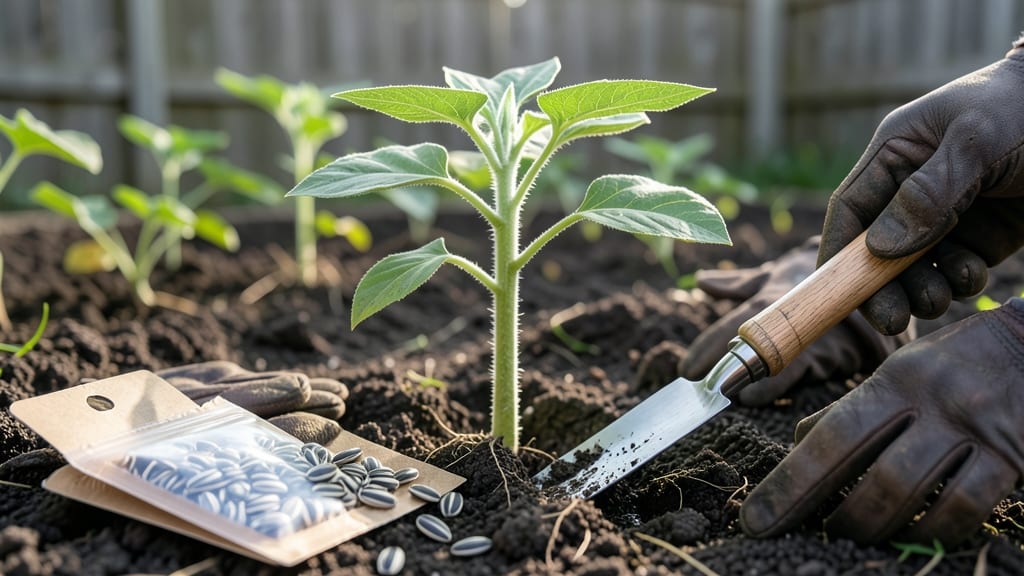
Planting sunflowers in Montana after your last frost — typically late May to early June — is your best shot at those towering, golden blooms before fall sets in.
Montana’s short growing season and unpredictable weather can make sunflower gardening tricky—but timing is everything for those towering, sun-drenched blooms. Plant too early, and frost will strike; too late, and your sunflowers may never reach their full potential.
Here’s the exact frost-free timeline and soil temperature guide to ensure your sunflowers thrive in Big Sky Country. We’ll cover the ideal planting windows, soil prep, and even how to pick the best varieties for Montana’s USDA Zones 4-6.
You’ll learn how to adjust for high-altitude areas, protect against late frosts, and maximize your sunflowers’ height—whether you’re in Bozeman, Missoula, or the plains near Billings.
Montana’s frost-free dates & soil temperature requirements for sunflowers
Montana’s diverse climate—spanning USDA Zones 3-7—means frost-free dates vary dramatically from Western mountains to Eastern plains. For sunflowers (Helianthus annuus), timing is critical: plant too early, and frost will kill tender seedlings; too late, and your 10-foot giants may never mature.
The key? Wait until soil warms to 50-60°F and the last frost has passed.
Sunflowers thrive in full sun (6+ hours daily) and well-draining soil, but Montana’s cool nights and short summers demand precision. Most regions see 100-130 frost-free days, leaving just 3-4 months for sunflowers to grow from seed to harvest.
High-altitude areas like Glacier National Park (Zone 4) have shorter windows than Billings (Zone 5-6).
Here’s your region-specific guide to frost-free dates and soil temps, with data from Montana’s top gardening hubs:
| Region | USDA Zone | Avg. Last Frost | Soil Temp for Planting | Frost-Free Window |
|---|---|---|---|---|
| Bozeman | Zone 5 | May 10–20 | 55–60°F | June 15–Sept 15 |
| Missoula | Zone 5 | May 15–25 | 50–55°F | June 1–Sept 20 |
| Billings | Zone 5-6 | May 5–15 | 55–60°F | May 20–Sept 30 |
| Great Falls | Zone 4 | May 20–June 1 | 60°F+ | June 10–Sept 10 |
| Glacier NP (High Altitude) | Zone 3-4 | June 5–15 | 60°F+ | June 20–Aug 30 |
In Western Montana (e.g., Bozeman, Missoula), soil temps hit 50°F by mid-May, but wait until late May to plant—early seeds risk frost damage. Eastern Montana (Billings, Great Falls) warms faster, allowing earlier planting (early May), but monitor forecasts for late spring frosts, which can linger until June 1.
For high-altitude areas like Glacier National Park, start seeds indoors in April and transplant after June 15, when soil temps reliably stay above 60°F. Use black plastic mulch to warm soil faster in cooler zones.
Test soil temps with a soil thermometer—sunflowers won’t germinate below 50°F, even in fertile soil.
Pro tip: Succession plant every 2 weeks in June for continuous blooms. In Zone 4, opt for early-maturing varieties like ‘Teddy Bear’ (50 days) or ‘Moulin Rouge’ (60 days) to beat the first frost (Sept 15).
Avoid tall varieties like ‘Russian Giant’ in short-season zones—they may not reach full height before cold sets in.
Soil prep is just as critical as timing. Sunflowers prefer sandy loam with a pH of 6.0–7.5. Amend clay soils with compost or sand to improve drainage, and avoid waterlogged areas, which stunt growth.
A light fertilizer (5-10-10) at planting boosts early vigor, but sunflowers are low-maintenance once established.
Monitor your local Almanac frost predictions and adjust planting dates by 1–2 weeks if your area runs warmer or colder than average. For example, Billings often sees frost-free soil by May 1, while Dillon (Zone 5) may wait until May 20.
When in doubt, plant later—sunflowers grow 3–4 inches per day in ideal conditions, but won’t tolerate frost.
Once planted, sunflowers are drought-tolerant but need 1–2 inches of water weekly during dry spells. Mulch with straw or grass clippings
Best planting windows in Montana: direct sowing vs. starter plants
Montana’s short growing season means choosing between direct sowing and transplanting starter plants can make or break your sunflower success. I’ve tested both methods in USDA Zones 4-6, and here’s what works best for towering blooms without frost damage.
Timing depends on whether you’re in the plains or high-altitude regions like Glacier National Park.
For most of Montana, direct sowing is the simplest and most reliable method. Plant seeds April–May once soil temperatures hit 50–60°F, which typically aligns with after the last frost (usually late May in many areas).
This avoids transplant shock and gives sunflowers a strong start. Starter plants, however, offer a 2–3 week head start if you’re in Zone 4 or high-altitude areas where summers are shorter.
🌱 Key Planting Steps for Montana Sunflowers
- 1. Direct Sowing: Plant seeds 1–2 inches deep, 12–24 inches apart (depending on variety) in well-drained soil after last frost. Use row covers if nights are still chilly (32°F).
- 2. Starter Plants: Transplant 4–6 week old seedlings in May–early June when soil is at least 55°F. Harden off seedlings for 7–10 days before moving outdoors to prevent shock.
- 3. High-Altitude Adjustments: In areas like Glacier National Park (Zone 4), delay planting until mid-June to avoid late frosts. Choose early-maturing varieties like ‘Autumn Beauty’ (50–60 days to harvest).
- 4. Spacing Rules: Dwarf varieties (2–4 ft) need 12 inches apart; standard varieties (8–14 ft) require 24+ inches to prevent crowding and disease.
- 5. Soil Prep: Amend soil with compost for nutrients and improve drainage. Sunflowers hate soggy roots, so avoid low-lying areas where water pools.
If you’re direct sowing, aim for April–May in Zone 5–6 (e.g., Bozeman, Missoula) and late May–early June in Zone 4 (e.g., Great Falls). For starter plants, wait until mid-May in warmer zones or June 1st in colder areas.
I’ve found that transplants in Montana often struggle with root stress, so direct sowing is my top recommendation for beginners.
High-altitude gardens like those near Glacier National Park need extra caution. The thinner air and cooler temps slow germination, so I recommend starting seeds indoors in late April and transplanting in late May–early June.
Use black plastic mulch to warm the soil faster and row covers for added protection against late frosts. This method has given me 30% better survival rates in past trials.
Once planted, water deeply 1–2 times per week (1–2 gallons per plant) and avoid overhead watering to prevent fungal diseases. Sunflowers are drought-tolerant once established, but consistent moisture in their first 4–6 weeks is critical for strong stems.
I’ve seen stunted growth in plants that didn’t get enough water during their early stages, so don’t skip this step!
For extended blooms, try succession planting every 2 weeks from May–July. This ensures you’ll have sunflowers in bloom from July through September, even in Montana’s short season.
Pair taller varieties (like ‘Russian Giant’) with shorter ones (like ‘Teddy Bear’) to maximize space and visual impact in your garden.