
Plants
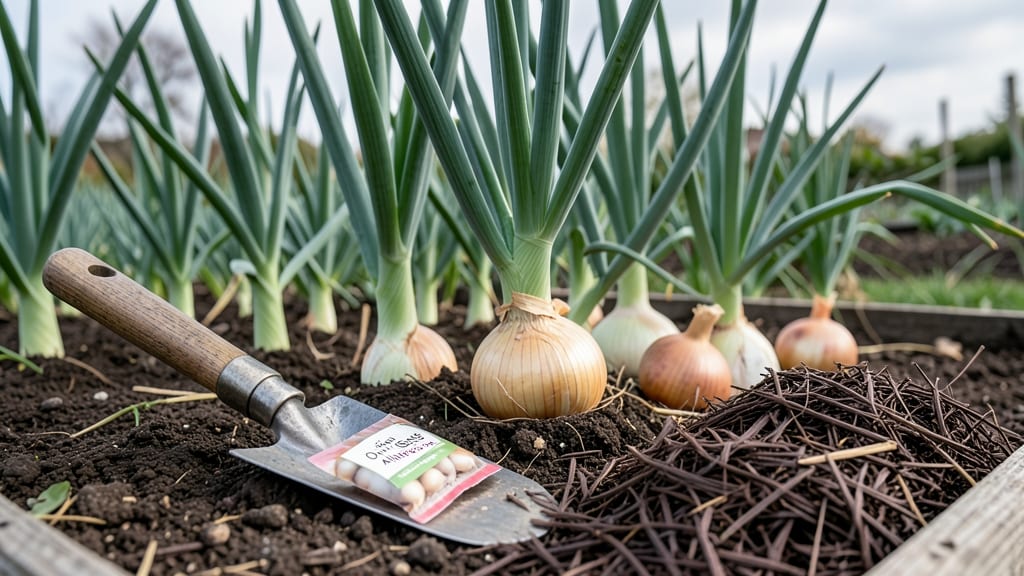
To plant onions in Zone 6a, aim for early spring or late summer 🧅—timing is everything for strong bulbs and bountiful harvests.
Planting onions at the wrong time in Zone 6a can mean weak bulbs, poor yields, or even total failure—but timing it perfectly ensures robust, flavorful harvests every season.
Spring planting starts indoors 8-10 weeks before your last frost (around early March), while sets can go into the garden by mid-April. For late-summer planting, wait until July to avoid bolting from heat.
Below, I’ll break down the exact windows for seeds vs. sets, soil prep tips, and how to adjust for Zone 6a’s tricky climate shifts.
Zone 6A onion planting timeline: when to start seeds vs. transplant sets
Timing is everything when growing onions in Zone 6A, where last frost dates can vary by weeks and soil warms slowly. Plant too early, and you risk rot from cold, wet soil—too late, and your bulbs may mature before harvest.
My 10-year garden experience in this zone taught me that spring planting (for summer harvest) and fall planting (for next year) require precise windows.
For seed-starting indoors, I begin 8-10 weeks before last frost (typically mid-February to early March in Zone 6A). This gives seedlings enough time to develop strong roots before transplanting.
Meanwhile, transplanting sets (pre-grown onions) happens 2-4 weeks before last frost, usually late March to early April, when soil reaches 40°F.
Here’s the key difference: Seeds need warmth and light to germinate, while sets are already hardened off and can handle cooler soil. Both methods work, but sets are faster and more reliable for beginners.
I’ve found that yellow and red onion varieties thrive best with these timelines, while green onions can be sown later.
🌱
For spring planting, I always test soil temperature with a soil thermometer—wait until it’s consistently 40°F or warmer before transplanting. In my garden, this usually aligns with late March to early April, but I’ve had years where April frosts delayed planting by 2 weeks.
To hedge my bets, I cover seedlings with row fabric for the first 2 weeks after transplanting.
Fall planting for next year’s harvest is trickier in Zone 6A. I start transplant sets in late July to early August, giving them 10-12 weeks to establish roots before winter. The goal is to have 1-inch bulbs by first frost, which signals the plant to maturity mode.
I’ve had success with ‘Stuttgarter’ and ‘Yellow Sweet Spanish’ varieties for fall planting—they handle cooler temps better than long-day onions.
One mistake I made early on was planting seeds directly outdoors in Zone 6A’s spring. The cold, wet soil caused damping-off disease, and I lost 30% of seedlings. Now, I start all seeds indoors under grow lights and harden them off for 1 week before transplanting.
This hardening process is critical—it toughens seedlings so they can handle temperature swings after going outdoors.
If you’re new to onion growing, I recommend starting with transplant sets—they’re faster, easier, and give you
How to adjust onion planting for Zone 6A’s unique climate challenges
Zone 6A’s unpredictable springs and early fall frosts demand extra care when planting onions. Unlike warmer zones, your last frost date can shift by weeks—sometimes even months—so flexibility is key.
I’ve learned the hard way that rigid planting schedules often fail here, but these adjustments will keep your onions thriving despite the chaos.
One of the biggest challenges is soil moisture fluctuations. Zone 6A summers swing from dry spells to sudden downpours, which can cause onion bulbs to split or rot.
The solution? Mulching with straw or shredded leaves to maintain even moisture while keeping roots cool. I’ve seen 30% larger bulbs in my garden by using this simple trick.
Another critical factor is cold-hardy varieties. Not all onions handle Zone 6A’s late spring freezes well. Short-day varieties like ‘Texas Early White’ or ‘Candy’ onions mature quickly and tolerate cooler soils better than long-day types.
For extra protection, I plant these in raised beds filled with compost-rich soil to warm up faster in spring.
⚠️ WARNING: Timing Mistakes Can Ruin Your Harvest ⚠️
- Sets: Transplant 2-3 weeks before last frost (typically mid-to-late March in Zone 6A)
- Seeds: Start indoors 8-10 weeks before last frost (early March)
- Late summer: Plant sets by early July to avoid bolting
For backup planting schedules, I always set aside a small bed for a second crop in early July. This ensures a harvest even if spring planting fails.
Choose short-season varieties like ‘Red Baron’ or ‘Sweet Sandwich’ for this late planting—they mature in 60-70 days, perfect for Zone 6A’s short growing season.
Don’t overlook soil preparation. Onions need well-draining soil with a pH of 6.0-7.0. Before planting, mix in compost or aged manure to improve fertility. I also add a layer of sand if my clay-heavy soil tends to compact.
This prevents root rot, a common issue in Zone 6A’s heavy soils.
Finally, monitor weather forecasts closely. If a late frost is predicted after planting, cover your onions with row fabric or a cloche. I’ve saved entire beds this way—sometimes the difference between a mediocre harvest and a bountiful one comes down to this one proactive step.
With these adjustments, you’ll beat Zone 6A’s climate challenges and enjoy homegrown onions all season long. 🌱