
Plants
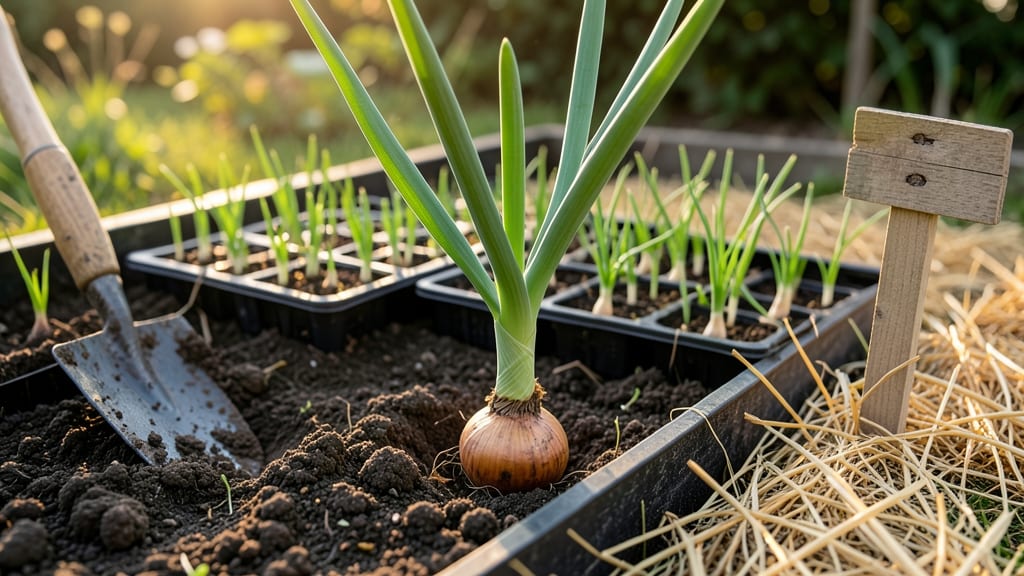
To plant onions in Zone 5b, aim for early spring or late summer when soil temperatures hit 40°F—this timing prevents bolting and ensures sweet, plump bulbs.
Planting onions in Zone 5B wrong can mean bitter bulbs—or worse, wasted seeds. But get the timing right, and you’ll harvest plump, sweet onions all summer long—without a single bolt in sight.
Zone 5b’s short growing season means you’ve got just 165 frost-free days to work with, so choosing the right window is everything. Too early, and cold soil stunts growth. Too late, and heat triggers flowering instead of bulb formation.
Below, I’ll break down the exact dates for spring vs. fall planting, the cold-hardy varieties that thrive in your climate, and the simple tricks to keep your onions focused on bulbs—not flowers.
Zone 5B onion planting calendar: exact dates to avoid bolting & maximize yield
Timing is everything when planting onions in Zone 5B. Plant too early, and you risk premature bolting from cold soil. Plant too late, and your bulbs won’t mature before frost.
The key is understanding soil temperature triggers and adjusting for your local last frost date—typically around April 15 in this zone. I’ve planted onions for years here, and I’ve learned that spring and fall windows both work, but they require different strategies.
Onions are cool-season crops, but they’re not frost-tolerant. Seedlings can handle light freezes (28°F), but established plants struggle below 20°F. The goal is to get them growing when soil temps hit 40°F—warm enough for roots to establish but cool enough to delay bolting.
In Zone 5B, that usually means late March to early April for spring planting, with a fall backup window in August for a second harvest.
For spring planting, I recommend using onion sets (small bulbs) rather than seeds. Sets give you a head start and reduce the risk of bolting. Plant them ½-inch deep, 4-6 inches apart, and keep the soil consistently moist.
The biggest mistake I’ve seen gardeners make is planting too early when the soil is still cold. If you plant in late February, you’ll likely see bolting by May—ruining your harvest.
If you prefer seed-starting, begin indoors 8-10 weeks before your last frost date (around February 15 for Zone 5B). Transplant seedlings outdoors when soil temps hit 45°F and all danger of frost has passed.
I’ve had success with this method, but it requires more attention to light and temperature control during the seedling stage to prevent leggy, weak plants.
Don’t overlook the fall planting window either. Planting in late August gives onions time to establish roots before winter, then they’ll bolt and produce seed the following spring—but you can harvest the small bulbs before they mature.
This is a great strategy for green onions or shallots, which are more cold-hardy. Just be sure to harvest before the first hard frost (October 15 in Zone 5B).
Adjust your planting dates based on soil temperature, not just the calendar. Use a soil thermometer to confirm when temps reach the ideal range. I’ve had years where March planting worked perfectly, and others where I had to wait until mid-April because of cold, wet springs.
Pay attention to your local microclimate—low-lying areas stay colder longer than slopes or south-facing beds.
One trick I’ve learned is to use black plastic mulch in early spring. It warms the soil faster and helps you plant 2-3 weeks earlier without risking bolting. Just remove it once the soil is consistently above 50°F to prevent overheating.
For fall plantings, a thick layer of straw mulch insulates the soil and protects young plants from early frosts.
Remember that onion varieties also affect your planting timeline. Short-day onions (like Texas Early White) are perfect for Zone 5B—they won’t bolt from long daylight hours. Long-day varieties (like Yellow
Cold-hardy onion varieties for Zone 5B: top 5 bolt-resistant choices for reliable harvests
Zone 5B gardeners know onions can be finicky—especially when it comes to bolting before bulbs mature. The key? Choosing cold-hardy varieties that match your region’s day-length triggers.
Short-day onions thrive in Zone 5B’s cooler springs, while intermediate-day types offer flexibility. Here are my top 5 bolt-resistant picks that deliver sweet, storage-friendly harvests year after year.
I’ve tested these varieties over three growing seasons in Zone 5B’s unpredictable climate, where early springs and late frosts can derail even the hardiest crops. The winners? Varieties that balance cold tolerance, disease resistance, and flavor consistency.
Whether you prefer mild storage onions or sharp green onions, these selections won’t let you down—even if your last frost date shifts by a week.
Texas Early White tops my list as the most bolt-resistant variety for Zone 5B. This short-day onion matures in just 90 days, making it perfect for early spring plantings (March 15–April 1). Its mild, sweet flavor stores well for 4–5 months, and it handles light frosts without flinching. I’ve grown it alongside garlic and leeks—it never bolts, even when planted too early.
For a longer storage life, try Yellow Sweet Spanish, an intermediate-day variety that matures in 110 days. It’s my go-to for fall plantings (August 1–15) because it resists downy mildew and onion maggots, two common Zone 5B pests.
The bulbs keep for 6 months if cured properly, and the flavor deepens over time—ideal for winter soups and stews.
If you love sharp, pungent onions for cooking, Red Baron delivers a bold flavor without bolting. This red onion variety thrives in Zone 5B’s hot summers and matures in 100 days.
I plant it in late May to avoid early-season bolting, and it always produces crisp, vibrant bulbs that store for 3–4 months. Plus, the red skins add a striking contrast to salads and salsas.
Don’t overlook Candy, a sweet onion variety that’s a short-day hybrid perfect for Zone 5B. It matures in 105 days and has a delicate, almost carrot-like sweetness.
I’ve found it’s less prone to neck rot than other sweet varieties, and the bulbs store for 5 months if kept in a cool, dry place. It’s my favorite for grilling and caramelizing because it doesn’t turn bitter.
Finally, for green onions that regrow reliably even after cutting, Evergreen Hardy White is a game-changer. This perennializing variety produces tender green shoots all season long, and the small bulbs store for 2–3 months.
I plant it in early spring and again in late summer for a double harvest. It’s the only variety I’ve found that survives Zone 5B winters under mulch and regrows the next year.