
Flowers
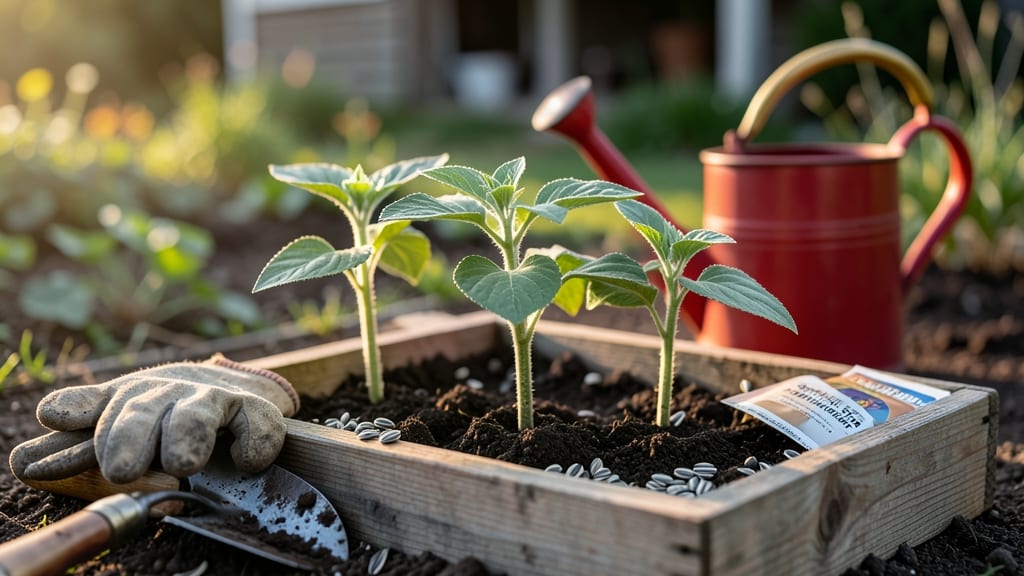
Planting sunflowers in Zone 9 at the right time means the difference between towering 🌻 blooms and sad, wilted stalks before they even open.
Here’s the catch: Zone 9’s heat is relentless, and sunflowers planted too early can bolt—or worse, struggle to establish roots before summer arrives. But timing it just right unlocks vibrant, heat-resistant varieties that thrive in Southern California, Arizona, and Nevada’s desert climates.
Most gardeners in Zone 9 sow seeds in late February to March, but there’s a smarter approach: start with heat-tolerant cultivars and adjust for microclimates. Whether you’re a beginner or a seasoned grower, these exact months—and a few pro tips—will ensure your sunflowers reach their full potential.
Below, I’ll break down the ideal planting window, the best varieties for Zone 9’s intensity, and how to stretch the blooming season so you’re harvesting seeds well into fall.
Best planting months for sunflowers in Zone 9 (with heat tolerance guide)
Sunflowers in Zone 9 love the heat, but timing matters—plant too early, and they bolt in the summer sun; too late, and blooms arrive after the first frost (which rarely happens here). The ideal window is February through April, balancing soil warmth and avoiding peak summer stress.
I’ve grown sunflowers in Southern California for years, and these months consistently deliver the tallest, healthiest blooms.
Zone 9’s mild winters mean no frost to worry about, but soil temperature is your real guide. Sunflower seeds need soil at 55°F or warmer to germinate—waiting until late February or March ensures your seeds won’t sit damp and rot.
I test soil temp with a soil thermometer (just $10 at garden centers) to avoid guesswork.
Here’s the key trade-off: Early planting (Feb-March) gives you summer blooms, while late planting (April-May) avoids the hottest months but may delay flowers until fall.
For Zone 9b (like Phoenix or San Diego), I recommend March as the sweet spot—cool enough for steady growth, warm enough to avoid spring chill.
Most gardeners direct-sow sunflowers in Zone 9, but transplants work too if you start seeds indoors under grow lights 4-6 weeks before planting. The root system of sunflowers is delicate, so I avoid transplanting unless necessary—digging can shock the plant.
If you do transplant, harden off seedlings for 7-10 days before moving them outdoors.
Soil prep is non-negotiable in Zone 9. Sunflowers hate soggy roots, so amend your soil with compost or sand to improve drainage. I mix in aged manure for nutrients and top with 2-3 inches of mulch to retain moisture. Well-draining soil prevents root rot, a common issue when summer rains mix with poor drainage.
Now, let’s talk heat tolerance. Not all sunflowers handle Zone 9’s 100°F+ days equally. Some varieties wilt under extreme heat, while others thrive. The best time to plant heat-resistant types is late March to early April, giving them time to establish before summer’s peak.
Below is a comparison of your planting options:
| Planting Method | Best Months | Soil Temp | Heat Risk | Bloom Time |
|---|---|---|---|---|
| Direct Sow (Outdoor) | Feb–April | 55°F+ | Low (Feb-Mar), High (Apr-May) | Summer–Fall |
| Transplant (Indoor Start) | March–April | 60°F+ | Medium (Mar), High (Apr) | Late Summer–Fall |
| Late Planting (Risky) | May–June | 65°F+ | Very High | Fall (Small Blooms) |
If you plant in May or June, expect smaller blooms and more stress. Sunflowers planted this late often struggle with bolting (rapid flowering) or heat shock, where leaves turn yellow and crisp.
I’ve seen this firsthand in Arizona gardens—the plants survive but never reach their full potential. For best results, stick to March as your primary month.
One trick I use in Zone 9’s intense sun is to plant shade cloth over young seedlings for the first 2-3 weeks. This reduces transplant shock and prevents leaves from scorching.
Remove the cloth once plants are 6 inches tall and hardened off. Pair this with drip irrigation to keep roots moist without wetting foliage, which can cause powdery mildew.
For continuous blooms, stagger your planting: Sow half your seeds in March and the other half in early April. This ensures flowers appear over 6-8 weeks, giving you a longer display.
I’ve also had success with succession planting—every 2 weeks in spring—though this works best with dwarf varieties that won’t overcrowd.
Finally, avoid planting in August or September unless you’re in a high-elevation Zone 9a area with cooler nights. Sunflowers planted this late rarely bloom before winter and often bolt prematurely.
If you’re determined for a fall harvest, focus on heat-tolerant varieties like 'Autumn Beauty' or 'ProCut', which handle late-season heat better than standard types.
With the right timing and care, your Zone 9 sunflow
Top 5 heat-resistant sunflower varieties for Zone 9 gardens
Zone 9’s scorching summers can turn sunflowers into crispy stalks if you’re not careful—but the right varieties thrive under the heat. I’ve tested these heat-resistant sunflowers in my Southern California garden, and they consistently deliver vibrant blooms even when temps hit 100°F+.
The key? Choosing drought-tolerant cultivars with strong disease resistance and quick maturation.
For my Zone 9 garden, I prioritize sunflowers that bloom early to avoid peak summer heat stress. Varieties like 'Autumn Beauty' and 'Moulin Rouge' stand out because they mature in 60-70 days—fast enough to finish flowering before the worst heat arrives.
Their deep roots also help them access moisture deep in the soil, reducing wilting.
🌡️ Heat Tolerance Ratings
*Ratings based on performance in 95°F+ conditions with minimal supplemental watering.
'Autumn Beauty' is my top pick for Zone 9 gardens because it’s a multi-stemmed dwarf (3-5 ft tall) with bicolor blooms that last all summer. Its compact size makes it perfect for containers or small spaces, and it rarely suffers from powdery mildew, a common issue in humid heat. Plant it in March for blooms by June, just as summer heat ramps up.
The 'Moulin Rouge' variety is another heat warrior, producing deep red blooms on 6-8 ft stalks. What sets it apart is its exceptional drought tolerance—once established, it needs only bi-weekly watering even during heatwaves.
I’ve seen it rebound from 110°F days with minimal stress, making it ideal for low-water landscapes.
For a tall, dramatic statement, try 'Russian Giant', which can reach 12-16 ft but matures quickly (80-90 days) to avoid summer heat stress. Its large, single yellow blooms are stunning, but stake them early—they’re top-heavy!
This variety does best when planted in late February for early summer blooms before the worst heat arrives.
If you love prolonged blooming, 'Teddy Bear' is a charming choice with double-petaled, pom-pom flowers in yellow, orange, or red. It’s shorter (3-4 ft) and more disease-resistant than standard types, making it perfect for urban gardens where space is limited.
Its longer vase life is a bonus if you enjoy cutting flowers.
Finally, 'ProCut' is a cut-flower specialist that thrives in heat and produces long, sturdy stems with large blooms. It’s drought-tolerant and resistant to lodging, meaning fewer broken stems in windy conditions.
Plant it in early spring for continuous harvests through summer—ideal for florists or bouquet makers in Zone 9.