
Plants
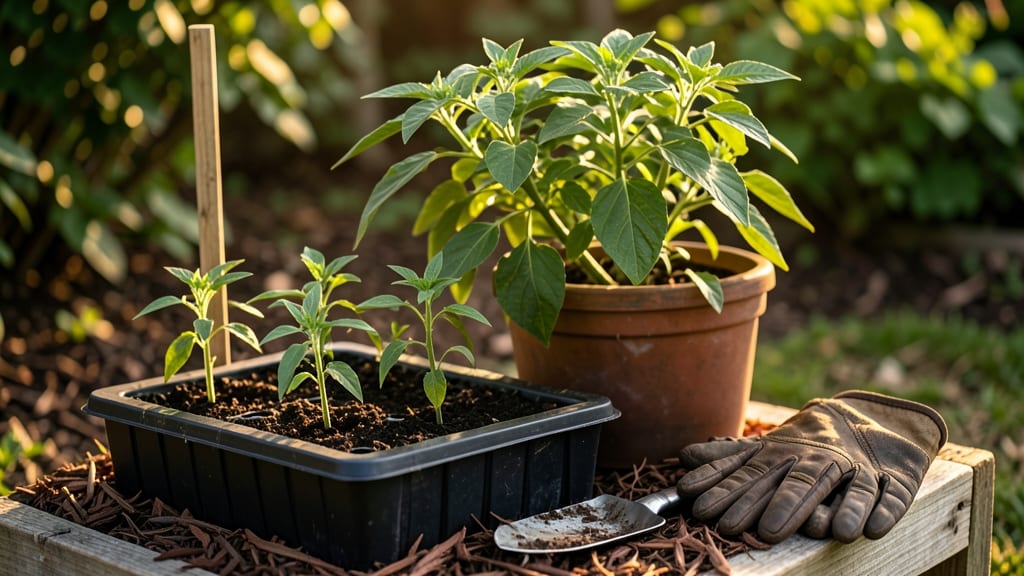
Planting peppers in Maryland after the last frost date — around mid-April — is the key to avoiding frost damage and maximizing your harvest from July to October.
Maryland gardeners know peppers demand precision timing—plant too early and frost ruins your crop, too late and summer heat cuts yields short. Mastering the perfect window in USDA Zone 7b means juicy harvests from July to October.
Whether you're starting seeds indoors or sowing directly, soil temperatures must hit at least 60°F before peppers thrive. Western Maryland's cooler microclimates may need an extra week compared to Eastern regions.
Inside, I break down the exact dates for bell peppers, jalapeños, and hot varieties, plus how to adjust for early starts, late summers, and even greenhouse extensions.
Peppers planting timeline in Maryland: exact dates by variety type
Maryland’s USDA Zone 7b climate means peppers thrive with precise timing—miss the window, and you risk frost damage or stunted growth. The average last frost date is April 15, but soil must reach 60°F before planting.
For bell peppers, jalapeños, and hot peppers, the ideal planting window spans April 15 to May 15, with adjustments for heat-sensitive varieties. Late summer plantings (after July 15) can work for fast-maturing types, but yields may shrink before Maryland’s first frost (October 30).
Not all peppers handle Maryland’s heat the same way. Bell peppers prefer cooler temperatures (65–85°F) and benefit from morning sun to avoid sunscald. Jalapeños and hot peppers, however, crave consistent 80–90°F heat and may need afternoon shade in August.
Below, I’ve broken down the exact planting windows, transplanting tips, and harvest timelines for each type to maximize your Maryland garden’s potential.
⚠️ CRITICAL NOTE: Maryland’s Western regions (Zone 7a) have earlier last frosts (March 31), while Eastern Shore (Zone 7b) holds frost until April 22. Adjust your timeline by 1–2 weeks based on your microclimate. Use row covers or black plastic mulch to extend the season by 2–3 weeks in cooler areas.
For bell peppers, I recommend starting seeds indoors by March 1 to give them a 6–8 week head start. Transplant outdoors
How to calculate your Maryland pepper planting window using frost data
Calculating your pepper planting window in Maryland starts with understanding the USDA Zone 7b frost averages. The last spring frost typically hits around April 15, but soil temperatures must reach at least 60°F for seeds to germinate.
This timing ensures your pepper plants avoid frost damage while maximizing your harvest season from July to October.
Maryland’s microclimates—like urban heat islands or coastal breezes—can shift these dates by 1-2 weeks. For example, Baltimore’s urban areas warm faster than rural Frederick County.
Adjust your planting schedule based on your specific location’s historical frost data, which you can find through local agricultural extension offices or online tools like the National Oceanic and Atmospheric Administration (NOAA).
- 📅 Step 1: Check your last frost date (use April 15 as a baseline for Zone 7b). Adjust 1-2 weeks earlier for coastal areas or 1-2 weeks later for high-elevation spots.
- 🌡️ Step 2: Wait until soil temps hit 60°F+ (use a soil thermometer for accuracy). In Maryland, this usually aligns with mid-May for most regions.
- 📝 Step 3: Calculate your harvest window by subtracting 75-90 days (pepper maturity time) from your first fall frost date (October 30). This gives your latest transplant date.
- 🌿 Step 4: For early varieties, start seeds indoors 8-10 weeks before your last frost (around February 15). For longer-season varieties, wait until April 1 for direct sowing.
- ⚠️ Step 5: Use black plastic mulch to raise soil temps by 5-10°F, allowing earlier planting. Remove it once plants are established to prevent overheating.
If you’re planting jalapeños or hot peppers, which thrive in warmer conditions, delay transplanting until late May to avoid blossom drop from cool nights. For bell peppers, which tolerate slightly cooler temps, you can start as early as mid-April in protected beds or under row covers.
Pro tip: Use a frost calendar from your county’s Cooperative Extension Service. For example, Montgomery County often sees its last frost by April 10, while Worcester County on the Eastern Shore may experience frost as late as April 25.
These local variations can mean the difference between a bountiful harvest and a failed crop.
For gardeners in Zone 7a (like parts of Western Maryland), push your planting window 1 week later to account for cooler nights. Conversely, Zone 7b gardeners in southern Maryland can start 1 week earlier thanks to milder winters.
Always monitor weekly weather forecasts in late April to catch any late frost warnings.
Once you’ve nailed down your planting window, mark your calendar for transplanting—this is when your peppers go from seedlings to soil. Harden off your plants for 7-10 days before transplanting to avoid shock.
In Maryland, this usually means moving them outdoors during the day and bringing them back in at night until mid-May.