
Companion Plants
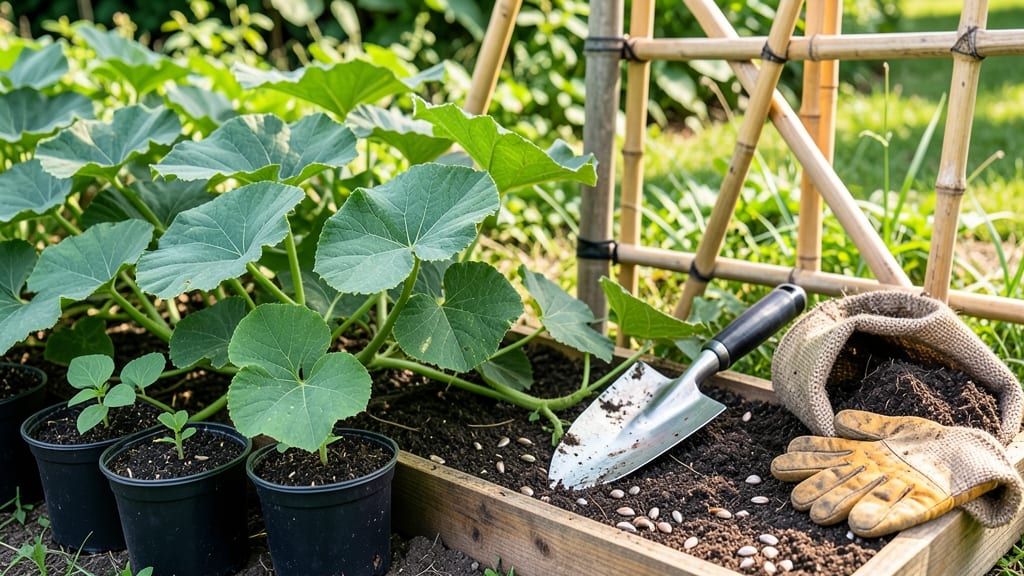
Planting pumpkins in Zone 6 after your last frost—typically mid-April to mid-May—sets the stage for a thriving harvest 🎃.
Timing your pumpkin planting in Zone 6 can mean the difference between a bumper crop and a failed harvest—soil warmth and frost dates are the key factors you can’t ignore.
Too early, and your seeds rot in cold soil; too late, and your vines won’t mature before the first frost. The ideal window depends on soil temperature (aim for 70°F+) and your local frost-free deadline.
Below, I break down the exact dates, how to adjust for early or late seasons, and which fast-maturing varieties work best in Zone 6—so you can avoid common mistakes and grow pumpkins like a pro.
Zone 6 pumpkin planting dates based on soil temperature and frost risk
Getting your pumpkin seeds in the ground at the right time in Zone 6 is all about balancing soil warmth and frost risk. Pumpkins need consistent soil temperatures above 55°F to germinate, but planting too early exposes seedlings to late spring frosts that can wipe out your crop.
In my experience, the sweet spot is after your average last frost date, which typically falls between April 15 and May 15 in most of Zone 6.
While the general rule is to wait until the soil warms up, regional microclimates can shift your planting window by weeks. For example, Ohio’s colder northern areas may need to wait until late May, while Missouri’s southern regions can start as early as mid-April.
Always check your local USDA Zone 6a or 6b frost data—this is your planting deadline calculator.
Soil temperature is the non-negotiable factor. Use a soil thermometer to confirm readings of 70°F or higher at a depth of 2 inches. Cold soil slows germination, and pumpkin seeds can take 7-14 days to sprout—time you don’t have if a late frost is looming. Pro tip: Mix in compost to warm the soil faster if you’re eager to plant early.
For summer planting, you can still sow pumpkins in June for a fall harvest, but choose fast-maturing varieties like ‘Jack Be Little’ (75 days) or ‘Howden’ (80 days).
These give you a better shot at maturity before the first frost, which usually arrives between October 15 and November 1 in Zone 6.
| Planting Window | Soil Temp Requirement | Frost Risk | Zone 6 Region | Best Varieties |
|---|---|---|---|---|
| Mid-April to May 15 | ≥55°F (70°F ideal) | Low (after last frost) | Southern MO, KY, TN | ‘Sugar Pie’, ‘Cinderella’ |
| Late April to May 1 | ≥60°F (75°F ideal) | Moderate (late frosts possible) | Ohio, Indiana, IL | ‘Jack Be Little’, ‘Waltham Butternut’ |
| June (summer) | ≥65°F (80°F ideal) | High (first frost risk) | All Zone 6 regions | ‘Howden’, ‘Small Sugar’ |
| Late May (emergency) | ≥65°F (use row covers) | Very High (late frost) | Northern OH, PA | ‘Autumn Gold’, ‘Baby Boo’ |
If you’re planting in northern Zone 6 (like Ohio or Pennsylvania), err on the side of caution—wait until May 1 or later. These areas often see late frosts in early May, and pumpkin seedlings are extremely frost-sensitive.
For southern Zone 6 (like Missouri or Kentucky), you can start as early as mid-April if your soil is warm enough.
One trick I’ve used is to plant a test row a week before my target date. If the seeds germinate within 7 days, the soil is ready for your main planting.
If not, wait another week—patience pays off with pumpkins. Also, consider black plastic mulch to warm the soil faster if you’re in a hurry.
For summer plantings, focus on short-season varieties that mature in 80-90 days. These give you a second-chance harvest if your spring planting fails. Just be prepared to water deeply—summer heat can dry out soil quickly, and pumpkins need 1-2 inches of water per week to thrive.
Finally, don’t forget to calculate your frost-free deadline. Subtract your pumpkin’s maturity days from your first frost date (e.g., 110-day variety + October 15 frost = July 5 planting deadline). This ensures your pumpkins have enough time to mature before cold snaps.
With these soil temperature and frost risk guidelines, you’ll avoid the most common mistakes—like planting too early and losing seedlings or waiting too long and missing the harvest window. Happy planting! 🎃
How to adjust pumpkin planting for early or late Zone 6 seasons
Zone 6 gardeners face unique challenges when planting pumpkins—unpredictable spring frosts and short growing seasons demand flexibility. If your season arrives early or runs late, don’t panic.
With the right adjustments, you can still grow healthy pumpkins like 'Jack Be Little' or 'Howden', which mature in just 75-90 days. The key lies in soil warmth, season extension tools, and smart variety selection.
For early springs, cold frames or row covers can jumpstart growth by warming soil faster. If frost lingers, opt for fast-maturing varieties and plant later in June for a fall harvest.
Late frosts? Use black plastic mulch to raise soil temperatures and protect young plants. Each strategy balances risk vs. reward, so let’s break down your options.
Planting Too Early vs. Too Late in Zone 6
Planting Too Early
- Pros: Longer growing season
- Cons: Frost damage risk
- Cons: Slow germination in cold soil
- Fix: Use row covers or cold frames
Planting Too Late
- Pros: Avoids frost
- Cons: Shorter harvest window
- Cons: Smaller pumpkins
- Fix: Choose fast varieties (e.g., 'Early Golden')
If your last frost date arrives early—say, by April 1st—plant miniature varieties like 'Jack Be Little' (75-day maturity) in late April. These compact pumpkins thrive in shorter seasons and resist powdery mildew better than larger types.
For late springs, wait until soil hits 70°F (use a soil thermometer!) and plant 'Howden' or 'Small Sugar' in early June for a late-summer harvest.
Don’t overlook season extenders like row covers or low tunnels. These raise soil temps by 5-10°F and shield seedlings from late frosts. For example, a floating row cover can let you plant 2-3 weeks earlier in spring or delay harvest by 2-3 weeks in fall.
Just remove covers when flowers appear to allow bee pollination.
For late frosts, prioritize warmth-loving varieties and use black plastic mulch to raise soil temps. Lay mulch 1-2 weeks before planting to create a microclimate.
Combine this with drip irrigation to keep roots cool during heatwaves. My go-to for late seasons? 'Cinderella' (80-day maturity)—it handles cooler temps better than most.
Track your frost-free days using a garden journal. Zone 6 typically offers 165 frost-free days, but your local average may vary. If you’re unsure, ask nearby gardeners or check Almanac.com for your last frost date.
For example, Ohio averages April 15 for last frost, while Missouri might see it by April 20—adjust accordingly!
Remember: pumpkin success hinges on soil warmth, timely planting, and season extension tools. Whether you’re battling an early frost or a late start, these strategies will help you grow bountiful pumpkins—no matter what Zone 6 throws your way. Happy growing! 🎃