
Plants
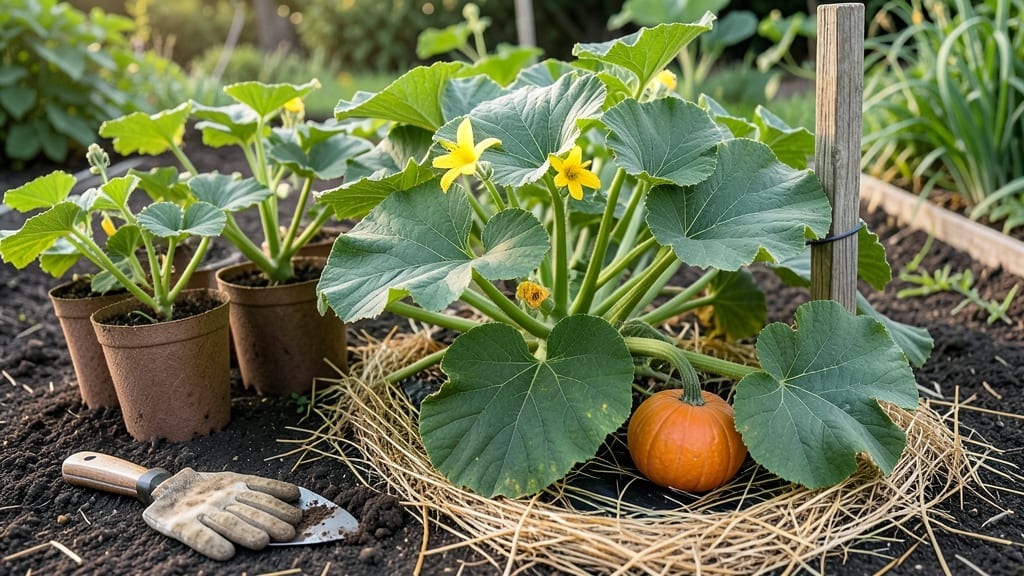
Planting pumpkins in Zone 8b means timing your seeds when soil hits 60°F—not just the calendar date.
Zone 8B gardeners know timing is everything—plant pumpkins too early, and frost lingers; too late, and your harvest shrinks. The secret to lush, fast-growing 🎃 lies in soil temperature, not just calendar dates.
This zone’s 240 frost-free days give you two windows: early spring (after March 15) or late summer (July). But soil warmth is the real game-changer—cold ground delays germination, while heat stress can stunt vines.
Below, I break down the exact soil temps for fast sprouts, the best varieties for Zone 8b’s heat, and how to adjust for late frosts or early heatwaves—so you get a bountiful harvest before the first chill.
Ideal soil temperature for pumpkin germination in Zone 8B
Pumpkins thrive when planted in warm soil, but Zone 8B’s mild winters and hot summers create unique challenges. Unlike cooler zones, your pumpkin seeds need consistent warmth—not just to germinate, but to grow vigorously. The magic happens between 60°F and 90°F, where germination speeds up dramatically.
Below 60°F, seeds rot; above 90°F, they dry out before sprouting. Let’s break down the science and how to nail it in your garden.
Soil temperature isn’t just about the air—it’s about the microclimate where roots meet dirt. In Zone 8B, early spring soils can still be too cool even when daytime temps feel warm.
Use a soil thermometer (just $10 at garden centers) to check 2 inches deep, where seeds will be planted. This is your germination gold standard. If your soil hovers around 55°F, your pumpkin seeds may take 2-3 weeks to sprout—or not at all.
Here’s the sweet spot for pumpkin germination in Zone 8B:
If your soil is too cool for planting, try these warmth-boosting tricks. Lay down black plastic mulch 1–2 weeks before planting to raise soil temps by 5–10°F. For an extra push, use clear plastic tunnels or straw mulch—both trap heat while keeping moisture in.
In my Zone 8B garden, I’ve seen soil temps jump from 58°F to 72°F in just 48 hours with these methods.
Pro tip: Morning sunlight is your ally. Soil warms fastest when the sun hits it directly after sunrise. Avoid planting in shady spots—even partial shade can drop soil temps by 10°F.
If you’re unsure where your garden lands, test multiple spots with your soil thermometer. The sunniest, darkest soil (like tilled compost) will warm up fastest.
For fastest germination, aim for 70–80°F soil. This is where pumpkin seeds typically sprout in 5–7 days. In my trials, seeds planted at 75°F germinated in just 4 days, while those at 65°F took 12 days.
The difference? Faster vines, more flowers, and bigger pumpkins by harvest time.
Don’t forget about moisture. Warm soil loses water faster, so keep it consistently damp (not soggy) until seeds sprout. A light misting in the morning is better than deep watering, which can cool the soil.
I use a spray bottle for seedling beds to maintain humidity without drowning the seeds.
If you’re planting in late summer (July), watch
Best planting windows for Zone 8B pumpkins (with frost-proofing tips)
In Zone 8B, where last frost dates average around March 15 and first frost hits November 15, timing your pumpkin planting is crucial. You have two prime windows: early spring (after frost risk) and late summer (for fall harvests).
Each approach requires different frost-proofing strategies to ensure those 90-day vines thrive.
For spring planting, aim to sow seeds 2-3 weeks after your last frost—typically late March to early April—when soil temps hit 60°F+. This gives vines 100+ frost-free days to mature.
Meanwhile, late summer planting (June-July) extends harvests into October, but demands extra care to protect young plants from unexpected early frosts.
For spring plantings, I recommend short-season varieties like 'Jack Be Little' (75 days) or 'Small Sugar' (80 days) to beat Zone 8B's 240 frost-free days.
These varieties thrive even if summer heat arrives early. Direct-sow seeds in hills (4–6 seeds per mound) spaced 4–6 feet apart—pumpkins need room to sprawl!
If you opt for late summer plantings, choose heat-tolerant varieties like 'Cinderella' (85 days) or 'Autumn Gold' (90 days). These handle Zone 8B's late-summer heat better than traditional types. Black plastic mulch is your best friend here—it warms soil 5–10°F faster than bare earth, speeding germination.
Don’t overlook companion planting! Pair pumpkins with bush beans (they fix nitrogen) or marigolds (repel pests). For extra frost protection, drape floating row covers over seedlings if nighttime temps dip below 50°F. Remove covers during the day to avoid overheating.
Pro tip: Monitor soil temperature with a soil thermometer. Pumpkin seeds need 60°F+ to germinate—if it’s cooler, wait or use a seedling heat mat for 5–7 days to jumpstart growth. With these strategies, you’ll maximize Zone 8B's growing season and enjoy pumpkins from July through October!