
Plants
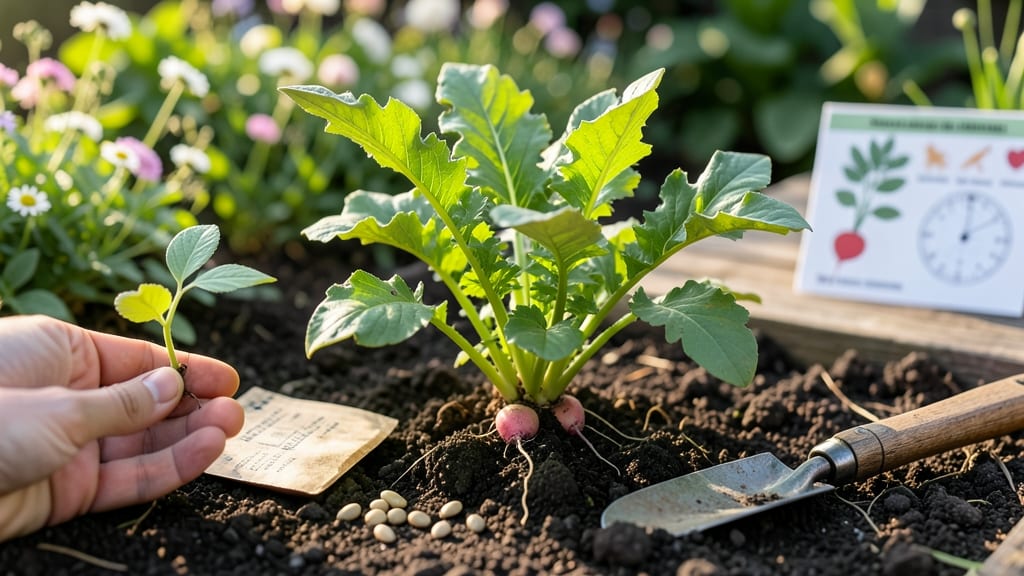
Plant radishes in Virginia about 4–6 weeks before your last frost date (typically late February to early April) or 6–8 weeks before the first frost (late August to early October) for a reliable harvest.
Virginia gardeners know radishes are one of the fastest-growing vegetables—but planting them at the wrong time means bitter roots or stunted growth. Timing is everything, especially in Virginia’s unique Zone 7a climate where frost can still surprise you.
Whether you’re in the Piedmont, Coastal Plain, or Mountains, the key is soil temperature: radishes thrive when soil reaches 45°F or warmer. Too cold, and they’ll bolt; too hot, and they’ll turn pungent. I’ll break down the exact frost-free windows for each region.
You’ll also discover the top 3 radish varieties that handle Virginia’s heat and humidity, plus how to stretch your harvest with succession planting—so you’re never left without a crisp, fresh 🥕.
Virginia radish planting calendar: best months by Zone 7b/8a
Timing your radish planting in Virginia's Zone 7b/8a means the difference between crisp, sweet roots and bitter, woody failures. With 21-30 day harvest windows, these fast growers demand precision—especially when frost dates shift unpredictably between Piedmont and Coastal regions.
My Zone 7b garden in Charlottesville and Zone 8a friends near Norfolk have taught me the hard way: plant too early, and frost ruins your crop; too late, and summer heat makes radishes pungent and tough.
For spring radishes, aim for March through early April when soil temperatures hit 45-50°F. This gives you a 6-8 week window before summer heat stress sets in. Fall plantings should start August 15-September 15 to harvest before first frost (typically mid-November in Zone 7b, later in 8a).
Even winter gardeners can try cold-hardy varieties under row covers from November-December if you're brave enough to brave Virginia's occasional 20°F nights.
| Planting Window | Zone 7b (Charlottesville) | Zone 8a (Norfolk) | Soil Temp | Harvest Window |
|---|---|---|---|---|
| Early Spring | March 15-April 15 | February 28-April 30 | 45-50°F | April 15-May 30 |
| Late Summer | August 15-September 15 | August 1-September 30 | 60-70°F | September 15-October 15 |
| Fall/Winter (Cold Hardy) | November 1-December 15 | October 15-December 31 | 40-45°F | January-February |
| Succession Planting | Every 2 weeks | Every 2 weeks | 45-55°F | Continuous harvest |
Zone 7b gardeners should avoid planting after April 15—summer heat turns radishes bitter within 25 days. My French Breakfast variety planted in late April last year tasted like hot sauce by harvest time.
For Zone 8a, you've got slightly more flexibility, but August 15 is your cutoff for fall plantings. Use black plastic mulch to warm soil faster in spring or straw mulch to cool it in summer if you're pushing the limits.
Pro tip: Test your soil temperature with a soil thermometer—radish seeds won't germinate below 40°F. I keep mine buried in the garden bed overnight and check first thing in the morning.
If it's below 45°F, wait another week. Seed depth matters too: plant ½ inch deep in well-draining soil to prevent rot. My Cherry Belle radishes planted ¼ inch too deep last spring took 10 extra days to sprout.
For fall radishes, start seeds 6-8 weeks before first frost (so September 15 in Zone 7b, October 1 in Zone 8a). Use quick-maturing varieties like Easter Egg or Rocket for reliable harvests.
I've had success with row covers extending fall harvests into early December—just remove them during the day to prevent overheating. In Zone 8a, you can even try winter radishes under cold frames for January harvests.
Don't forget succession planting! Sow new radish seeds every 2 weeks from March through September to ensure a continuous harvest. My 2023 garden produced 1
How to extend your radish growing season in Virginia
Virginia’s Zone 7b/8a climate offers gardeners a unique challenge—unpredictable frost dates and shifting temperatures that can turn your radish dreams into bitter disappointments. But with the right strategies, you can harvest radishes year-round, even when your neighbors are still shoveling snow.
The secret? Combining succession planting, cold-hardy varieties, and soil temperature tricks that trick Mother Nature into cooperating.
Most gardeners focus on spring and fall plantings, but Virginia’s mild winters (especially in Zone 8a) and extended growing seasons mean you can push those boundaries.
I’ve grown radishes in January and October using simple techniques—like row covers and raised beds—that shield tender roots from late frosts while keeping them from bolting in summer heat. Let’s break down how to maximize your harvest windows without sacrificing quality.
- Plant in 3-week intervals from February through October for continuous harvests. Start with 3-4 seeds every 21 days in well-drained soil.
- Use row covers or cold frames to extend fall/winter harvests. These can add 2-4 weeks to your growing season by trapping heat.
- Choose cold-tolerant varieties like 'Cherry Belle' or 'French Breakfast', which thrive in 40-60°F soil and won’t bolt in cool weather.
- Test soil temperature before planting—radishes need 45-85°F soil. Use a soil thermometer to avoid planting too early in cold springs.
- For summer heat, opt for shorter-day varieties like 'White Icicle' and plant in partial shade to prevent bolting.
One of my favorite tricks is succession planting in raised beds. By dividing your garden into sections and planting radishes every 3 weeks, you ensure a steady supply without overwhelming your space.
For example, I plant one section in early March, another in late April, and a final batch in mid-September. This staggered approach guarantees fresh radishes from April through November, even in cooler years.
Don’t overlook soil temperature—it’s the silent killer of radish dreams. Use a soil thermometer (they’re cheap!) to confirm your soil is at least 45°F before planting.
In Virginia’s Zone 7b, this often means waiting until mid-March for spring plantings, while Zone 8a gardeners can start as early as February. Pro tip: Black plastic mulch warms soil faster and can shave 1-2 weeks off your planting timeline.
If you’re eager to harvest in winter, protect your radishes with frost blankets or low tunnels. These simple covers can extend your season by 4-6 weeks, letting you enjoy fresh radishes even when snowflakes start to fly.
I’ve grown 'Winter Blood Turnip' radishes under row covers in December, and they’ve stayed crisp and sweet despite 20°F nights. Just remember to ventilate on warm days to prevent overheating.
For summer plantings, focus on shade and quick maturing. Radishes bolt (go to seed) faster in heat, so choose varieties that mature in 20-25 days and plant them in partial afternoon shade.
I’ve had success with 'Easter Egg' radishes in July-August by placing them near taller plants like tomatoes or peppers to filter the sun. Water deeply in the morning to keep roots cool and prevent bolting.