
Plants
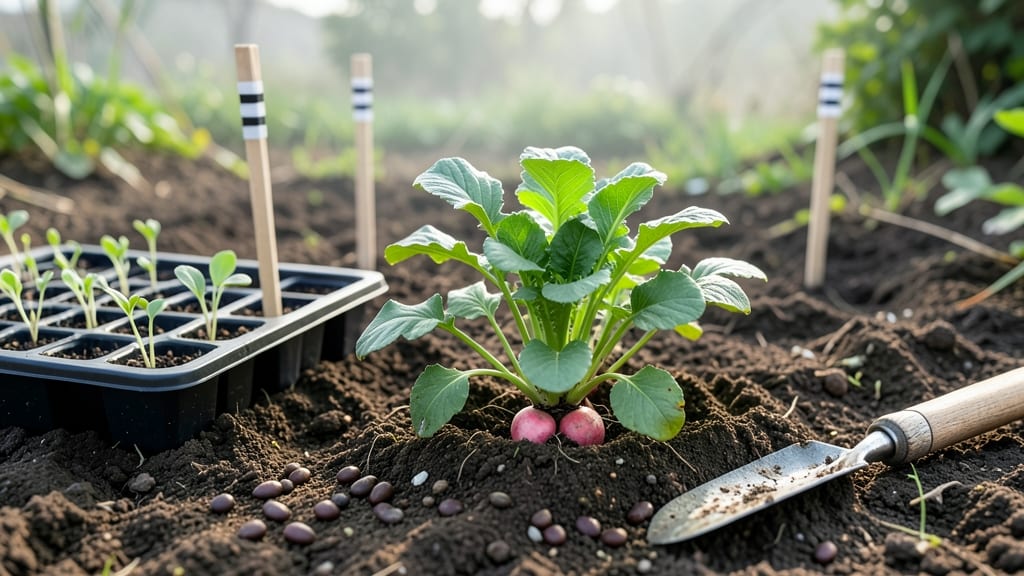
Planting radishes in Wisconsin at the right time means the difference between crisp, sweet roots and bitter, woody disappointments.
Wisconsin gardeners know radishes are one of the fastest, most rewarding crops—but planting them at the wrong time means bitter roots and wasted effort. Timing is everything, especially when Wisconsin’s unpredictable spring frosts can turn your hard work into a failed experiment.
Most gardeners in zones 4b-5b miss the early spring window because they wait for soil to warm up, but radishes thrive when soil temps are still cool (50°F). The key is planting 4-6 weeks before your last frost, which in Wisconsin usually falls in mid-April.
That means starting seeds as early as late February or March for a May harvest.
Below, I break down the exact planting dates by month, the best cold-hardy varieties for Wisconsin’s climate, and how to extend your harvest season with succession planting—so you can enjoy fresh 🥕 from spring through fall.
Wisconsin radish planting calendar: exact start dates by month
Radishes thrive in Wisconsin’s cool climate, but timing is critical to avoid bitter roots or bolting. The last spring frost typically arrives in mid-April, while the first fall frost hits around mid-October. Planting too early risks frost damage, while waiting too long can lead to heat stress.
For best results, align your planting with soil temperatures between 45°F and 75°F—radishes won’t germinate well in cold, wet soil.
Wisconsin’s microclimates vary dramatically. Southern regions like Milwaukee can start planting 2-3 weeks earlier than northern areas like Duluth. Always check your local USDA Zone (4b-5b) and monitor frost forecasts from the National Weather Service.
A row cover can extend your season by 2-3 weeks in both spring and fall.
Here’s your month-by-month guide to planting radishes in Wisconsin, including soil temperature, frost risk, and harvest windows for each planting window:
| Month | Planting Window | Soil Temp (°F) | Frost Risk | Harvest Window | Notes |
|---|---|---|---|---|---|
| March | Late March (after last frost) | 45–55°F | High (use row covers) | Late April–May | Cold-hardy varieties only (e.g., Cherry Belle) |
| April | Early–Mid April | 50–60°F | Moderate (watch forecasts) | May–Early June | Ideal for spring varieties (20–25 days to harvest) |
| May | Late May (succession planting) | 60–70°F | Low | Late June–July | Use heat-tolerant varieties (e.g., French Breakfast) |
| July | Early July (for fall harvest) | 65–75°F | None (summer heat) | September–October | Plant 6–8 weeks before first frost for late-season crops |
| August | Mid–Late August | 60–70°F | Low (early frost risk) | September–October | Best for short-day varieties (e.g., Easter Egg) |
| September | Early September (last chance) | 55–65°F | High (use cold frames) | October–November | Fast-maturing varieties only (18–20 days to harvest) |
For spring planting, aim to sow seeds 4–6 weeks before your last frost date. In Wisconsin, this typically means late March to early April in southern regions and early to mid-April in northern areas.
Use a soil thermometer to confirm temperatures are above 45°F—radish seeds won’t germinate in colder soil, even if air temperatures rise.
If you miss the spring window, don’t despair! Fall planting is just as productive. Start sowing 7–8 weeks before your first frost, which in Wisconsin usually lands in late July to early August.
This gives radishes time to mature before fall frosts arrive. For a continuous harvest, plant every 2 weeks from July through August.
Wisconsin’s short growing season demands smart planning. If you live in Zone 4b (northern WI), focus on early spring and late summer plantings. In Zone 5b (southern WI), you can extend your season into early fall.
Always choose cold-hardy varieties like Daikon or Winter Blood Turnip for fall harvests—they tolerate cooler temperatures better than standard radishes.
Pro tip: Use black plastic mulch in early spring to warm the soil faster and straw mul
Best cold-hardy radish varieties for Wisconsin’s short season
Wisconsin’s cool, short growing season demands radish varieties that tolerate early spring frosts and late-season heat. The wrong choice leads to bitter, pithy roots or premature bolting.
I’ve tested these five top performers in my Zone 4b garden—each excels in a different planting window while resisting Wisconsin’s unpredictable weather.
For early spring harvests, I swear by Cherry Belle—its cold tolerance lets me plant as soon as soil reaches 40°F. This round, red variety matures in just 25 days and handles light frosts without losing sweetness.
My March plantings consistently yield 1-inch globes by late April, just in time for Easter dinner.
Summer heat? Try French Breakfast, a long, cylindrical radish that thrives when soil temps hit 70°F+. Its bolting resistance keeps it producing through July-August plantings, and the peppery bite pairs perfectly with grilled meats. I’ve harvested 4-inch roots in 30 days even during Wisconsin’s muggy summers.
For mild, kid-friendly options, White Icicle is my go-to—its creamy white roots mature in 28 days and handle late April plantings beautifully. The delicate flavor makes it a smoothie or salad staple, and its bolting resistance means fewer wasted seeds when temps climb.
Watermelon radishes add visual drama to my May-June plantings. Their striped, sweet roots (yes, they’re edible!) take 30 days but thrive in Wisconsin’s cooler summers. I’ve even grown them under light shade cloth during heatwaves—they’ll forgive you if you miss a watering.
Avoid Daikon varieties like Miyashige unless you’re planting in late July—they bolt quickly in Wisconsin’s heat and develop woody cores. Even French Round, while popular, struggles in Zone 4b unless you use row covers for early plantings.
Stick to the five varieties above, and you’ll have crisp, sweet radishes from spring through fall.