
Plants
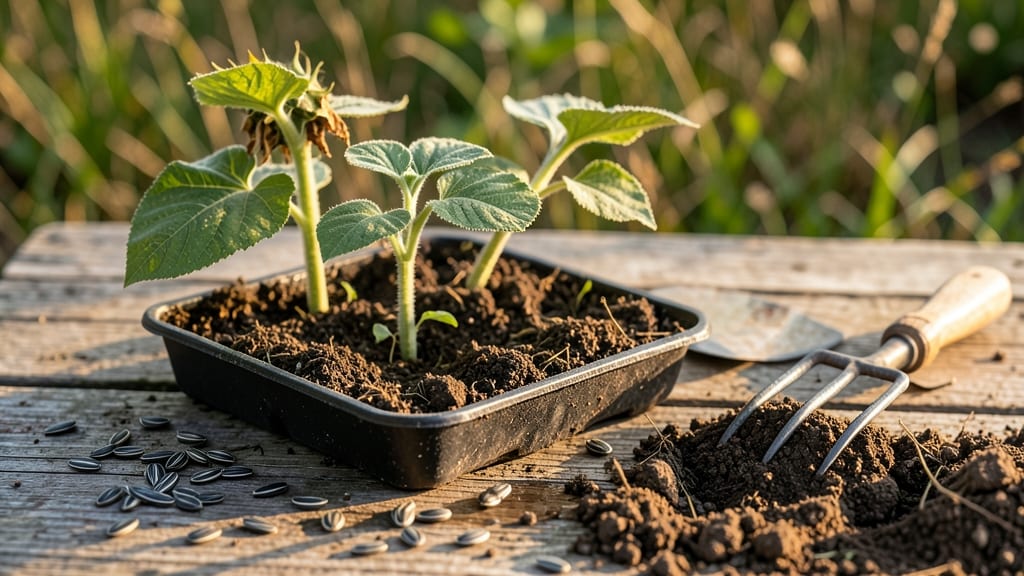
Planting sunflower seeds in South Africa at the right time ensures tall, vibrant blooms—but miss the frost-free window, and you risk stunted growth or frost damage.
Sunflowers thrive under South Africa’s bright skies—but planting them at the wrong time can mean stunted growth or frost damage. Timing is everything, and regional frost-free dates are your secret weapon for a bountiful harvest.
In coastal areas like the Western Cape, where frost is rare, you can plant almost year-round. But inland regions like Gauteng and Mpumalanga need to wait until after the last frost in late September to avoid damage.
Below, I’ll break down the best planting months by region, soil prep tips, and how to adjust for your sunflower variety—so you get healthy, towering 🌻 plants every time.
South Africa’s sunflower planting zones: frost-free dates by region
Sunflowers love South Africa’s sunshine, but frost-free dates determine your planting success. In coastal regions, you can plant year-round, while inland areas face frost risks that require careful timing. Understanding your local frost-free window ensures strong stems and vibrant blooms—no more leggy, weak sunflowers!
South Africa’s climate varies dramatically: coastal zones like KwaZulu-Natal rarely see frost, while highland areas in Mpumalanga and Limpopo can experience frost until mid-October. For optimal growth, aim to plant after your region’s last frost date, but before summer heat peaks.
Let’s break down the best planting windows by region.
Here’s your frost-free planting guide for South Africa’s top sunflower-growing regions. Use this to align your planting with soil warmth and rainfall patterns for the best results.
| Region | Last Frost Date | First Frost Date | Best Planting Window | Notes |
|---|---|---|---|---|
| Western Cape (Cape Town, Stellenbosch) | None (coastal) | None (coastal) | Year-round (peak: Aug–Nov) | Watch for Cape Doctor winds in summer |
| KwaZulu-Natal (Durban, Pietermaritzburg) | None (coastal) | None (coastal) | Year-round (peak: Sep–Dec) | High humidity; ensure good drainage |
| Gauteng (Johannesburg, Pretoria) | Mid-Sept | Late May | Oct–Nov (spring) or Feb–Mar (late summer) | Use black plastic mulch for warmth |
| Mpumalanga (Nelspruit, White River) | Early Oct | Late Apr | Nov–Dec (spring) or Feb (late summer) | Frost risk until mid-October |
| Limpopo (Polokwane, Lebowakgomo) | Late Sept | Early May | Nov–Dec (spring) or Jan–Feb (summer) | Dry climate; water deeply after planting |
In frost-free coastal regions like the Western Cape and KwaZulu-Natal, you can plant sunflower seeds anytime, but spring (August–November) yields the most vibrant blooms. These areas enjoy consistent warmth and high sunlight, perfect for sunflowers’ love of 6+ hours of direct sun daily.
For inland regions like Gauteng and Mpumalanga, timing is critical. Plant after your last frost date—typically mid-September to early October—to avoid frost damage to young seedlings. Late-summer plantings (February–March) also work well, especially for heat-tolerant varieties like ‘Russian Giant.’
In Limpopo’s drier climate, focus on spring (November–December) when rains return. Use mulch to retain moisture and protect roots from extreme heat. Avoid planting in peak summer (Dec–Jan) unless you’re growing drought-resistant varieties like ‘Teddy Bear.’
Pro tip: Check SAWS (South African Weather Service) for your local frost dates—some highland areas experience frost until mid-October. Planting 1–2 weeks after the official last frost date gives seedlings time to establish before summer heat arrives.
Sunflowers thrive in well-drained soil with full sun exposure. After planting, maintain consistent moisture (1–2
How to adjust planting time for sunflower varieties in South Africa
Not all sunflowers mature at the same pace, and South Africa’s diverse climate demands careful timing. Early varieties like 'Mordova' (60-70 days to harvest) thrive in cooler highland regions, while tall giants like 'Russian Giant' (120+ days) need longer, warmer seasons.
Your planting window depends on both variety and soil temperature—wait until soil warms to 10°C (50°F) for best germination.
Use the South African Weather Service (SAWS) frost-free date calculator to pinpoint your region’s last frost. For example, Gauteng’s last frost typically falls in July-August, while coastal areas like KwaZulu-Natal rarely experience frost.
Plant early varieties 2-3 weeks after your last frost date, and late varieties 4-6 weeks after for full maturity before winter chill sets in.
For frost-prone regions like the Free State or Drakensberg, opt for early-maturing varieties and plant seeds directly in well-drained soil after your last frost.
In coastal areas with no frost risk (e.g., Western Cape’s Garden Route), you can plant year-round, but aim for spring (September-November) for optimal growth before summer droughts.
Pro tip: Use a soil thermometer to confirm temperatures before planting. If your soil is still below 10°C (50°F), delay planting to avoid slow germination or rot.
In Limpopo or Mpumalanga, where frost is rare, focus on watering consistency—sunflowers need 1-2 inches of water weekly once established.
Adjust your seed spacing based on variety: 'Mordova' needs 12 inches apart, while 'Russian Giant' requires 24 inches to prevent overcrowding. In high-rainfall areas like KwaZulu-Natal, prioritize well-draining soil to avoid waterlogged roots, which stunt growth.
Timing your sunflower harvest is just as critical. Early varieties like 'Mordova' will be ready by late November in most regions, while 'Russian Giant' may not reach maturity until February-March. Plan ahead to enjoy full sunflower bouquets or seed harvests at their peak!