
Plants
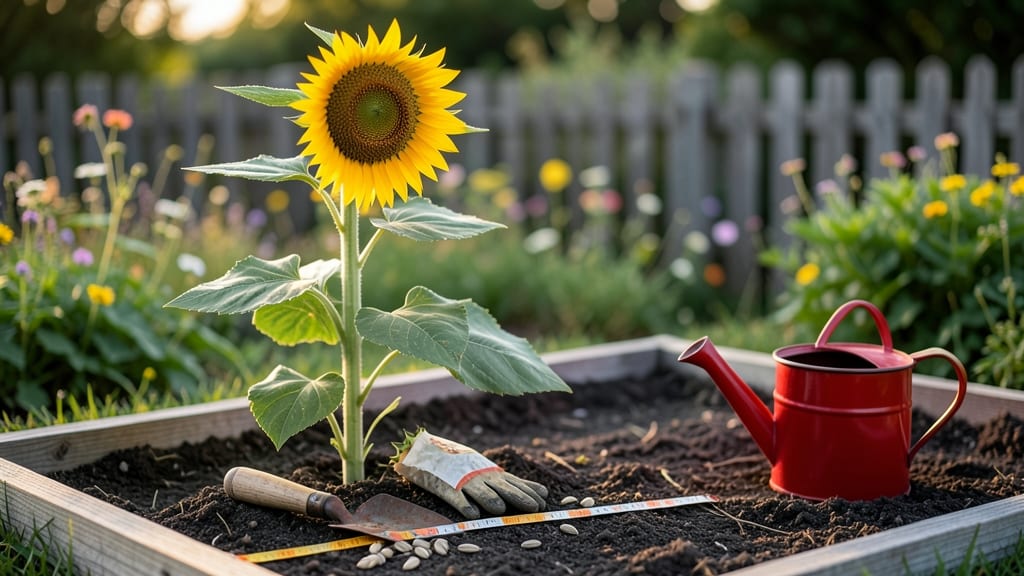
Planting sunflower seeds in Virginia after the last frost—typically by late April—sets the stage for towering blooms that reach their full potential in USDA Zone 7b.
Sunflowers don’t just add vibrant beauty to Virginia gardens—they thrive when planted at the perfect time, especially in USDA Zone 7b where timing directly impacts their towering growth and stunning blooms.
Miss the window, and you risk stunted plants or bolting too early, leaving you with smaller flowers and fewer seeds.
This guide covers the ideal planting windows, soil temperature tips, and how to align your schedule with Virginia’s frost-free dates for maximum success. Whether you’re a first-time gardener or a seasoned grower, these insights will help you grow sunflowers that reach their full height potential.
You’ll learn how to adjust for Virginia’s humidity, choose the right varieties for your climate, and even troubleshoot common issues like uneven growth or pests. Let’s get those seeds in the ground at the perfect moment!
Best planting months for sunflowers in Virginia’s Zone 7b climate
Timing is everything when growing sunflowers in Virginia’s Zone 7b, where last frost dates and summer heat create a narrow but perfect window for planting.
The ideal planting months are April through early June, but your exact timing depends on whether you’re growing early varieties or tall giants.
In this region, sunflowers planted too early risk frost damage, while late plantings may not reach their full 10- to 15-foot potential before winter sets in.
Virginia’s Zone 7b climate offers 165 frost-free days annually, giving sunflowers enough time to mature if planted correctly. The average last frost date falls around mid-April, but microclimates—like coastal areas or mountainous regions—can shift this by 1-2 weeks.
For example, Norfolk’s warmer coastal zone may see frost-free conditions by early April, while Roanoke’s higher elevation might push it to late April. Always check your local USDA frost map before planting.
Sunflowers thrive in Virginia’s warm summers, but they need consistent soil temperatures above 50°F to germinate. If you plant too early, seeds may rot in cold, wet soil. The sweet spot is late April to early May, when soil warms to 60-70°F and the risk of frost has passed. This timing ensures 60-90 days of growth before the first frost in mid-October, allowing even tall varieties to reach maturity.
For gardeners eager to extend the season, late summer plantings in June can work for short-season varieties like ‘Teddy Bear’ or ‘Moulin Rouge’. These dwarf sunflowers mature in 50-60 days, giving them enough time to bloom before frost.
However, avoid planting after July 1st, as seedlings won’t have sufficient time to establish roots and grow before winter.
| Planting Window | Ideal Varieties | Soil Temp | Days to Maturity | Notes |
|---|---|---|---|---|
| Late April - Early May | ‘Mammoth’ (12-14 ft), ‘Autumn Beauty’ (5-6 ft) | 60-70°F | 90-120 days | Best for tallest blooms; plant after last frost. |
| Mid-May - Early June | ‘ProCut’ (8-10 ft), ‘Sunspot’ (4-5 ft) | 55-65°F | 70-90 days | Ideal for mid-season blooms; avoid late June. |
| June (Early Only) | ‘Teddy Bear’ (2-3 ft), ‘Moulin Rouge’ (3-4 ft) | 60°F+ | 50-60 days | Short-season varieties; plant before July 1st. |
If you’re unsure about your local frost dates, use a simple soil thermometer to check temperatures before planting. Sunflower seeds need consistent warmth to sprout, and cold soil can delay germination by 1-2 weeks.
In Virginia’s humid climate, early plantings also risk damping-off disease, so avoid sowing until the soil is dry enough to crumble. A quick test: Grip a handful of soil—if it forms a loose ball that breaks easily, it’s ready for seeds.
For maximum sunflower success, align your planting with Virginia’s humidity patterns. Early spring plantings in April benefit from cooler, drier conditions, reducing fungal risks. However, if you plant in late May or June, be prepared for intense heat and humidity, which can stress young seedlings.
In these cases, provide shade cloth for the first 2-3 weeks until plants establish deeper roots.
Another pro tip: Direct-sow sunflower seeds rather than starting them indoors. Sunflowers detest transplanting and often bolt or stunt when disturbed. Instead, scatter seeds 1 inch deep and 6 inches apart in well-draining soil.
Thin seedlings to 12-24 inches apart once they reach 3-4 inches tall, ensuring each plant has enough nutrients and sunlight to grow to its full potential.
Don’t forget to consider sunflower height when planning your planting schedule. Tall varieties like ‘Mammoth’ need 90+ days to reach 12-14 feet, so they must be planted by early May to avoid winter frost.
Meanwhile, shorter varieties like ‘Sunspot’ can be sown as late as early June and still bloom before frost. Match your variety to your planting window for the best results.
Finally, keep an eye on Virginia’s unpredictable weather. Heatwaves or sudden storms can delay growth, so stay flexible with your planting dates. If you miss the ideal window, consider container gardening to move sunflowers to
How to adjust sunflower planting for Virginia’s soil and heat variations
Virginia’s diverse soil types and sweltering summer heat can challenge sunflower growth, but with the right adjustments, your plants will flourish. The sandy soils of coastal regions drain too quickly, while clay-heavy soils in Piedmont areas hold excess moisture—both extremes can stress young seedlings.
Even the humidity spikes in late summer demand special care to prevent fungal diseases.
To thrive, sunflowers need well-amended soil with organic matter like compost or aged manure. For sandy soils, mix in 2-3 inches of compost to retain moisture, while clay soils benefit from gypsum or coarse sand to improve drainage.
Test your soil’s pH level—sunflowers prefer 6.0-7.5, and adjust with lime or sulfur if needed.
⚠️ WARNING: Heat & Humidity Risks ⚠️ Sunflowers planted too early in Virginia’s Zone 7b face heat stress when temperatures exceed 90°F.
Young seedlings (under 4 inches) are especially vulnerable to wilting and fungal rot in Virginia’s high humidity. Pre-sprout seeds indoors 2-3 weeks before last frost (mid-April) to give them a head start. Use biodegradable pots to transplant seedlings without disturbing roots.
For outdoor planting, wait until soil temperatures reach 60°F+—check with a soil thermometer to avoid false starts.
⚠️ Critical Heat & Humidity Adjustments ⚠️
• Never plant before May 1st in most of Virginia—heat spikes after late April can stunt germination. Wait until nighttime temps stay above 55°F consistently.
• Use shade cloth (30-50%) for first 2 weeks after transplanting to protect seedlings from intense afternoon sun. Remove gradually to harden off plants.
• Mulch heavily with straw or wood chips to lock in moisture and regulate soil temp. Avoid plastic mulch—it traps heat and promotes root rot in Virginia’s humidity.
For sandy soil gardens, consider container growing to retain moisture. Large pots (12+ inches deep) with well-draining potting mix mimic the moisture-holding capacity of clay soils. Water containers deeply every 2-3 days during Virginia’s dry summer months, focusing on the soil-root zone to encourage deep root growth.
If you’re planting in July or August for a late-season harvest, choose heat-tolerant varieties like ‘Moulin Rouge’ or ‘Autumn Beauty.’ These types handle Virginia’s late-summer heat waves better than standard varieties. Always water at soil level (not overhead) to prevent mildew and encourage strong stems that won’t snap in storms.
Monitor your sunflowers for powdery mildew, a common issue in Virginia’s humid summers. At the first sign of white powder on leaves, spray with a baking soda solution (1 tsp baking soda + 1 quart water + drop of dish soap).
For severe cases, remove affected leaves and improve airflow by thinning plants.
With these Virginia-specific adjustments, your sunflowers will survive the heat, thrive in varied soils, and reward you with towering blooms that turn heads—literally! 🌻