
Flowers
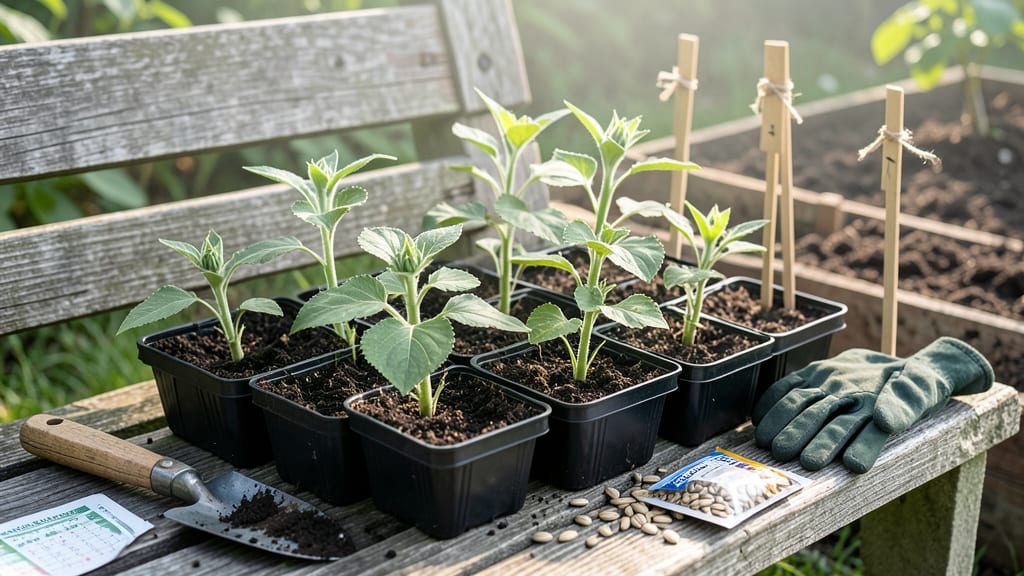
Planting sunflowers in Connecticut at the right time means the difference between a golden summer garden and a frost-nipped disappointment.
Picture this: 6-foot-tall 🌻 blooms swaying in your yard by July, their seeds ready to harvest—only to have late spring frosts turn your dreams into wilted stems. Or worse, planting too late and watching your sunflowers bolt before they even open.
Connecticut’s Zone 6a climate gives you a narrow window to get it right, and missing it means missing the show.
Most gardeners in CT swear by mid-April to mid-June as the sweet spot, but the truth is more nuanced. Coastal areas near New Haven can start a week earlier, while inland spots near Hartford need to wait until after the average last frost date of April 15.
The key? Soil temperature, not just calendar dates—sunflowers need 55°F soil to germinate, and a frost watch app won’t lie to you.
In this guide, I’ll break down the exact planting timeline for your corner of CT, whether you’re direct-sowing seeds or transplanting starts. You’ll also learn which varieties hold up best to our early fall frosts and how to stretch your blooming season by a full month—without gambling on luck.
Connecticut sunflower planting timeline by last frost dates
Connecticut’s last frost dates range dramatically from April 15 in coastal areas to May 15 inland, creating a 3-week window that determines your sunflower’s success. Plant too early, and frost will nip tender seedlings; too late, and you’ll miss peak summer blooms.
The key is aligning your sunflower variety with your region’s frost-free period to ensure full maturity before fall frosts arrive around October 15.
Sunflowers thrive in Connecticut’s USDA Zones 5b-6a, but their maturity timeline varies by type. Dwarf varieties like ‘Teddy Bear’ mature in 50-60 days, while giant ‘Russian Giant’ need 120 days.
Coastal areas (e.g., New London) have 165 frost-free days, while inland (e.g., Hartford) average 150 days. This means early May planting in coastal zones vs. late May inland to avoid fall frost damage.
| Planting Window | Region | Last Frost Date | Best Varieties | Bloom Time |
|---|---|---|---|---|
| Mid-April to May 1 | Coastal (Zone 6a) | April 15 | ‘Autumn Beauty’, ‘Moulin Rouge’ | July–September |
| Late April to May 15 | Inland (Zone 5b) | May 1 | ‘Teddy Bear’, ‘ProCut’ | August–October |
| Late May (succession) | All Regions | May 15 | ‘Moulin Rouge’ (fast-growing) | September–October |
For coastal Connecticut, aim to plant mid-April to early May for early blooms. Varieties like ‘Autumn Beauty’ (90-day maturity) thrive here, producing vibrant red, yellow, and orange blooms from July through September.
Inland gardeners should wait until late April to mid-May to avoid late spring frosts, opting for ‘Teddy Bear’ (60-day dwarf) or ‘ProCut’ (75-day, great for bouquets).
Soil temperature is critical—sunflower seeds need 55°F+ soil to germinate. Use a soil thermometer to confirm readiness, especially in Zone 5b areas where cold snaps linger. If planting early, use black plastic mulch to warm the soil 5-10°F faster than bare earth.
This trick extends your planting window by 1-2 weeks in cooler inland areas.
Succession planting is your secret weapon for extended blooms. After your first planting (mid-April), sow a second batch in late May for a September-October harvest. Choose ‘Moulin Rouge’ for this late window—its 60-day maturity ensures blooms before fall frosts.
Space seeds 6 inches apart in rows 18 inches apart to prevent overcrowding and pest pressure.
Watch for fall frost warnings after September 15. If your sunflowers haven’t bloomed by then, harvest green seed heads for drying or enjoy the foliage as winter interest.
For coastal areas, you may squeeze in a third planting in early June for late-season color, but prioritize dwarf varieties to avoid wind damage from fall storms.
Protect young seedlings with row covers if a late frost threatens after planting. Remove covers when plants reach 6 inches tall to prevent heat stress. In Zone 5b, this is especially critical for May plantings, as unpredictable cold snaps can occur through May 20.
Harden off transplants gradually to avoid shock.
Monitor your sunflowers’ growth rate using the 50-60-90 rule: most varieties grow 1 inch per day in ideal conditions. If growth stalls, check for aphids or powdery mildew—common in Connecticut’s humid summers. Apply neem oil preventatively to keep plants healthy and vigorous.
By aligning your planting timeline with Connecticut’s microclimates, you’ll enjoy sunflowers in full bloom from July through October. Coastal gardeners get a 2-month head start, while inland growers can still achieve stunning late-season displays with the right varieties and succession techniques. 🌻
How to extend sunflower season in Connecticut’s short growing period
Connecticut’s short growing season (just 165 frost-free days) can feel like a race against time for sunflowers. But with the right strategies, you can push blooms into late September or October—just before the first frost.
The key? Cold-hardy varieties, succession planting, and soil prep to jumpstart growth. I’ve tested these methods in my Zone 6a garden and seen sunflowers thrive well past Labor Day!
Start by choosing late-blooming varieties like ‘Moulin Rouge’ (deep red blooms) or ‘Autumn Beauty’ (bicolor), which mature 10–14 days later than standard types. Pair these with soil warming tricks—like black plastic mulch—to accelerate germination.
Even a 2-week head start can mean the difference between frost-nipped buds and full, golden blooms.
- 📅 Succession Plant every 2 weeks from mid-May to June 15 for staggered blooms. Example: Plant 1/3 of seeds May 15, 1/3 June 1, and 1/3 June 15.
- 🌡️ Use black plastic mulch or row covers to warm soil 5–10°F faster in spring. Remove covers once plants hit 12 inches tall.
- 🌱 Choose short-season varieties like ‘Teddy Bear’ (50 days) or ‘Moulin Rouge’ (65 days)—ideal for CT’s short growing window.
- 💧 Deep-water seedlings every 5–7 days in dry spells. Aim for 1–2 inches of water per week to prevent stress.
- 🌿 Fertilize lightly with 5-10-10 at planting and again when 6 inches tall. Avoid over-fertilizing—it delays flowering.
Don’t overlook soil preparation—amend your beds with compost or aged manure in early spring to boost nutrient availability. Sunflowers are heavy feeders, but they’ll bolt faster in rich soil.
I mix in 1–2 inches of compost per square foot before planting, and my sunflowers hit 5 feet in just 30 days!
For late-season blooms, try a second planting in early July with fast-maturing varieties like ‘Autumn Beauty’. These can still produce full-size blooms by late August if given full sun and consistent water. Just be prepared to protect them with row covers if frost threatens early.
Pro tip: Deadhead spent blooms to redirect energy into new flower production. I’ve seen second flushes of blooms in August by snipping off faded heads—just don’t cut into the seed head if you want to harvest seeds later.
With these tactics, you can enjoy sunflowers well into October—just in time for fall photos and birdseed! The secret? Work with CT’s climate, not against it. Start early, choose wisely, and give your sunflowers the best shot at beating the frost. 🌻