
Flowers
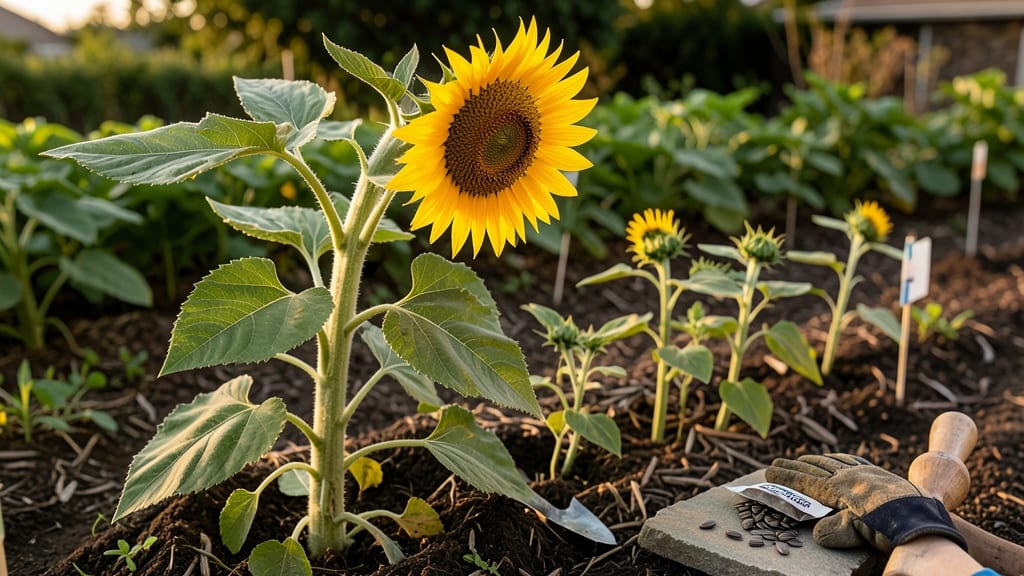
Planting sunflowers in Missouri after your last frost date — typically mid-April — sets the stage for towering blooms and a harvest of seeds by fall.
Missouri’s unpredictable frosts and humid summers can make sunflower planting a tricky balancing act—but timing it right guarantees zero-frost success and thriving plants. Whether you're in St. Louis or Kansas City, knowing your last frost date is the key to avoiding those heartbreaking early losses.
Sunflowers love warmth, so wait until soil temperatures hit at least 55°F before planting. That usually means mid-April to late June for most of the state, but regional microclimates can shift those deadlines by weeks.
In this guide, I’ll break down the exact planting windows for your zone, share frost-proofing tricks, and recommend the best sunflower varieties for Missouri’s heat and humidity. Let’s get those 🌻 growing!
Missouri sunflower planting deadlines by last frost date (Zone 5-6 guide)
Missouri’s last frost dates vary dramatically from northern to southern regions, creating a 3-week window for sunflower planting.
In St. Louis (Zone 6a), you’ve got until April 25 to plant, while Kansas City (Zone 5b) gardeners must rush by April 15. Columbia (Zone 6b) falls right in the middle with a May 1 cutoff.
These dates aren’t just arbitrary—they’re tied to soil temperatures that must reach 55°F for germination.
Sunflowers are frost-sensitive seedlings, but their mature plants handle light frosts beautifully once established. The key is planting after your last frost but before June 15—any later risks bolting (rapid flowering) from Missouri’s summer heat.
For transplants, wait until soil warms to 60°F and nighttime temps stay above 50°F consistently.
| Region | Last Frost Date | Optimal Planting Window | Soil Temp Threshold | Transplant Ready |
|---|---|---|---|---|
| St. Louis (Zone 6a) | April 25 | April 25 - June 15 | 55°F+ | May 15 (60°F+) |
| Kansas City (Zone 5b) | April 15 | April 15 - June 1 | 55°F+ | May 1 (60°F+) |
| Columbia (Zone 6b) | May 1 | May 1 - June 20 | 55°F+ | May 20 (60°F+) |
| Northern MO (Zone 5a) | April 5 | April 10 - May 20 | 55°F+ | May 5 (60°F+) |
Missouri’s microclimates create localized planting zones—even within 50 miles, frost dates can shift by 10 days. Use your local CoCoRaHS station or Missouri Climate Center data to pinpoint your exact last frost date.
For direct-sown seeds, plant 2 weeks before your last frost date if using black plastic mulch to warm the soil faster. This trick adds 7-10 days to your planting window.
If you’re transplanting sunflower starts, wait until nighttime temps stay above 50°F—this prevents cold shock that stunts growth. Harden off seedlings for 7-10 days before transplanting by exposing them to outdoor conditions gradually.
In St. Louis, this means waiting until May 15, while Kansas City gardeners should hold off until May 1.
Missouri’s humid summers can trick gardeners into thinking sunflowers need constant watering, but they’re actually drought-tolerant once established. The real risk comes from overwatering in June and July, which leads to powdery mildew.
Water deeply once a week at the soil base, avoiding leaf wetting. For container-grown sunflowers, use well-draining mix with perlite to prevent root rot.
For late-season planting, choose fast-maturing varieties like ‘Autumn Beauty’ (55 days) that can still produce blooms before first frost. Plant these July 1-15 for fall harvests in September-October.
Use row covers to extend the season by 2-3 weeks if frost threatens early. In Columbia, this means protecting plants until October 15—the
How to extend your Missouri sunflower season (frost-proofing tips)
Missouri’s short growing season and unpredictable frosts can cut your sunflower season short—but with the right strategies, you can push those bright blooms into late summer and even early fall.
Whether you want to start earlier or extend the harvest, these frost-proofing methods will keep your sunflowers thriving beyond the typical April-June window.
Sunflowers are hardy plants, but they need consistent warmth to grow strong stems and produce those iconic yellow faces. By using season-extending tools like cold frames, row covers, and smart planting techniques, you can safely plant 3-4 weeks earlier or even delay harvests by 2-3 weeks before frost hits.
🌱 Missouri Sunflower Frost-Proofing Checklist
- 1. Start Indoors: Sow seeds in biodegradable pots 4-6 weeks before last frost (early March) using a heat mat to maintain 70°F soil temps.
- 2. Use Cold Frames: Transplant seedlings into low cold frames 2-3 weeks before last frost date to warm soil faster and protect from light frosts (28-32°F).
- 3. Row Covers: Apply floating row covers after transplanting to raise soil temps by 5-8°F and shield from late spring frosts (common in Missouri’s Zone 5-6).
- 4. Succession Planting: Sow new seeds every 2 weeks from May through early July for continuous blooms until first frost (mid-October).
- 5. Heat-Tolerant Varieties: Choose early-maturing types like 'Autumn Beauty' (55 days) or 'Moulin Rouge' (60 days) to harvest before heat stress peaks in July-August.
- 6. Mulch Heavily: Apply 4-6 inches of straw mulch around stems to insulate roots and maintain even soil moisture during Missouri’s humid summers.
For early planting, focus on soil warming—sunflowers won’t germinate well in cold soil (below 55°F). Use black plastic mulch or clear plastic tunnels to raise soil temperatures 10-15°F faster than bare ground. This lets you plant 2-3 weeks earlier than the traditional mid-April deadline.
If you’re aiming for a later harvest, prioritize succession planting and shade cloth. Missouri’s humid summers can stress sunflowers, so provide 30% shade cloth during peak heat (July-August) to reduce wilting while still allowing 6+ hours of sunlight.
Don’t forget about dwarf varieties like 'Teddy Bear' or 'Moulin Rouge'—they mature 30-50 days faster than giant varieties, giving you earlier blooms and longer harvest windows. Pair them with row covers for extra frost protection in fall.
With these techniques, you can enjoy sunflowers from May through October—turning your Missouri garden into a year-round pollinator paradise. 🌻