
Flowers
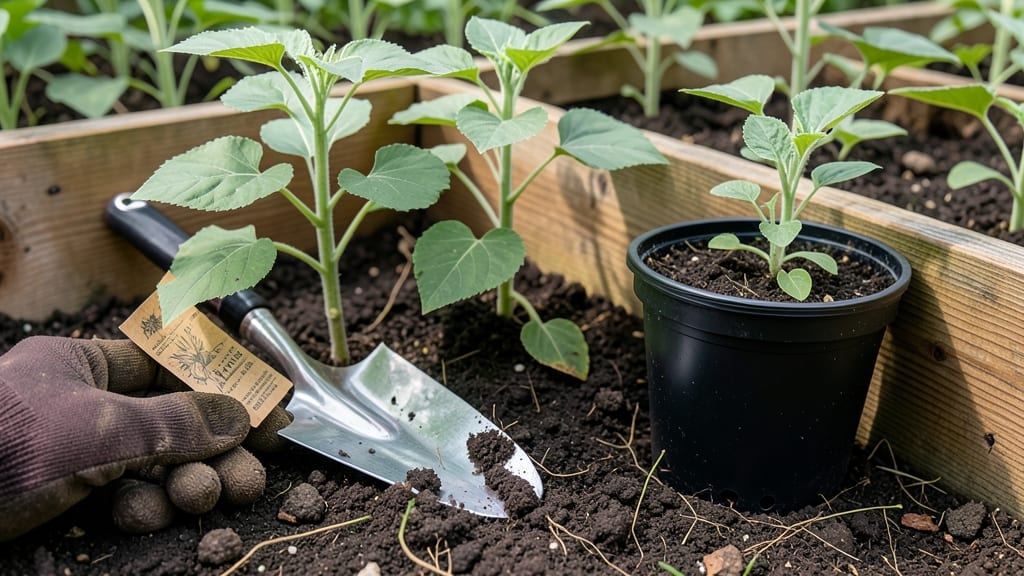
Planting sunflowers in Nebraska after the last frost — typically mid-April to early June — ensures your 🌻 blooms reach their full height before fall frost hits.
Nebraska’s unpredictable frost dates and diverse growing zones can turn sunflower planting into a guessing game—unless you know the exact timing to maximize your harvest. One week too early, and a late frost will stunt your seedlings; too late, and summer heat arrives before the seeds mature.
In zones 5a-6b, the key is waiting until soil temperatures hit at least 55°F and all frost risk has passed. This usually aligns with late April in western Nebraska and early May in the eastern plains, but checking your local frost date is the game-changer.
Below, I’ll break down the best planting windows by zone, how to adjust for Nebraska’s variable weather, and which sunflower varieties thrive in 60-90 days—so you get towering stems and plump seeds before the first frost.
Nebraska sunflower planting dates by growing zone (with frost-date adjustments)
Nebraska’s USDA growing zones 3a-6b create unique challenges for sunflower growers. The last average frost date varies dramatically—from April 15 in zone 3a to May 1 in zone 6b—while first fall frosts arrive between October 1-15.
Timing your sunflower planting correctly ensures your plants mature before Nebraska’s early fall frosts strike.
Sunflowers thrive with 60-120 days to maturity, but Nebraska’s short growing season demands strategic planting. In zones 3a-4a, focus on fast-maturing varieties (60-70 days) planted after May 1.
Meanwhile, zones 5b-6b can handle taller varieties (90+ days) when planted by June 1—but only if you account for soil warmth and fall frost risks.
Here’s your zone-by-zone planting schedule, adjusted for Nebraska’s unpredictable frost patterns and soil temperature thresholds of 55°F+ for germination.
In zone 3a, where frost lingers until April 15, planting sunflowers before May 15 risks cold soil and late frosts. Opt for dwarf varieties like 'Teddy Bear' (60 days) to ensure they mature before first fall frosts in early October.
Use black plastic mulch to warm soil faster if planting early.
Gardeners in zones 5b-6b enjoy longer seasons but must balance early planting with soil warmth. Plant 'Russian Giant' sunflowers by March 15 in zone 6b, but cover seeds with row fabric until soil reaches
How to adjust sunflower planting for Nebraska’s unpredictable weather patterns
Nebraska’s variable climate can challenge even the most experienced gardeners, but with the right adjustments, you can still grow stunning sunflowers. The key lies in extending your growing season and protecting young plants from late frosts or early heatwaves.
I’ve grown sunflowers in USDA zones 5a-6b for years, and these strategies have saved my harvests time and again.
Start by choosing cold-hardy varieties like 'Autumn Beauty' or 'Moulin Rouge', which tolerate cooler temperatures better than standard types. Pair them with season-extending tools to give your sunflowers the best shot at success, no matter what Mother Nature throws your way.
Here’s how I adjust my planting schedule and protect my sunflowers in Nebraska’s unpredictable conditions:
- 1 Use black plastic mulch to warm soil 5-10°F faster than bare earth. Lay it down 2 weeks before planting to create a cozy microclimate for seeds.
- 2 Plant in raised beds for warmer soil temperatures. They heat up 2-3 days earlier than in-ground plots, giving you a head start on the growing season.
- 3 Cover seedlings with row fabric until they reach 6 inches tall. This protects them from late spring frosts (common in Nebraska until mid-May) while still allowing sunlight.
- 4 Start seeds indoors in biodegradable pots 4-6 weeks before your last frost date. Transplant them outdoors after soil warms to 55°F to avoid stunted growth.
- 5 Choose fast-maturing varieties (like 'Teddy Bear' at 55 days) for shorter growing seasons. This ensures blooms before Nebraska’s first frost in October.
For late summer planting, I often sow a second crop in early July using heat-tolerant varieties like 'ProCut Hybrid'. These sunflowers thrive in Nebraska’s hot August temperatures and still produce seeds before frost. Just be sure to water deeply 2-3 times per week during heatwaves to prevent bolting.
If you’re in western Nebraska (zone 5a), where nights can still dip below freezing in May, consider using mini-greenhouses or cold frames. These create a 5-10°F warmer environment, giving your sunflowers an extra 2-3 weeks of growth before summer fully arrives.
Don’t forget to monitor your local weather and adjust planting dates accordingly. Nebraska’s frost dates shift yearly, so flexibility is key. With these strategies, you’ll turn Nebraska’s unpredictable weather into an advantage for a bountiful sunflower harvest! 🌻