
Plants
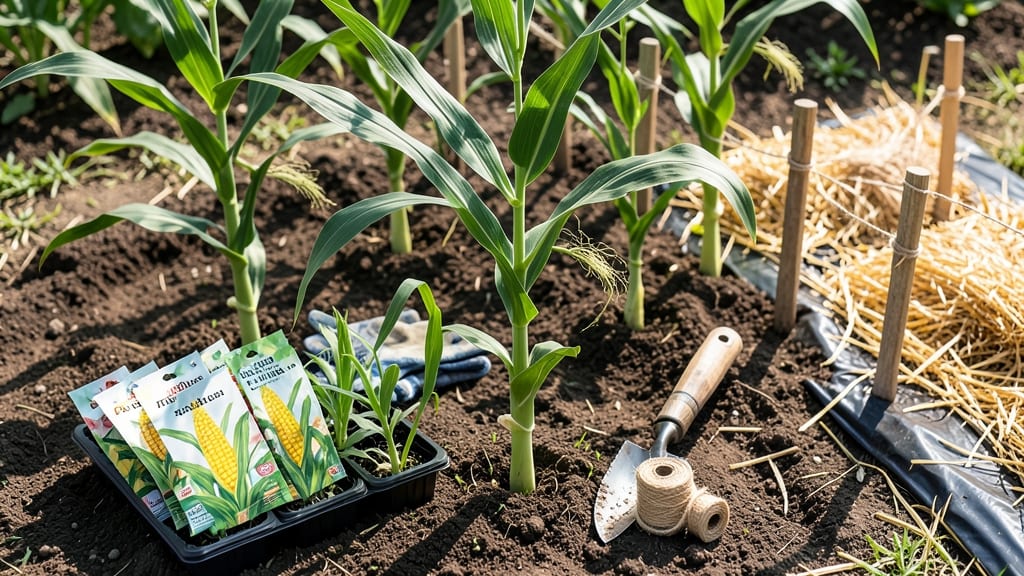
To plant sweet corn in North Carolina, aim for April 15 through June 15 — when soil warms to 60°F and the last frost has passed for good.
North Carolina’s warm springs and long summers make it a sweet corn gardener’s paradise—but planting too early or late can mean poor germination or missed harvests. Timing your 🌽 correctly in USDA Zones 7b-8a ensures tender, juicy ears every season.
If you’ve ever watched your seedlings wilt after a late frost or struggled to find ripe ears by summer’s end, you know how critical the right window is. The key is balancing soil temperature, frost dates, and variety maturity to stretch your harvest from July through September.
Below, I break down the exact planting dates by region, how to adjust for early vs. late varieties, and the simple prep steps that make all the difference in NC’s climate.
Sweet corn planting dates by NC USDA Zone 7b-8a (frost-free timeline)
North Carolina’s USDA Zones 7b-8a offer perfect conditions for growing sweet corn, but timing is everything. The last frost dates vary across regions like Raleigh, Charlotte, and Asheville, so I’ll break down the best windows for planting based on NC State Extension data.
Planting too early risks frost damage, while waiting too long may shorten your harvest window.
For Zone 7b (e.g., Asheville), the average last frost date is around April 15, while Zone 8a (e.g., Charlotte) typically sees its last frost by March 20. Raleigh, straddling both zones, usually falls between March 25 and April 5.
Always wait 2-3 weeks after the last frost to ensure soil is warm enough for germination.
| Region | Zone | Last Frost Date | Optimal Planting Window | Soil Temp Requirement | Harvest Window |
|---|---|---|---|---|---|
| Asheville | 7b | April 15 | April 25 - May 15 | 60°F+ | July 15 - August 30 |
| Raleigh | 7b-8a | March 25 - April 5 | April 10 - May 20 | 60°F+ | July 1 - August 25 |
| Charlotte | 8a | March 20 | March 30 - May 10 | 60°F+ | June 20 - August 20 |
| All Regions | 7b-8a | N/A | Soil temp 60°F+ | 60°F+ | Avoid frost risk |
Your soil temperature is the most critical factor for successful germination. Sweet corn seeds need soil that’s at least 60°F—cooler temps slow growth and can lead to uneven sprouting. Use a soil thermometer to check before planting.
In Zone 7b, soil may not warm up until late April, while Zone 8a can be ready as early as late March.
For early varieties (e.g., Silver Queen or Ambrosia), plant in early April to harvest by July. Mid-season varieties like Peaches and Cream can go in May for August harvests. Late varieties (e.g., Bodacious) may need a late-June planting to avoid fall frost.
Always stagger plantings every 2 weeks for continuous harvests.
If you’re in Asheville’s cooler microclimate, consider using black plastic mulch to warm soil faster. In Charlotte’s warmer climate, you can push the envelope with late-July plantings for fall harvests, but choose fast-maturing varieties (60-70 days) to avoid frost.
Always check your local NC State Extension office for updated frost data each year.
One common mistake is planting too close to the last frost date. Even a light frost can kill young plants, so I recommend waiting until the 2-week frost-free window is confirmed.
Use frost cloth for extra protection if you’re eager to start early. For succession planting, repeat plantings every 2 weeks until early June to extend your harvest season.
Sweet corn thrives in full sun and needs 6-8 hours of sunlight daily. Choose a sheltered
How to adjust planting for early vs late varieties (succession planting tips)
Staggering your sweet corn plantings is the secret to a continuous harvest in North Carolina’s long growing season. By mixing early, mid-season, and late-maturing varieties, you can enjoy fresh ears from July through September—or even longer if you’re strategic.
The key is understanding each variety’s days to maturity and spacing your plantings accordingly.
For example, a 60-day variety like ‘Silver Queen’ planted in mid-April will be ready by early June, while a 90-day variety like ‘Peaches and Cream’ planted in early June won’t peak until late August.
This timing ensures you’re not overwhelmed with harvests all at once or left with no corn when your family is craving it.
Here’s how to avoid cross-pollination with neighbors’ cornfields—a common issue in NC’s dense gardening communities. Plant different varieties at least 250 feet apart or use block planting (grouping the same variety together) to maintain kernel color and sweetness.
If your neighbor’s corn is pollinating yours, your ears may develop starchy, off-flavor kernels instead of the sweet, tender varieties you planted.
- Early Varieties (60-70 days): Plant mid-April to early May for harvests in June-July. Ideal for heat-sensitive varieties like ‘Ambrosia’. 🌱
- Mid-Season Varieties (75-85 days): Plant late May to early June for harvests in July-August. Perfect for versatile varieties like ‘Bodacious’. 🌿
- Late Varieties (90+ days): Plant early June for harvests in late August-September. Choose disease-resistant types like ‘Peaches and Cream’ for fall harvests. 🌾
- Succession Planting: Add small batches every 2 weeks from April 15 to June 1 to extend harvests. Use fast-maturing varieties for early plantings. ⏰
- Avoid Cross-Pollination: Plant same varieties in blocks or use physical barriers if neighbors have corn. Monitor silk appearance for signs of cross-pollination. 🪴
When selecting varieties, prioritize disease resistance for NC’s humid climate. Look for labels mentioning Southern corn leaf blight or corn earworm resistance.
Varieties like ‘Golden Bantam’ (great for containers) or ‘Country Gentleman’ (excellent for fresh eating) thrive in NC’s heat but require consistent moisture during pollination to prevent blind ears (ears that fail to develop kernels).
Pro tip: Keep a planting journal to track which varieties perform best in your microclimate. Note soil temperatures, rainfall patterns, and any unexpected pests like corn earworms.
For example, if you’re in Zone 7b like Raleigh, you might find that late June plantings outperform early ones due to cooler spring soils. Adjust your schedule yearly based on these observations.
Finally, don’t forget to rotate planting locations annually to prevent soil-borne diseases. Sweet corn is heavy-feeding, so replenish nutrients with compost or aged manure before each new planting. With this staggered approach, you’ll enjoy homegrown corn from summer through early fall—no grocery store trip required! 🌽