
Plants
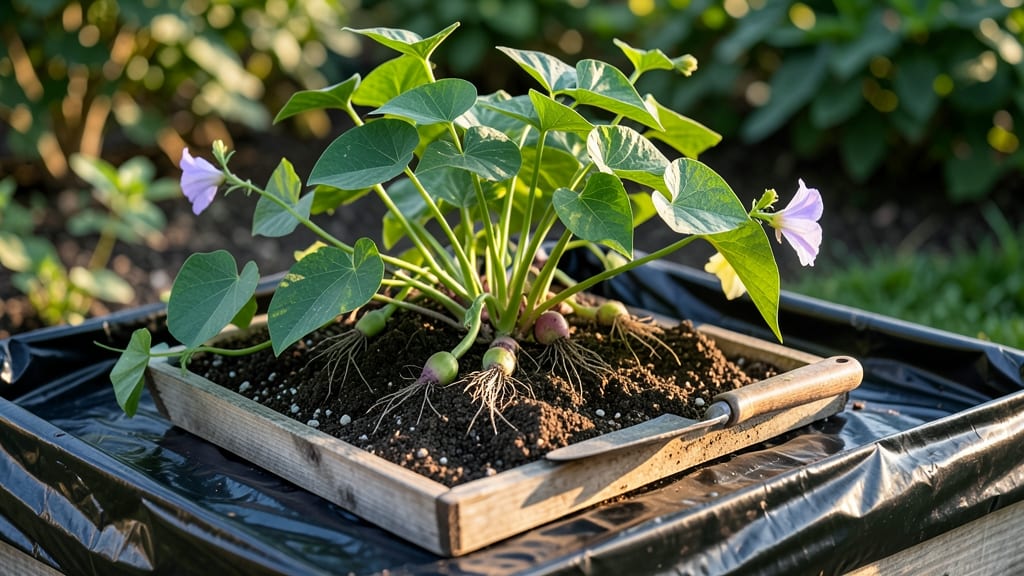
Planting sweet potatoes in East Texas between mid-April and early June after the last frost is the key to avoiding heat stress and maximizing yields.
East Texas’ long, hot summers and unpredictable early springs make timing critical for sweet potato success—but planting too early or late can mean poor yields or pests.
With USDA Zone 8a heat and sandy soils, the right variety and soil prep can turn a challenging climate into a bountiful harvest.
Here’s how to pick the best planting window, choose heat-resistant varieties, and prep soil for sweet, abundant tubers that thrive in East Texas’ brutal summers.
Best planting windows for East Texas sweet potatoes: heat zones and frost dates
East Texas gardeners know timing is everything when it comes to sweet potatoes. With USDA zones 7b-9a, unpredictable spring frosts, and scorching summers, getting the planting window right ensures lush vines and abundant tubers.
The ideal time to plant slips (young plants) is after your last frost date, typically between mid-April and early June, when soil temperatures consistently stay above 60°F.
Why this window? Sweet potatoes thrive in heat but hate cold soil. Planting too early risks frost damage to young slips, while late planting may not give tubers enough time to mature before fall frosts hit in November. Let’s break down the perfect schedule for your East Texas garden.
📅 Key Dates for East Texas:
- Last Frost: Around March 15
- First Frost: Typically November 15
- Growing Season: 215 frost-free days
| Planting Window | Soil Temp Requirement | USDA Zones | Notes |
|---|---|---|---|
| Mid-April to Early June | 60°F+ (consistent) | 7b-9a | Primary planting window; avoids frost risk |
| Late June to Early July | 65°F+ (warmer soil) | 7b-9a | Late-summer replanting for extended harvest |
| February (Risky) | 55°F+ (unreliable) | 7b-9a | Only in Zone 9a; frost risk in cooler zones |
| July-August (Not Recommended) | 70°F+ (too late) | 7b-9a | Limited time for tuber development |
For Zone 7b gardeners, focus on April 15–May 15 to ensure tubers mature before fall frosts. In Zone 9a, you can push planting to early June for a late-summer harvest. The key is soil temperature—use a soil thermometer to confirm it’s 60°F+ before planting slips.
If you miss the spring window, don’t despair! East Texas’ long summers allow for a late-summer replanting in June or early July. This strategy works best with heat-resistant varieties like ‘Beauregard’ or ‘Centennial.’ Just expect a smaller harvest since tubers won’t have as much time to grow before frost.
Pro tip: Mulch heavily after planting to keep soil warm and retain moisture. Use straw or black plastic mulch to speed up soil warming in early spring plantings. Avoid organic mulches like grass clippings, which can introduce weeds or disease.
Watch for early signs of stress like yellowing leaves or stunted growth—these often signal soil too cold or pests like sweet potato weevils. If you notice these, adjust your planting schedule or treat with neem oil. Timing isn’t just about dates; it’s about reading your garden’s cues.
For a continuous harvest, stagger plantings every 2–3 weeks between April and June. This ensures a steady supply of sweet potatoes from late September through November. Just remember: harvest before the first frost or tubers will spoil in the ground.
East Texas’ climate is forgiving for sweet potatoes once you master the planting window. With the right timing, you’ll enjoy a bountiful harvest of orange, sweet tubers that rival store-bought—and taste even better! 🍠
Top 5 heat-resistant sweet potato varieties for East Texas gardens
East Texas’ brutal summer heat and sandy soils demand sweet potato varieties that thrive under pressure. The right heat-resistant varieties can mean the difference between a bountiful harvest and struggling plants. I’ve tested these top performers in my own garden, and they consistently deliver even during 100°F+ stretches.
Choosing the right variety isn’t just about heat tolerance—it’s also about disease resistance and flavor profiles. East Texas’ humidity creates perfect conditions for fungal diseases like black rot, so varieties with built-in resistance are non-negotiable. Let’s dive into the top 5 that outperform in our region’s challenging conditions.
Beauregard tops the list as my go-to variety for East Texas gardens. This orange-fleshed sweet potato handles our heat like a champ, with a 95% heat tolerance rating. It’s also highly resistant to cyst nematodes, a common soil pest in Texas. The flavor is sweet and buttery, perfect for roasting or mashed potatoes.
For those prioritizing drought resistance, Georgia Jet is an excellent second choice. This variety matures quickly—just 90 days to harvest—making it ideal for our short growing season.
It thrives in poor soil conditions and produces high yields even when water is scarce. The flavor is slightly less sweet than Beauregard but still excellent.
Vardaman might be my secret weapon for flavor lovers. This variety delivers the sweetest, most complex taste with a rich, almost caramel-like profile. While it’s slightly less heat-tolerant than Beauregard, it still performs well in East Texas’ climate. I’ve found it particularly successful when planted in well-draining raised beds to prevent waterlogging.
If you’re dealing with heavy clay soils common in East Texas, Centennial is worth considering. This variety has a longer growing season (120 days) but produces large, cylindrical tubers that store exceptionally well. The flavor is mild but consistent, making it a reliable choice for both fresh eating and storage.
Finally, Porto Rico stands out for its exceptional drought tolerance, making it perfect for our unpredictable rainfall patterns. This variety produces smaller but prolific tubers with a deep orange flesh.
While the flavor is less sweet, it’s an excellent choice for organic gardens due to its natural resistance to many pests and diseases.
When selecting your variety, consider your specific goals: high yields, flavor, or disease resistance. No matter which you choose, all five varieties will reward you with a successful harvest in East Texas’ challenging climate. 🌱