
Plants
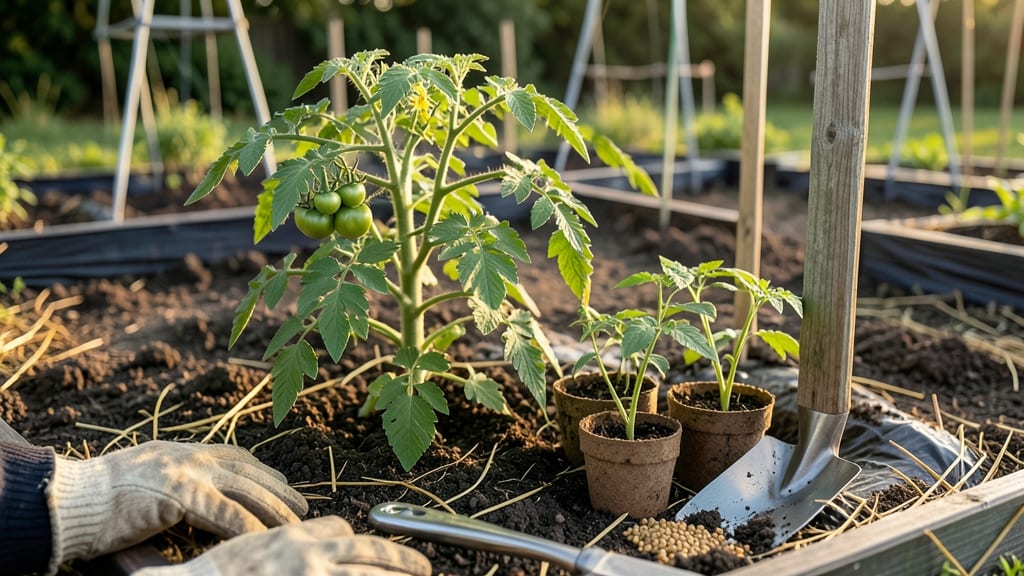
To plant tomatoes in New York, start seeds indoors by early March for a summer harvest, then transplant after the last frost—typically mid-April in NYC but later in upstate zones.
Timing your tomato planting in New York can mean the difference between a bumper crop and a sad, wilted failure—especially with the state's unpredictable spring frosts and diverse growing zones.
If you rush it, a late frost will kill tender seedlings. Wait too long, and the season shrinks faster than you can say "🍅." The key is knowing your zone, soil temps, and the right varieties for your area.
Below, I break down the exact planting windows by zone, how to stretch your season with row covers, and which tomatoes thrive in New York’s short but sweet summer.
New York’s frost-free dates by Zone: when to start tomatoes indoors vs outdoors
New York’s diverse climate—spanning USDA Zones 3 through 9—means your tomato planting schedule depends heavily on where you garden.
In Zone 3 (northern NY), you’ll need to start seeds indoors 8-10 weeks before last frost (around March 15), while in Zone 9 (Long Island), you can direct-sow as early as March 1.
The key is balancing soil warmth (minimum 60°F) with frost risk, which varies wildly even within the same county. My Upstate NY garden in Zone 5b taught me that rushing seedlings outdoors too early can be disastrous—just ask my frost-bitten cherry tomatoes from 2022!
For indoor starts, I swear by a grow light or sunny south-facing window to prevent leggy seedlings. Begin 6-8 weeks before transplanting, which aligns with your zone’s last frost date.
In Zone 7a (NYC metro), that’s typically April 15, but I always check the National Weather Service for late-season frost alerts. Pro tip: Use biodegradable pots to avoid root shock when transplanting—my heirloom Brandywines thank me every summer for this small step.
Outdoor planting dates shift dramatically across New York. In Zone 3 or 4, wait until after May 15 to set out seedlings, while Zone 8 or 9 gardeners can plant as early as March 20.
The soil thermometer is your best friend here—60°F+ is non-negotiable for tomato roots. I once planted Early Girl tomatoes in Zone 6 on May 1 because the soil felt warm, only to watch them wilt during a 28°F night two weeks later.
Lesson learned: Wait for consistency, not just a warm day or two.
Late spring frosts are New York’s cruelest gardening joke, and they don’t care about your planting calendar. Even in Zone 7b, I’ve seen 32°F temps in late May. That’s why I now use frost cloth for the first 2 weeks after transplanting, especially for determinate varieties that set fruit quickly. For indeterminate tomatoes (like Sungold), I extend the season by planting a second crop in late July—these babies produce until first frost in October.
🌱 New York Tomato Planting Schedule by Zone
| Zone | Last Frost Date | Start Seeds Indoors | Transplant Outdoors | Direct Sow Outdoors | Fall Planting Window | ||||||||||||||||||||||||||||||||||
|---|---|---|---|---|---|---|---|---|---|---|---|---|---|---|---|---|---|---|---|---|---|---|---|---|---|---|---|---|---|---|---|---|---|---|---|---|---|---|---|
| 3 (Northern NY) | May 15 | March 15 (8-10 wks before) | May 20-30 | June 1 (after soil 60°F) | July 15-Aug 1 | ||||||||||||||||||||||||||||||||||
| 4 (Adirondacks, Catskills) | May 1 | March 1 (8 wks before) | May 10-20 | May 20 (soil 60°F) | July 1-Aug 15 | ||||||||||||||||||||||||||||||||||
| 5 (Syracuse, Binghamton) | April 25 | March 1 (7-8 wks before) | April 25-May 10 | May 1 (soil 60°F) | July 10-Aug 10 | ||||||||||||||||||||||||||||||||||
| 6 (Albany, Hudson Valley) | April 15 | February 25 (6-7 wks before) | April 15-May 1 |
Best tomato varieties for New York’s climate: early, mid, and late-season picksNew York’s short growing season and variable weather demand smart tomato variety choices. Whether you're in Upstate New York or Long Island, selecting the right types ensures a reliable harvest despite late frosts or early heat. My top picks balance disease resistance, maturity timing, and adaptability to container gardening—perfect for urban gardeners or those with limited space. For early-season success, prioritize disease-resistant hybrids that mature in 55-65 days. These varieties thrive when planted after last frost (typically mid-May) and produce before summer heat arrives. Mid-season varieties (65-75 days) offer the best balance for New York’s climate, while late-season types (75+ days) extend harvests into fall—critical for Zone 5-6 regions where frost hits early. Hybrids like 'Mountain Merit' and 'Defiant PhR' dominate my disease-resistant list, but heirlooms such as 'Brandywine' or 'Cherokee Purple' reward patient gardeners with flavor if given ideal conditions. Heat-tolerant varieties like 'Solar Fire' or 'Heatmaster' shine in Zone 7-9 areas, where summer temps can exceed 90°F. Meanwhile, container-friendly options like 'Tiny Tim' or 'Patio Princess' prove that balcony gardens can yield tomatoes too.
If you’re starting seeds indoors, my rule is to plant early varieties 6-8 weeks before last frost (around March 15 for most of New York). For direct sowing outdoors, wait until soil temps hit 60°F—usually late May to early June. Succession planting every 2 weeks after that ensures a continuous harvest through fall. Urban gardeners should opt for determinate types like 'Patio' or 'Balcony Red' to maximize container yields. For disease-prone areas, I swear by resistant hybrids like 'Celebrity' or 'Better Boy'. These handle humid summers better than heirlooms, which often succumb to blight or powdery mildew. Mulching with straw and pruning for airflow can also boost resilience. In cooler zones (5-6), pair late-season varieties with row covers to extend harvests by 2-3 weeks. My top 3 picks for New York gardeners? Mountain Merit for early wins, Solar Fire for summer heat, and Brandywine for fall flavor— |