
Plants
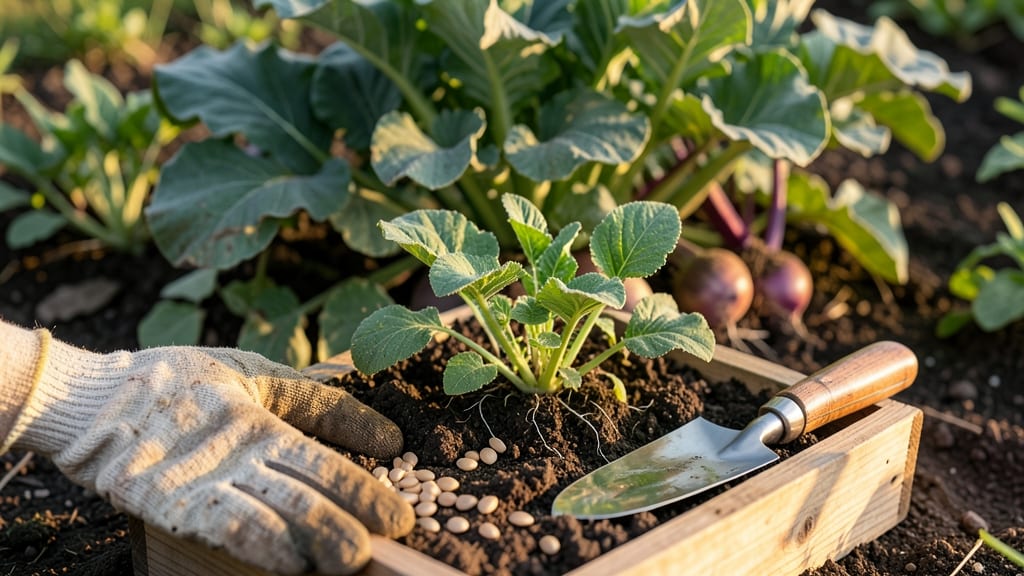
Plant turnips in Texas between September and October for a fall harvest or February and March for spring, timing that avoids the brutal summer heat and bolting.
Texas gardeners know timing is everything—plant turnips too early, and they bolt before you taste them; too late, and your harvest shrinks. But with the right frost-date strategy, you can grow sweet, crisp 🥬 all season long.
Fall turnips thrive when soil temperatures stay below 75°F, while spring plantings need to beat the heat by 6 weeks before the last frost. The key is working with Texas’s variable frost dates—North Texas waits until mid-September, while South Texas can start as early as August.
Below, I’ll break down the best varieties for your zone, how to prep soil for germination, and the one mulching trick that keeps turnips cool and bolting-free—no matter where you garden in the Lone Star State.
Texas turnip planting calendar: frost dates by region
Turnips thrive in Texas when planted during cool seasons, but timing varies drastically between North, Central, and South Texas. The key is planting 4-6 weeks before the first frost to avoid bolting—when turnips rush to flower instead of forming sweet roots.
In USDA Zones 8a-10a, frost dates shift from mid-November in North Texas to late December in South Texas, making regional planning essential.
For fall harvests, aim to plant turnips between late August and October. This window ensures roots mature before winter chills set in. In South Texas (Zone 10a), where frost is rare, focus on spring planting (February-March) instead.
Meanwhile, North Texas (Zone 8a) gardeners should prioritize early September plantings to beat the first frost.
Here’s how to align your planting with Texas’s frost zones and avoid the dreaded heat-induced bolting:
In North Texas, where frost arrives earliest, I recommend starting seeds indoors in late July and transplanting outdoors by mid-August. This head start helps turnips establish roots before September heat triggers bolting.
For Central Texas, direct sow seeds in early September and use mulch to keep soil temperatures stable.
If you’re in South Texas, skip fall planting entirely—turnips hate summer heat. Instead, focus on spring plantings (February-March) when temperatures dip below 85°F. Use drip irrigation to keep roots cool and avoid stress.
Pro tip: Plant turnips alongside heat-loving crops like okra or sweet potatoes to maximize garden space.
Remember, soil temperature matters just as much as air temperature. Turnip seeds need soil at 45-85°F to germinate. In Texas’s summer heat, soil can exceed 100°F, which halts germination. Test soil temps with a soil thermometer before planting—if it’s above 85°F, wait or use shade cloth.
For a continuous harvest, try succession planting every 2 weeks from September through October in North/Central Texas. This ensures a steady supply of turnips before winter sets in. In South Texas, stagger plantings in February and March for a spring harvest.
One common mistake Texas gardeners make is planting turnips too late in fall. If you miss the October window, roots won’t mature before frost, leaving you with small, tough turnips.
Always check your local frost date averages—the Texas A&M AgriLife Extension provides free frost maps for precise planning.
Finally, don’t overlook turnip greens! They’re edible and add nitrogen to the soil. If roots become too woody, harvest the greens first—they’re packed with flavor and nutrients. With the right timing, you’ll enjoy crisp, sweet turnips from fall to spring.
How to avoid bolting: heat-tolerant varieties and succession planting
Texas heat turns many turnip varieties into bitter, bolted messes—but not these heat-tolerant champions. The key is choosing slow-bolting varieties like 'Tokyo Cross' and 'Purple Top White Globe', which handle 90°F+ days better than standard types.
These varieties stay sweet and crisp even when other turnips rush to flower.
Succession planting is your secret weapon against bolting. Instead of one big fall planting, stagger seeds every 2 weeks from September to November. This ensures a steady harvest before cold snaps hit.
For spring, plant again in February and March—just avoid planting after April 1 when daytime temps climb.
Comparison of Texas-Friendly Turnip Varieties
| Variety | Heat Tolerance | Days to Maturity | Best for Texas |
|---|---|---|---|
| Tokyo Cross | Excellent (90°F+) | 30-40 days | Fall & spring harvests |
| Purple Top White Globe | Good (85°F+) | 40-50 days | Root & greens |
| Shogoin | Very High (95°F+) | 35-45 days | Late summer/fall |
Spacing is critical in Texas’s heat. Plant seeds 1 inch deep and 1 inch apart in rows 12-18 inches apart. Thin seedlings to 3-4 inches apart once they’re 2 inches tall—this prevents overcrowding, which stresses plants and speeds up bolting.
Use shade cloth (30-50%) if planting in late spring to buy extra time.
For succession planting, mark your garden with stakes or flags every 2 weeks to track planting dates. Aim for 3-4 plantings in fall and 2 plantings in spring. This spreads out your harvest and avoids the bolt rush that hits all plants at once when temps dip.
Mulch heavily with straw or grass clippings to keep soil temps cool and moisture consistent. A 2-inch mulch layer can drop soil temps by 5-10°F, giving your turnips a fighting chance against Texas’s October heat spikes.
Water deeply in the morning to avoid evening moisture, which fuels fungal diseases.
With these heat-tolerant varieties and succession strategies, you’ll enjoy crisp turnips from October through December and again in April. No more bolted disappointment—just sweet, homegrown harvests all season long. 🥬